
Lawn
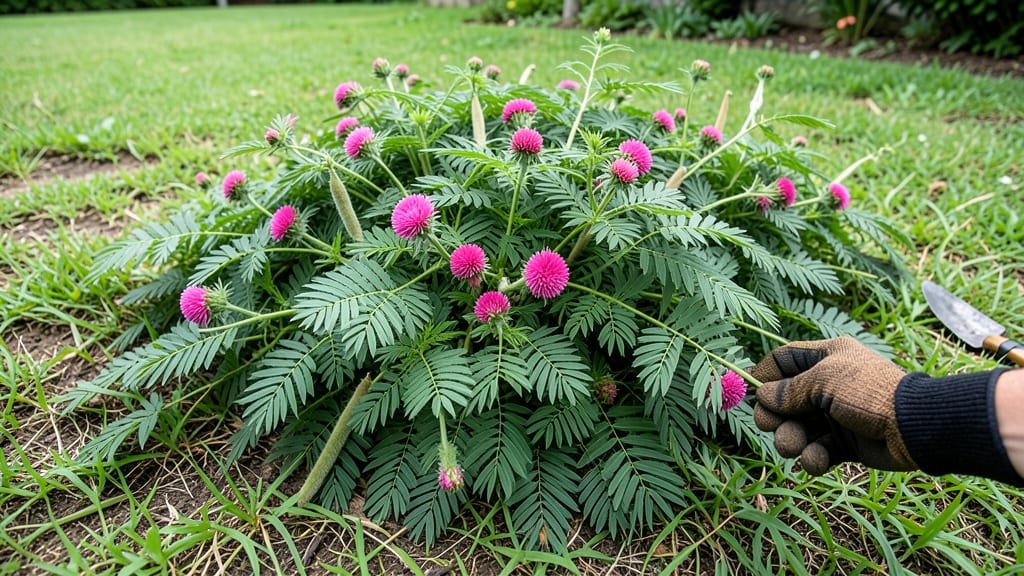
Mimosa weed in your lawn isn't just unsightly—it's a tenacious invader that chokes out grass and spreads fast. 🌱 I've battled this stubborn weed, and the good news is you can reclaim your yard without harsh chemicals.
The key is a 3-step organic approach that targets the roots while protecting your grass. This weed thrives in compacted soil and dry conditions, which is why it takes over lawns that aren't properly maintained.
The fuzzy, yellow flowers and feathery seed pods are dead giveaways—once you spot them, act fast. Manual removal works best in small patches, but larger infestations need a smarter strategy to prevent regrowth.
By the end, your lawn will be weed-free and lush again, with a few simple tools and techniques. The secret lies in timing, persistence, and knowing exactly where to strike. Let’s get started with the organic solution that actually works.
First, you’ll need to identify the weed correctly—mimosa has those signature fuzzy seed pods and thin stems that break easily. Grab a pair of gloves and a sharp shovel, then dig out the roots in dry conditions (when the soil is easier to work with).
Pulling too early can leave fragments behind, leading to more weeds. Next, smother the area with thick cardboard or black plastic for 4-6 weeks to starve out any remaining roots. This step is critical—it breaks the weed’s life cycle before it spreads further.
For stubborn spots, a vinegar-based spray (3% acetic acid) applied on a dry day can help, but test a small area first. Finally, prevent future invasions by aerating your lawn, overseeding with tough grass varieties, and keeping the soil moist.
Mimosa weed hates competition, so a healthy lawn is your best defense. With these steps, you’ll see results in just a few weeks.
Root Causes Of Lawn Invaders
Mimosa weed (also called Mimosa pigra or Mimosa diplotricha) doesn’t just pop up in your lawn by accident—it thrives due to specific conditions that make your yard an ideal breeding ground.
Understanding these triggers is the first step to stopping its spread. Here’s why this pesky invader keeps coming back.
Mimosa weed flourishes where grass struggles. If your lawn has compacted, nutrient-poor, or clay-heavy soil, your grass roots weaken, leaving gaps for weeds to exploit. Here’s how it happens:
- Low organic matter: Healthy soil needs a balance of humus (decomposed plant material) to retain moisture and nutrients. Mimosa weed thrives in soil with <1% organic matter, where grass can’t compete.
- High clay content: Clay soil drains poorly, leading to waterlogged roots in winter and drought stress in summer. Mimosa’s deep taproot (up to 10 feet!) lets it access water and nutrients that grass can’t reach.
- pH imbalances: Mimosa prefers slightly acidic to neutral soil (pH 6.0–7.0). If your lawn’s pH is too high (>7.5) or too low (<5.5), grass suffers while weeds like mimosa adapt.
💡 Pro Tip: Test your soil’s pH and organic matter with a home kit (or send a sample to a local extension office). Amending with compost or peat moss can restore balance—just avoid overdoing it, as mimosa also dislikes overly rich soil.
Mimosa weed spreads aggressively in disrupted soil. Common lawn disturbances that create perfect entry points:
| Cause | How It Helps Mimosa |
|---|---|
| Heavy foot traffic or pet urine | Compacts soil, crushing grass roots and creating bare spots where mimosa seeds germinate. |
| Thatch buildup (>0.5 inches) | Thatch blocks water and nutrients, suffocating grass while mimosa’s seeds sprout in the loose layer above. |
| Poor mowing habits (cutting too short or unevenly) | Weakens grass, exposing soil to sunlight—mimosa seeds need light to germinate (a process called photoblastic germination). |
| Construction or aeration without proper seeding | Turns soil into a seedbed; mimosa’s lightweight seeds (carried by wind/water) lodge in disturbed areas. |
✨ Key Insight: Mimosa’s seeds can lie dormant for years until soil is disturbed. Even a single seedling left unchecked can produce 50,000+ seeds per year.
Mimosa weed is drought-tolerant but grows explosively when overwatered. Here’s how your watering habits might be helping it:
- Frequent light watering: Mimosa thrives with shallow, frequent moisture (like sprinklers running 2x/day). This mimics its native floodplain habitats.
- Poor drainage: If your lawn has low spots where water pools, mimosa’s roots spread faster in saturated soil.
- Irrigation during germination season: Mimosa seeds germinate best in spring (March–May) and fall (September–November). Overwatering during these windows accelerates sprouting.
🌡️ Science Note: Mimosa’s deep roots extract water from deep soil layers, while shallow grass roots dry out. This creates a competitive advantage in drought-prone areas.
💡 Fix It: Switch to deep, infrequent watering (1–1.5 inches per week) to encourage grass roots to grow deeper—outcompeting mimosa.
In its native habitats (e.g., Australia, Southeast Asia), mimosa faces natural predators like insects, fungi, and herbivores that keep it in check. But in U.S. lawns:
- No biological controls: Mimosa has no native enemies in North America, so it spreads unchecked.
- Pesticide resistance: Mimosa’s thick cuticle and deep roots make it resistant to many herbicides (e.g., glyphosate is ineffective on mature plants).
- Monoculture grass lawns: Uniform grass landscapes provide no biodiversity to attract weed-eating insects or microbes.
🔥 Organic Workaround: Encourage native pollinators (like ladybugs and lacewings) by planting clover or wildflower borders. Some predatory insects may eventually target mimosa, but this is a long-term strategy.
How to Eradicate Mimosa Weed Naturally
Mimosa weed (also called Mimosa pigra or Sensitive Plant) can turn your lush lawn into a battleground, but with the right organic approach, you can reclaim your yard without harsh chemicals.
Below are targeted solutions based on the root causes of infestation—from overgrowth to poor soil health—plus prevention tips to keep it from returning.
If mimosa weed thrives because your lawn is sparse, competitive grass is your first line of defense.
- 🍳 Overseed Bare Spots
- Rake out weeds and loosen soil (1–2 inches deep).
- Spread high-quality grass seed (like tall fescue or Bermuda) and cover lightly with compost.
- Water deeply twice daily for 2 weeks to help seeds germinate.
- 👨🍳 Boost Soil Health
- Test your soil (pH 6.0–7.0 is ideal for most grasses).
- Apply organic fertilizer (like compost or fish emulsion) to strengthen grass roots.
- ⏰ Mow High & Often
- Keep grass 3–4 inches tall to shade out weeds.
- Mow weekly in growing season to prevent seed production.
💡 Pro Tip: If your lawn is struggling, consider sod patches for quick coverage in high-traffic or bare areas.
Mimosa weed loves poor, nutrient-deficient soil. Improve drainage and fertility to starve it out.
- 🔪 Aerate & Till (Spring/Fall)
- Rent a core aerator to break up compacted soil (1–2 times/year).
- Mix in 2–3 inches of compost or aged manure to improve structure.
- 🌡️ Mulch to Suppress Weeds
- Apply 3–4 inches of wood chips or straw around lawn edges to block sunlight.
- Replenish mulch every 3–6 months.
- 🎯 Water Deeply, Less Often
- Mimosa weed hates drought stress. Water deeply 2–3 times/week (early morning) to encourage deep grass roots.
✨ Prevention Hack: Spread corn gluten meal (a natural pre-emergent) in early spring to prevent weed seeds from sprouting.
For existing mimosa patches, combine physical removal with natural herbicides.
- 🔪 Pull by Hand (Best in Wet Soil)
- Wait for rainy days—weeds pull easier when soil is moist.
- Grasp the base of the plant (including roots) and tug firmly. Use gloves (mimosa leaves cause skin irritation!).
- Bag or compost weeds (never leave roots behind—they regrow!).
- 🥘 Vinegar & Soap Spray (Spot Treatment)
- Mix:
- 1 gallon white vinegar (20% acetic acid)
- 1 oz dish soap (as a surfactant)
- Optional: 1 cup salt (for tough patches)
- Spray directly on leaves (avoid desirable plants—vinegar kills everything).
- Reapply every 3–5 days until weeds die (usually 1–2 weeks).
- Mix:
- 🍎 Boiling Water (For Small Patches)
- Pour boiling water directly on weed stems (works best in warm, sunny conditions).
- Repeat 2–3 times over a week.
💡 Pro Tip: For large areas, use a hula hoe to chop weeds at the base before they seed.
Stop mimosa weed from creeping back with these maintenance habits:
| Problem | Solution | When to Do It |
|---|---|---|
| Weed seeds in soil | Apply corn gluten meal (spring) | Early March–April |
| Poor grass competition | Overseed + fertilizer (fall) | Late August–September |
| Compacted soil | Aerate + top-dress with compost | Early fall or spring |
| Lawn edges bare | Mulch with wood chips | Spring & fall |
✨ Bonus: Plant clover or creeping thyme in sunny, dry spots—these ground covers outcompete weeds naturally.
By tackling thin lawns, poor soil, and existing weeds with these organic methods, you’ll eliminate mimosa weed for good—without chemicals. Stay consistent, and your lawn will bounce back healthier than ever!
Frequently asked questions
How can I tell if the fuzzy yellow-flowered weed in my lawn is actually mimosa?
Look for these key identifiers: feathery seed pods (like tiny dandelion puffs), thin, brittle stems that break easily, and compound leaves with 10-20 leaflets that fold when touched. Mimosa's flowers are bright yellow and pom-pom shaped, appearing in clusters. If your weed matches these traits, it's likely mimosa—especially if it's spreading rapidly in dry, compacted soil.
Will pulling mimosa weed by hand actually work, or will it just grow back?
Pulling works best when you remove the entire root system—including the deep taproot. For small patches, wait for a rainy day when soil is moist, then grasp the base and tug firmly. Wear gloves (mimosa leaves can irritate skin) and dispose of weeds in the trash (not compost). For larger infestations, combine pulling with smothering (cardboard/plastic) or vinegar spray to prevent regrowth.
Is vinegar safe to use on mimosa weed if I have pets or kids?
White vinegar (20% acetic acid) is non-toxic to pets and kids once dry, but it kills everything it touches—grass included. Use it only as a spot treatment on mimosa, avoiding desirable plants. Mix 1 gallon vinegar + 1 oz dish soap, apply on a sunny day, and reapply every 3-5 days until weeds die. Always test a small area first.
How long does it take to completely eliminate mimosa weed from a lawn?
With consistent organic methods, you'll see visible improvement in 4-6 weeks, but full eradication can take 3-6 months. The key is persistence: combine manual removal, smothering (cardboard/plastic), and soil improvement (aeration/compost). Mimosa's deep roots and seed dormancy make it a marathon, not a sprint—stay patient and keep monitoring for new sprouts.
Can I still use my lawn after treating mimosa weed with vinegar?
Yes, but wait 24-48 hours after vinegar application to let it dry completely. Avoid watering treated areas for 12 hours afterward. Once the mimosa is dead (usually 1-2 weeks), you can safely mow and use the lawn. For pet safety, choose vinegar-free methods like smothering or manual removal if you're concerned about residue.