
Lawn
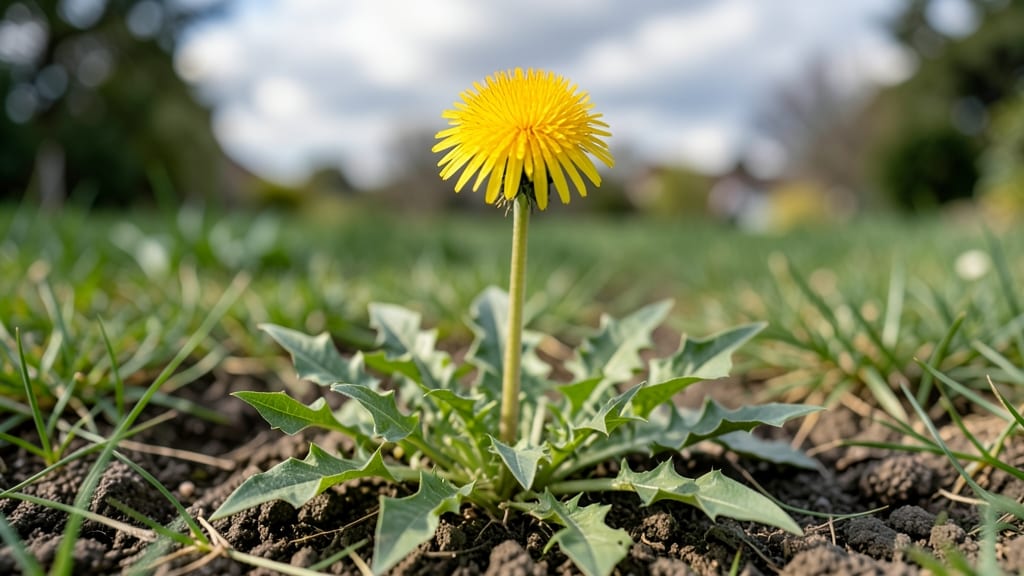
That lawn weed with small yellow flowers popping up everywhere? Dandelions might look charming, but they steal nutrients from your grass and leave bare spots. ✨ I’ve spent years battling them—and finally cracked the code with methods that actually work, from natural to targeted solutions.
The real problem isn’t just the flowers—it’s the deep taproot that regrows if you only cut the top. Most people pull them by the stem, but that leaves fragments behind.
The secret? A combination of pre-emergent treatments in early spring, spot-treating with vinegar or corn gluten, and manual removal when the soil is soft after rain.
By late summer, your lawn will look thicker and greener without a single yellow invader in sight. The key is consistency—treat them young, before they go to seed, and you’ll save yourself hours of weeding later.
Plus, your grass will thank you for the extra nutrients you’re not wasting on weeds.
Works for any lawn type, from sunny backyards to shady patches. Let’s reclaim that green space—without the yellow sneaks! Here’s how to make it happen.
Root Causes of Yellow-Blooming Lawn Invaders
Those cheerful little yellow-flowered weeds popping up in your lawn aren’t just an eyesore—they’re often a sign your turf is sending out an S.O.S. Understanding why they thrive helps you tackle the problem at its source. Let’s break down the science behind their persistence.
Weeds like dandelions and chickweed (common culprits with tiny yellow blooms) love nutrient-poor, compacted, or overly acidic soil. Here’s why:
- Lack of competition: When your grass struggles due to thin soil, weeds seize the opportunity. They germinate easily in bare spots where grass roots can’t compete.
- Compacted soil blocks grass roots: Heavy foot traffic, machinery, or clay-heavy soil compresses the top layer, starving grass of oxygen and water. Weeds, with shallow roots, thrive where grass can’t.
- pH imbalances: Soil that’s too acidic (pH below 6.0) or alkaline (pH above 7.5) locks out essential nutrients like nitrogen and phosphorus. Weeds adapt better to these conditions than most grasses.
Actionable fix: Test your soil (DIY kits cost ~$10) and amend with compost or lime (for acidity) to restore balance. Aerate compacted lawns in fall to loosen the soil.
Yellow-flowered weeds often signal watering habits that favor them over grass. Here’s the science:
- Shallow watering encourages weeds: Light, frequent watering (like daily sprinklers) keeps the topsoil moist—perfect for weed seeds to germinate. Grass roots, however, need deep watering to establish strong systems.
- Drought stress weakens grass: Prolonged dry spells stress turf, creating gaps where weeds like henbit (with tiny yellow flowers) take hold. These weeds germinate in spring and fall, when soil moisture is inconsistent.
- Overwatering = weed paradise: Excess moisture creates anaerobic (oxygen-poor) conditions, suffocating grass roots while weeds like creeping Charlie (with yellowish flowers) spread via runners.
Actionable fix: Water deeply 1–1.5 inches per week, early in the morning to reduce evaporation. Use a rain gauge or tuna can to measure—most sprinklers overestimate!
Aggressive or improper mowing turns your lawn into a weed magnet. Here’s how:
- Cutting too short (scalping): Grass blades shorter than 1/3 of their height stress the plant, reducing its ability to shade out weeds. Weeds like clover (with tiny yellow flowers) thrive in sunlight.
- Uneven mowing creates weak spots: Dull mower blades tear grass instead of cleanly cutting it, leaving jagged edges that invite disease and weeds.
- Infrequent mowing allows seed heads to form: Weeds like dandelions drop thousands of seeds when mature. Mowing before they flower (when they’re 6–8 inches tall) prevents seed spread.
Actionable fix: Mow at the highest recommended height for your grass type (e.g., 3–4 inches for Kentucky bluegrass). Sharpen blades regularly and never remove more than 1/3 of the blade height in one session.
Weeds often move in when your lawn is nutrient-deficient. The connection:
- Nitrogen deficiency = weak grass, weed takeover: Grass needs nitrogen for lush growth. Without it, weeds like crabgrass (with yellow-green flowers) dominate.
- Phosphorus/potassium imbalances: Too little phosphorus weakens root systems, while excess potassium can make grass susceptible to disease—both scenarios invite weeds.
- Slow-release vs. quick-release: Quick-release fertilizers can burn grass, creating bare patches where weeds germinate. Slow-release is safer for long-term health.
Actionable fix: Apply a balanced fertilizer (10-10-10 or 20-5-10) in early spring and fall. Test soil first to avoid over- or under-applying nutrients.
Grubs, fungus, or insects can kill grass in patches, leaving perfect real estate for yellow-flowered weeds. Examples:
- Grubs (larvae of beetles): They chew grass roots, causing brown patches. Weeds like chickweed fill these gaps quickly.
- Fungal diseases (e.g., brown patch): These create circular dead zones where weeds like dandelions sprout.
- Chinch bugs or armyworms: These pests devour grass blades, leaving bare soil for weed seeds to colonize.
Actionable fix: Inspect your lawn for pests (look for birds pecking at turf = grubs!) or fungal signs (mushrooms, slimy patches). Treat with beneficial nematodes or fungicides as needed.
Eliminate & Prevent Yellow Flower Invaders
Now that you know why those pesky weeds with tiny yellow blooms (likely dandelions or clover) are taking over, it’s time to reclaim your lawn! The good news?
With the right approach, you can banish them for good. Below are targeted solutions based on the root causes—plus prevention tips to keep your grass lush and weed-free.
Best for: Small patches, early infestations, or organic lawn care.
How to do it: 👨🍳 Pull at the right time – Remove weeds before they seed (late spring to early summer). Use a weed puller or dig out the entire root with a trowel. 🔪 Cut deeper than you think – Dandelions have deep taproots (up to 12 inches!). A dandelion digger or weeding knife makes this easier. ⏰ Timing matters – Pull after rain when soil is soft, or water the area first to loosen roots.
Pro tip: 🌡️ Boiling water trick – Pour boiling water directly on the roots (works well for stubborn dandelions in cracks).
Best for: Large infestations or when manual removal isn’t enough.
How to do it: 📊 Choose the right herbicide –
- Selective herbicides (like 2,4-D) target broadleaf weeds (dandelions, clover) while sparing grass.
- Non-selective herbicides (glyphosate) kill everything—use only if overseeding or replacing the lawn.
🍃 Apply correctly –
- Read labels carefully (some require mixing with water).
- Apply on a calm, dry day (avoid wind to prevent drift).
- Reapply if rain occurs within 24 hours.
Pro tip: ✨ Spot-treat first – Test a small area before full application to check for grass damage.
Best for: Long-term lawn health and eco-friendly solutions.
How to do it: 💪 Strengthen your grass –
- Mow high (3–4 inches) to shade out weeds.
- Aerate & overseed in fall to fill bare spots.
- Fertilize properly (use a weed-and-feed product with pre-emergent in early spring).
🌿 Smother weeds naturally –
- Corn gluten meal (applied in early spring) prevents weed seeds from germinating.
- Cardboard or thick mulch over bare patches (removes light, suffocating weeds).
🎯 Encourage beneficial microbes – A healthy soil microbiome outcompetes weeds. Use compost tea or mycorrhizal fungi to boost grass resilience.
Pro tip: 🔥 Vinegar spray (for non-lawn areas) – Mix 1 gallon vinegar + 1 oz dish soap and spray on weeds (avoid grass—it kills everything!).
Once you’ve cleared the yellow invaders, stop them from coming back with these habits:
| Action | Why It Works | When to Do It |
|---|---|---|
| Regular mowing | Prevents seed production & shades soil | Every 1–2 weeks in growing season |
| Proper watering | Deep, infrequent watering (1–1.5 inches/week) encourages deep grass roots | Early morning, avoid overhead |
| Soil testing | Balanced pH (6.0–7.0) reduces weed growth | Spring or fall |
| Pre-emergent herbicide | Blocks weed seeds from sprouting | Early spring (before weeds appear) |
Final pro tip: 🌟 Watch for "cheat grass" – If you see yellow flowers after mowing, it’s likely crabgrass (a summer weed). Switch to a summer pre-emergent in late spring.
With these cause-specific fixes, your lawn will stay green, thick, and weed-free—no more unwelcome yellow surprises! 🚀
Frequently asked questions
What are the most common lawn weeds with small yellow flowers?
The top offenders include dandelions (deep taproots), chickweed (low-growing with tiny yellow blooms), and clover (three-leafed with yellow flower clusters). Henbit and creeping Charlie also appear with small yellow flowers, especially in spring.
Why do these weeds keep coming back even after pulling?
Most yellow-flowered weeds like dandelions have deep roots or spread via runners. Pulling only the top leaves fragments behind, which regrow. The solution? Use a dandelion digger to remove the entire root (up to 12 inches deep) or apply a selective herbicide like 2,4-D.
Is vinegar safe to use on lawn weeds with yellow flowers?
Vinegar is non-selective, so it kills everything—grass included. Use it only on driveways, sidewalks, or non-lawn areas. For lawns, mix 1 gallon vinegar + 1 oz dish soap and spot-treat stubborn weeds, but avoid spraying near grass.
When is the best time of year to treat these weeds?
Early spring (before weeds seed) is ideal for pre-emergent herbicides or corn gluten meal. For existing weeds, treat in late spring to early summer when they’re actively growing. Fall is also effective for overseeding and aeration to prevent regrowth.
Can I prevent these weeds by just mowing higher?
Mowing at 3–4 inches helps shade out weeds, but it’s not enough alone. Combine it with proper watering (1–1.5 inches/week), soil testing (pH 6.0–7.0), and annual overseeding in fall. Weeds thrive where grass is weak!