
Lawn
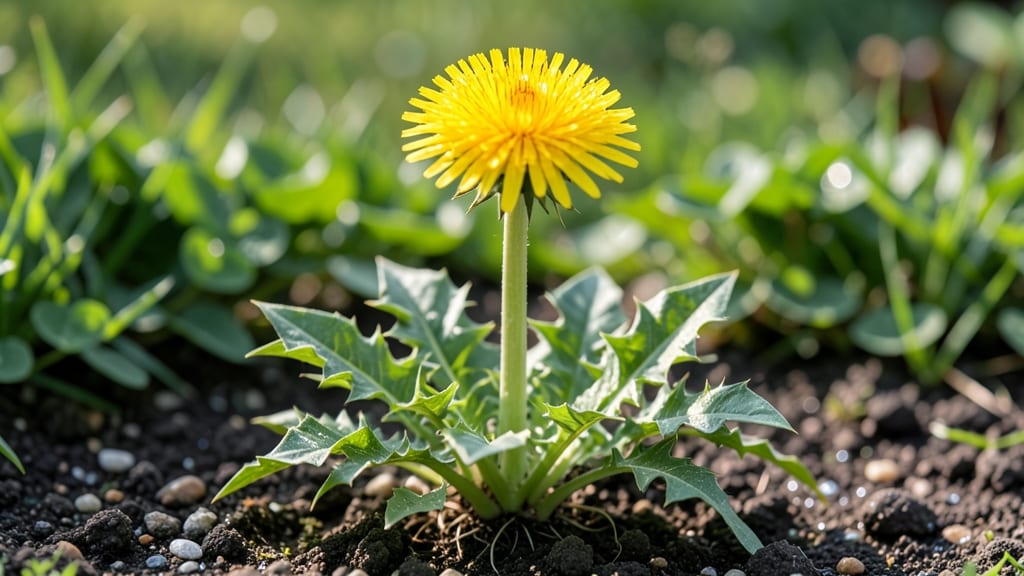
That small yellow lawn weed popping up between your grass blades?
It’s probably one of three common culprits—dandelions, clover, or chickweed—and they’re easier to handle than you think. 🌱 I’ve battled these stubborn invaders for years, and I’ll share the foolproof method that finally gave me back a clean-looking lawn without toxic chemicals.
The real problem isn’t just the weeds—it’s the thin, patchy grass they love to sneak into. Overwatering, poor soil, or mowing too short creates the perfect welcome mat for these yellow troublemakers. But here’s the good news: fixing it takes less than 30 minutes and costs almost nothing.
You’ll pull them by hand, smother them with cardboard, or spray vinegar (yes, the kitchen kind!) for a chemical-free solution that works in a single afternoon. By week 3, your lawn will look denser, greener, and weed-free—no more yellow surprises popping up.
Works for all lawn types, from shady backyards to sunny front yards. Let’s get those weeds out for good!
Underlying Causes Of Lawn Invaders
Those pesky tiny yellow lawn weeds don’t just appear out of nowhere—they’re often the result of specific conditions in your yard. Understanding the root causes helps you tackle the problem at its source. Here’s why these uninvited guests keep showing up in your grass.
Too much water doesn’t just drown your grass—it invites weeds like chickweed, crabgrass, or dollarweed. Here’s why:
- Moisture overload: Excess water softens soil, making it easier for weed seeds to germinate. Many yellow lawn weeds thrive in consistently damp conditions, while your grass may struggle to establish deep roots.
- Fungal hitchhikers: Overwatering creates the perfect environment for fungal diseases (like dollar spot), which weaken grass and leave gaps for weeds to sneak in.
- Nutrient washout: Frequent watering leaches nitrogen and other essential nutrients from the soil, leaving your lawn starved while weeds—often more resilient—flourish.
💡 Pro Tip: Water deeply 2-3 times per week (early morning is best) and let the top 2-3 inches of soil dry between sessions. Use a moisture meter or the "screwdriver test" (if it slides in easily, you’re overdoing it).
Yellow lawn weeds often dominate shady or thinly covered areas because they’ve adapted to low-light conditions. Here’s the science:
- Grass vs. weeds: Most turfgrasses (like Kentucky bluegrass or fescue) need 6+ hours of sunlight daily to photosynthesize efficiently. Weeds like henbit or ground ivy can survive with as little as 2-3 hours.
- Thin grass = weak defense: If your lawn is patchy (due to disease, foot traffic, or poor seeding), weeds fill the gaps because they germinate faster than grass.
- Cool-season weeds: Many yellow lawn weeds (like dandelions) thrive in early spring or fall when grass is still dormant but weeds are actively growing.
🌡️ Actionable Fix:
- Thin out dense tree branches or trim overhanging limbs to improve sunlight exposure.
- Reseed bare spots with shade-tolerant grass like fine fescue or creeping red fescue.
- Mow higher (3-4 inches) to shade out weeds naturally.
Soil health is the foundation of a weed-free lawn. If your soil is compacted, nutrient-poor, or acidic, weeds exploit the imbalance. Here’s how:
| Problem | How It Helps Weeds | Fix It With |
|---|---|---|
| 🔥 Compaction | Prevents water/oxygen from reaching grass roots, while weeds (like nutsedge) have shallow, aggressive root systems that thrive in dense soil. | Core aeration (2x/year) + topdressing with compost. |
| 📉 Low pH (Acidic Soil) | Grass struggles to absorb nutrients (like nitrogen), while weeds like clover or moss prefer acidic conditions. | Test soil pH (aim for 6.0–7.0) and apply lime if needed. |
| ⚡ Lack of Organic Matter | Weeds (especially broadleaf types) outcompete grass for sparse nutrients in barren soil. | Add 2–3 inches of compost or use a slow-release organic fertilizer. |
✨ Bonus Tip: Conduct a soil test (kits cost ~$20) to identify specific deficiencies. Adjust fertilizer blends accordingly—weeds often thrive when grass lacks key nutrients like phosphorus or potassium.
Weeds don’t just invade—they wait for an opening. If your grass is stressed, recovering from damage, or slow to germinate, weeds move in fast. Common triggers:
- Thatch buildup: A layer of dead grass (over ½ inch thick) blocks water/nutrients from reaching roots, while weeds sprout through it effortlessly.
- Pest/disease damage: Grubs, chinch bugs, or fungal infections kill grass, leaving bare spots for weeds to colonize.
- Improper seeding: If you overseed in hot weather or use low-quality seed, weeds (like crabgrass) germinate first and outcompete grass.
🔥 Quick Rescue:
- Dethatch in early spring with a rake or power dethatcher.
- Treat pest/disease issues before reseeding (use neem oil for fungi or milky spore for grubs).
- Choose pre-emergent herbicide (like prodiamine) in early spring to block weed seeds.
Once you pinpoint why these yellow lawn weeds are thriving, you can flip the script and reclaim your grass—without resorting to harsh chemicals. The key? Proactive care beats reactive spraying every time.
Quick Fixes for Lawn Weeds
Got those pesky small yellow lawn weeds creeping into your green space? Don’t panic—there’s a solution for every type of invader. The key is identifying the cause and applying the right fix.
Below, we’ve broken down the most common triggers and the easiest ways to tackle them, plus some pro tips to keep your lawn weed-free for good.
---
If your lawn stays soggy or gets drenched too often, weeds like chickweed or ground ivy thrive in damp conditions. Here’s how to dry them out:
- 🍳 Adjust Your Watering Schedule Water deeply 2-3 times per week (early morning is best) instead of daily light sprinkles. Aim for 1 inch of water per week—let the soil dry slightly between sessions.
- 👨🍳 Improve Soil Drainage If your yard holds water like a sponge, aerate the soil in fall or spring to loosen compaction. Use a core aerator (rent one if needed) and top-dress with compost or sand to help water flow better.
- ⏰ Rake Away Standing Water If puddles linger after rain, use a lawn rake to break up mud and redirect water toward drainage paths (like gutters or sloped areas).
💡 Pro Tip: Test your soil’s drainage by digging a 6-inch hole, filling it with water, and timing how long it takes to drain. If it’s slower than 4 hours, you’ve got poor drainage.
---
Weeds sneak in where grass is weak. If your lawn has bare spots or sparse coverage, it’s an open invitation for dandelions or clover to move in.
- 🔪 Overseed in Fall Late summer to early fall is the best time to overseed. Choose a high-quality grass seed (like tall fescue or Kentucky bluegrass) and spread it evenly over bare patches. Lightly rake and water gently for 10-15 minutes daily until germination (about 2-3 weeks).
- 🌡️ Boost Soil Fertility Weeds love nutrient-poor soil. Test your soil’s pH (ideal: 6.0–7.0) and add a slow-release fertilizer in early spring and fall. Look for one with nitrogen (N), phosphorus (P), and potassium (K)—like a 10-10-10 blend.
- ✨ Fill Bare Spots with Sod For quick results, cut out dead patches and lay down new sod. Water it twice daily for the first week to help roots establish.
💡 Pro Tip: Mow high (3–4 inches) to shade out weeds and encourage deep grass roots, which crowd out invaders naturally.
---
Not all weeds respond to the same treatment. Here’s a breakdown of when to pull, spray, or smother:
| Weed Type | Best Removal Method | Prevention Tip | |---------------------|---------------------------------------|--------------------------------------------| | Chickweed | Hand-pull or spot-treat with vinegar + dish soap (natural herbicide) | Mulch garden beds to block sunlight. | | Clover | Mow frequently (it’s shallow-rooted) or apply pre-emergent in early spring | Overseed with dense grass to outcompete it. | | Dandelions | Dig out roots (use a dandelion weeder) or spray with glyphosate (for tough patches) | Aerate and top-dress with compost. | | Ground Ivy | Smother with cardboard + mulch or use corn gluten meal (natural pre-emergent) | Improve drainage to discourage growth. |
⚠️ Safety Note: If using herbicides, always follow label instructions and avoid spraying on windy days. For organic lawns, corn gluten meal (applied in early spring) prevents weed seeds from germinating.
--- The best offense is a strong defense. Here’s how to make your lawn weed-resistant:
- 🔥 Mow Regularly (But Not Too Short!) Keep grass at 3–4 inches—taller grass shades out weeds and develops deeper roots. Never remove more than ⅓ of the blade in one mowing.
- 🍳 Feed Your Lawn Seasonally Apply fertilizer in early spring and fall to promote thick, healthy grass. Avoid high-nitrogen fertilizers in summer—they encourage weak, weed-prone growth.
- 👨🍳 Mulch Garden Beds If weeds are creeping into flower beds, smother them with 2–3 inches of mulch (wood chips, straw, or pine needles). This blocks sunlight and prevents seeds from sprouting.
- 🌡️ Stay on Top of Weeds Early The 2-inch rule: Pull or treat weeds when they’re smaller than 2 inches tall. This is when they’re easiest to remove and least likely to spread.
💡 Pro Tip: Pre-emergent herbicides (like pendimethalin) work best when applied before weed seeds germinate (usually in early spring for annuals). Just reapply after heavy rain.
--- Eradicating weeds takes consistency, not a one-time fix. Start with the biggest problem areas, adjust your watering and mowing habits, and reinforce with soil care. Within a season, you’ll see a thicker, greener lawn—and fewer unwelcome yellow intruders! 🌱💚
Frequently asked questions
Are small yellow lawn weeds harmful to my grass?
Most small yellow lawn weeds aren't harmful to grass, but they compete for nutrients, water, and sunlight. Common offenders like dandelions and clover can weaken your lawn if left unchecked, creating thin patches where weeds spread even more. The real danger is what they reveal—poor soil health or overwatering—that lets them take over.
What's the fastest way to remove small yellow weeds without chemicals?
For immediate results, try the vinegar method: Mix 1 gallon white vinegar, 1 cup dish soap, and 1 cup salt in a spray bottle. Target weeds directly (avoid grass) and reapply every 2-3 days until they die. For stubborn roots, pull them after spraying. Works best on sunny days when weeds are actively growing.
Why do I keep getting yellow weeds even after treating them?
Weeds often return because their seeds lie dormant in soil for years. If you only treat visible weeds, new ones will sprout from the seed bank. For long-term control, combine removal with pre-emergent herbicide (applied in early spring) and improve your lawn's health through proper watering, mowing, and fertilization.
Can I use corn gluten meal on my entire lawn to prevent yellow weeds?
Yes! Corn gluten meal is a natural pre-emergent that prevents weed seeds from germinating. Apply 20 pounds per 1,000 sq ft in early spring (before weeds appear) and again in fall. It also adds organic nitrogen to your soil. Just note it won't kill existing weeds—use it as prevention alongside your removal efforts.
How can I tell if my yellow lawn "weeds" are actually beneficial plants?
Some yellow lawn plants aren't true weeds! Clover, for example, fixes nitrogen in soil and stays green when grass turns brown. If your "weeds" have small yellow flowers, clover-like leaves, or stay green in summer, they might be beneficial. True weeds like dandelions and chickweed have deep roots and spread aggressively—pull these while keeping the helpful ones.