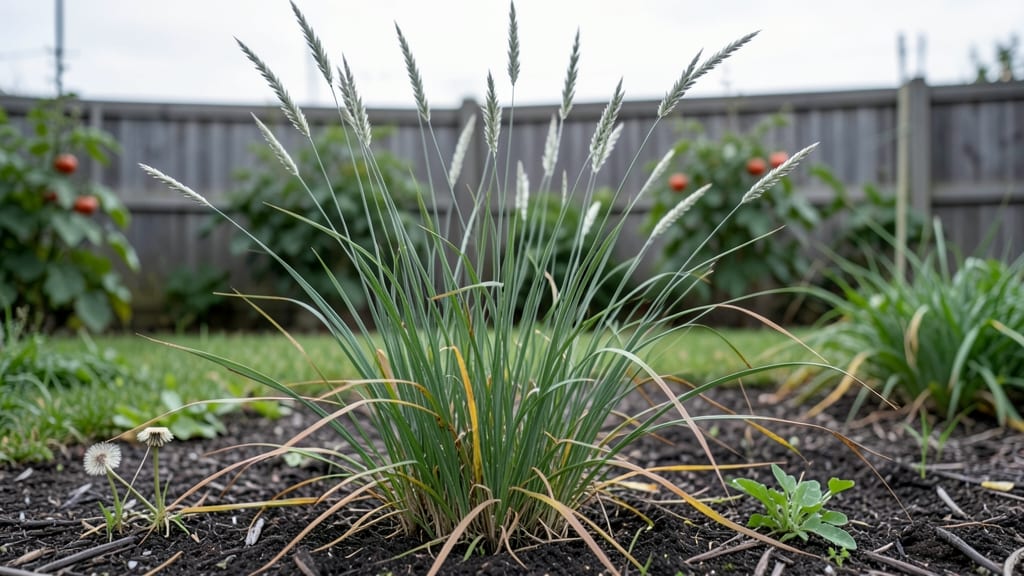
A maiden grass hedge 🌿 transforms your yard into a serene, low-maintenance privacy screen that looks stunning year-round with almost no pruning.
Tired of high-maintenance hedges that demand constant pruning and still fail to provide year-round privacy? Maiden grass hedges offer a stunning, low-effort alternative that thrives in nearly any climate while delivering lush, natural screening with minimal upkeep.
Unlike traditional hedges, maiden grass grows taller and denser over time, creating a beautiful, textured barrier that moves gently in the breeze. It’s perfect for modern, cottage, or naturalistic gardens, offering both beauty and practicality.
In this guide, I’ll show you how to plant, shape, and care for a maiden grass hedge so it thrives with minimal effort while adding year-round interest to your landscape.
Why maiden grass excels as a low-maintenance privacy hedge
If you're tired of battling boxwood or privet hedges that require constant pruning and still leave gaps, maiden grass offers a revolutionary solution. Unlike traditional hedges that demand year-round upkeep, Miscanthus sinensis thrives with minimal effort while delivering natural privacy and seasonal beauty.
Its airy, upright growth creates a wind-permeable screen that blocks views without sacrificing airflow—ideal for modern landscapes.
What truly sets maiden grass apart is its year-round interest. While boxwood turns brown in winter and privet loses its dense structure, maiden grass retains its architectural form and textural appeal even when dormant.
The plume-like seed heads in fall add dramatic flair, making it a standout feature that traditional hedges simply can't match. Plus, it supports wildlife habitats by providing shelter for birds and beneficial insects.
Here’s how maiden grass compares to traditional hedges in key areas:
| Feature |
Maiden Grass Hedge |
Boxwood Hedge |
Privet Hedge |
Arborvitae Hedge |
| Growth Habit |
Clumping, upright, 4-6 ft tall |
Bushy, 2-4 ft tall, dense |
Dense, 6-10 ft tall, invasive |
Columnar, 10-15 ft tall, evergreen |
| Seasonal Interest |
Year-round texture + fall plumes |
Green summer, brown winter |
Green year-round, dull in winter |
Evergreen, monotonous appearance |
| Pruning Needs |
Minimal—cut back in late winter |
Monthly trimming for shape |
Frequent shearing to control spread |
Annual tip pruning for density |
| Wildlife Value |
Supports birds, butterflies, seed-eating critters |
Minimal—no food source |
Attracts invasive pests like spiders |
Provides shelter but no food |
| Drought Tolerance |
Moderate—once established |
Low—requires consistent watering |
Low—sensitive to dry soil |
Step-by-Step guide to planting and establishing a maiden grass hedge
Creating a maiden grass hedge is simpler than you might think, and the results are far more stunning than traditional hedges. Unlike boxwood or privet, maiden grass (Miscanthus sinensis) requires no shearing while delivering year-round texture and seasonal interest.
The key to success lies in proper soil prep, strategic plant spacing, and consistent watering during the critical first two years.
Maiden grass thrives in USDA zones 5-9 and adapts to various soil types, but it demands well-draining soil to prevent root rot. Planting in spring after the last frost (typically April-May) gives your hedge a full growing season to establish before winter dormancy.
With the right approach, your maiden grass hedge will reach 4-6 feet tall within 3 years while requiring minimal pruning.
🌱 Step-by-Step Planting & Establishment Guide
-
📏 Step 1: Choose Your Location & Soil
Select a sunny to partially shaded spot with 6+ hours of sunlight. Maiden grass tolerates poor soil but thrives in sandy loam. Test soil pH (ideal: 6.0-7.5) and amend with compost if needed.
-
🌱 Step 2: Dig & Space Plants Properly
Dig holes twice as wide as the root ball but no deeper. Space dwarf varieties 2-3 feet apart and standard types 3-4 feet apart for a dense hedge. Plant 3-4 plants per linear foot for full coverage.
-
💧 Step 3: Water Immediately After Planting
Soak the root zone with 1 gallon of water per plant. Water deeply 2-3 times per week for the first month, then taper to weekly deep watering during the first growing season.
-
🌿 Step 4: Mulch & Fertilize Lightly
Apply 2-3 inches of mulch (wood chips or straw) to retain moisture. Use a balanced 10-10-10 fertilizer at half-strength in May and June only—over-fertilizing causes weak growth.
-
✂️ Step 5: Minimal Pruning in Year 1
Remove only dead or damaged foliage in late winter. Avoid cutting back more than 1/3 of the plant—maiden grass regrows from the base. Let it grow naturally for the first year.
-
🌡️ Step 6: Winter Care & Year 2 Adjustments
Cut back brown foliage to 6 inches in late winter (February) before new growth. In Year 2, increase spacing between waterings to every 10-14 days once established.
-
🌳 Step 7: Enjoy Year-Round Privacy
By Year 3, your hedge will reach 4-6 feet tall with minimal care. Group 3-5 plants together for a lush, wind-resistant screen that turns golden in fall and retains winter interest.
One of the biggest mistakes new gardeners make is over-pruning maiden grass. Unlike traditional hedges, maiden grass doesn’t need shearing—it grows in arching plumes that create natural privacy. If you notice bare spots, simply add a new plant to fill gaps rather than cutting back existing ones.
This grass also self-seeds lightly, so you may see volunteer plants popping up nearby—let them grow for extra density!
The first two years are critical for establishing a strong root system. Focus on consistent moisture during droughts and avoid fertilizing in fall or winter, as maiden grass enters dormancy.
By Year 3, your hedge will require almost no maintenance beyond an occasional drink during dry spells. Pair it with evergreen shrubs like holly or juniper for year-round screening.
For a modern landscape, plant maiden grass in straight lines with 3-foot spacing between rows. In naturalistic gardens, let it grow wildly alongside ornamental grasses like feather reed grass for texture contrast. The possibilities are endless—just remember, patience is key! 🌿
★★★★★4.8(15 reviews)
|