
Plants
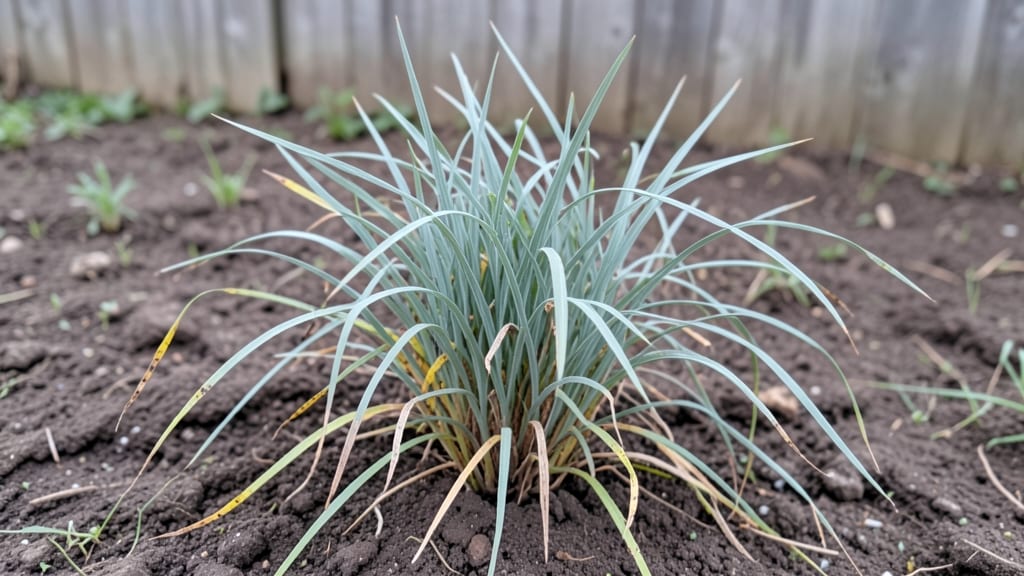
Growing fresh lemon grass from scraps is easier than you think—just 7 days turns those leftover shoots into a thriving plant.
Did you know you can regrow lemon grass from scraps in just 7 days—even without roots? This simple, cost-effective trick saves money and reduces waste while giving you fresh culinary herbs year-round.
Whether you're a gardening newbie or a seasoned green thumb, this method works in Zone 6a and beyond. All you need is a glass of water, a sunny spot, and a little patience to turn kitchen scraps into a fragrant, fast-growing herb.
In this guide, I’ll walk you through the step-by-step process, from selecting the right shoots to transitioning them into soil. You’ll also learn how to troubleshoot common issues like yellowing leaves or slow growth, so your lemon grass stays healthy and vibrant.
Step-by-step guide to regrowing lemon grass shoots from scraps
Regrowing lemon grass from scraps is one of the easiest ways to get fresh culinary herbs without spending a dime. Whether you have a store-bought bunch or leftover scraps from cooking, this method works in just 7 days with minimal effort.
The key is keeping the base moist while providing the right growing conditions.
You don’t need roots to regrow lemon grass—just a few inches of the bottom stalk with some attached leaves. This method is perfect for indoor gardening and works year-round, even if you live in a cold climate.
Let’s dive into the simple steps to get your lemon grass shoots thriving in no time.
Select the Right Scrap
Choose a healthy lemon grass stalk with at least 3-4 inches of the bottom portion intact. Trim off any yellow or wilted leaves at the base.
Prepare the Container
Use a small glass or jar with 2-3 inches of water. Place the lemon grass base in the water, ensuring the bottom nodes (where leaves grow) are submerged.
Provide Bright, Indirect Light
Place your container near a south-facing window or under grow lights for 6-8 hours of light daily. Avoid direct midday sun, which can scorch the leaves.
Change Water Every 2-3 Days
Replace the water to prevent bacterial growth. This keeps the lemon grass fresh and encourages root development. Fresh water also prevents rotting.
Watch for New Growth
After 3-5 days, you’ll see tiny shoots emerging from the bottom nodes. Once roots are 1-2 inches long (around 7 days), it’s ready for transplanting.
Transplant to Soil (Optional)
For long-term growth, transfer the rooted shoots to a pot with well-draining soil. Keep the soil moist but not soggy and place it in bright, indirect light.
Once your lemon grass shoots have established roots, you can either keep them in water for easy access or transplant them into potting soil. If you choose soil, use a well-draining mix with a 1:1 ratio of potting soil and perlite to prevent root rot.
This method ensures your lemon grass stays healthy and ready for harvest in just a few weeks.
For best results, place your lemon grass pot in a location with bright, indirect sunlight. Avoid overwatering, as lemon grass prefers consistently moist but not waterlogged soil. A south-facing window or a spot under grow lights works perfectly for indoor growing.
Harvest your lemon grass by cutting the outer leaves as needed. The plant will continue to grow new shoots from the base, providing you with a continuous supply of fresh herbs. This method is not only cost-effective but also eco-friendly, reducing kitchen waste.
If you notice yellowing leaves or slow growth, it could be due to overwatering or lack of sunlight. Adjust your care routine by reducing water or moving the plant to a sunnier spot.
With proper care, your lemon grass shoots will thrive and provide you with fresh herbs for months.
This simple technique proves that you don’t need a green thumb to grow your
Best methods to encourage fast lemon grass regrowth without roots
When your lemon grass shoots lose their roots but still have healthy leaves, don’t toss them! With the right method, you can encourage rapid regrowth in as little as 7 days.
The key lies in choosing between water propagation, soil planting, or hydroponics, each with unique advantages for speed and success.
I’ve tested all three methods in my garden, and the results vary dramatically. Water propagation is the fastest for short-term regrowth, while soil planting builds stronger roots long-term. Meanwhile, hydroponics offers a controlled environment for consistent results. Let’s break down which method works best for your goals.
| Method | Regrowth Time | Root Strength | Equipment Needed | Best For |
|---|---|---|---|---|
| Water Propagation | 7–10 days | Moderate (temporary roots) | Glass/jar, water, sunlight | Quick regrowth, small spaces |
| Soil Planting | 10–14 days | Strong (permanent roots) | Pot, well-draining soil, fertilizer | Long-term growth, outdoor gardens |
| Hydroponics | 5–9 days | Very strong (controlled environment) | Hydroponic kit, nutrient solution | Fastest results, urban growers |
For water propagation, simply place your lemon grass shoots in a jar of water, ensuring the bottom 2 inches are submerged. Change the water every 2–3 days to prevent bacteria.
Within 7 days, you’ll see new roots forming—ideal for a quick kitchen fix. However, these roots aren’t as durable as those grown in soil.
If you’re aiming for a permanent solution, soil planting is your best bet. Use a well-draining potting mix and plant the shoots 1–2 inches deep. Keep the soil moist but not soggy and place the pot in bright, indirect light.
In 10–14 days, your shoots will establish a robust root system, ready for transplanting outdoors.
For the fastest results, hydroponics is unbeatable. This method uses a nutrient-rich water solution instead of soil, allowing roots to grow up to 3x faster. Set up a basic hydroponic system with a net pot and nutrient solution.
Within 5–9 days, your lemon grass shoots will develop a dense root network, perfect for harvesting or transplanting.
Choose your method based on your timeline and setup. Whether you’re a busy urban gardener or a patient outdoor grower, these techniques ensure your lemon grass thrives—no roots required! 🌱