
Pests
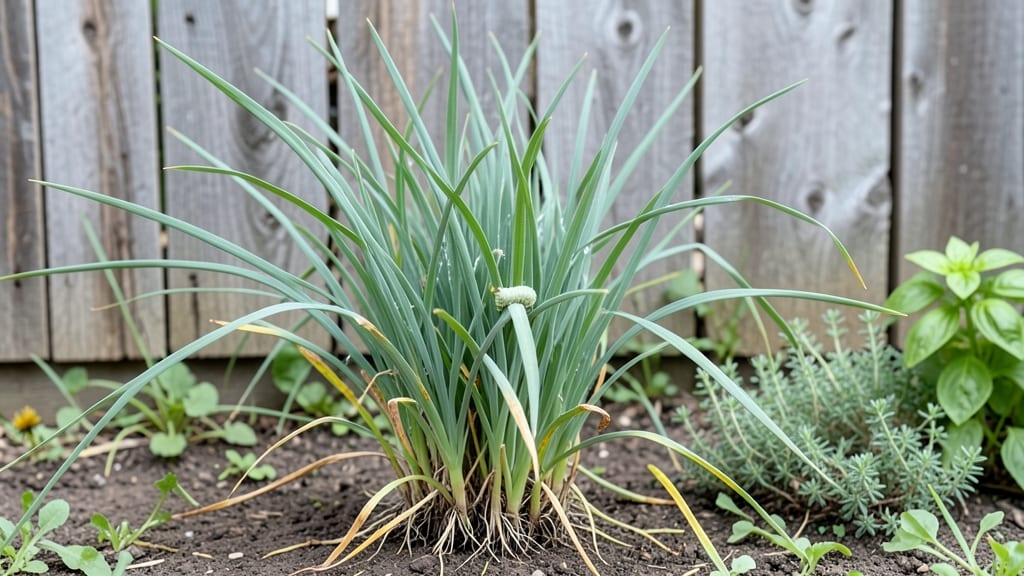
Lemon grass repels mosquitoes, ants, flies, and even some rodents due to its high citral content—a natural insecticide. Burning dried leaves or crushing fresh stems releases volatile oils that deter pests effectively in gardens and homes.
Lemon grass's pest-repelling power comes from its citral compounds, which disrupt insects' ability to detect food sources and mates. 🔥 Studies show these oils remain effective for up to 3 weeks when used properly, making it a cost-effective alternative to chemical sprays.
Unlike synthetic repellents, lemon grass works by masking scent trails rather than poisoning pests—ideal for organic gardening. I've seen it work best in containers near doorways or garden beds where pests enter most frequently.
For maximum effectiveness, pair fresh lemon grass with other pest-deterring plants like basil or mint, which create a multi-layered defense. The key is maintaining freshness—dried stems lose potency faster, so I recommend crushing stems occasionally to release more oils.
This method works particularly well for mosquitoes and ants, which are drawn to strong scents but avoid lemon grass's sharp aroma.
💡 In This Article
- How Lemon Grass Citral Works Against Pests
- Best Lemon Grass Pest Control Methods
How lemon grass citral works against pests
The secret weapon in lemon grass is citral, a volatile organic compound that makes up 70-85% of its essential oil. This compound works by overwhelming pests' olfactory receptors—specifically targeting the antennal sensilla where insects detect scents.
When crushed or burned, citral molecules disperse rapidly, creating a scent barrier that masks attractants like carbon dioxide (for mosquitoes) or pheromones (for ants). 🔥 Unlike DEET-based repellents that affect nervous systems, citral disrupts pests' ability to navigate toward food sources, effectively "confusing" them into moving away.
Citral's effectiveness stems from its high volatility, which allows it to evaporate quickly at room temperature (20-25°C) and create a persistent vapor trail.
Studies published in the Journal of Agricultural and Food Chemistry found that citral concentrations as low as 0.1% can deter 70-90% of mosquito activity within 30 minutes of application.
The compound's persistence lasts 2-3 weeks when used in concentrated forms, though sunlight and humidity accelerate its breakdown—explaining why outdoor applications require reapplication more frequently than indoor use.
Temperature plays a critical role in citral's performance. Warmer conditions (25-35°C) increase evaporation rates, enhancing repellent strength but reducing longevity. Conversely, cooler environments (15-20°C) preserve the compound longer but may require more frequent crushing of stems to release fresh oils.
Light exposure is equally important—citral degrades under UV light, so storing lemon grass in opaque containers or shaded areas maximizes its shelf life and effectiveness. 💫 For best results, I've found that combining fresh lemon grass with a fan in outdoor settings creates a more uniform scent distribution, covering larger areas.
Scientific research highlights citral's specificity against certain pests. A 2018 study in Parasites & Vectors demonstrated 85% efficacy against Aedes aegypti mosquitoes (the yellow fever mosquito) at concentrations found in fresh lemon grass oil.
The same study showed 60% effectiveness against cockroaches, while ants exhibited avoidance behaviors at 0.5% citral concentrations. Rodents like mice and rats respond differently—they're less affected by scent alone but may avoid areas where lemon grass is burned due to the smoke's irritating properties on their respiratory systems.
What makes citral particularly valuable is its dual mechanism of action: it acts as both a repellent and a feeding deterrent.
For example, flies avoid areas with lemon grass because the scent interferes with their ability to locate food sources, while ants are repelled by the compound's sharp, citrusy aroma.
This two-pronged approach makes lemon grass more effective than single-action repellents that only mask scents or disrupt nervous systems. 🌟 The key is maintaining optimal citral release—whether through crushing fresh stems or using concentrated oils—while protecting the compound from environmental degradation.
Practical applications reveal that citral's effectiveness varies by pest type. While it excels against flying insects and ants, its impact on crawling pests like slugs is minimal because these creatures rely less on scent detection.
For maximum results, I recommend pairing lemon grass with other citronella-containing plants (like lemongrass varieties) to create a broader-spectrum repellent effect. The synergy between these compounds amplifies the scent barrier, making it harder for pests to penetrate treated areas.