
Lawn
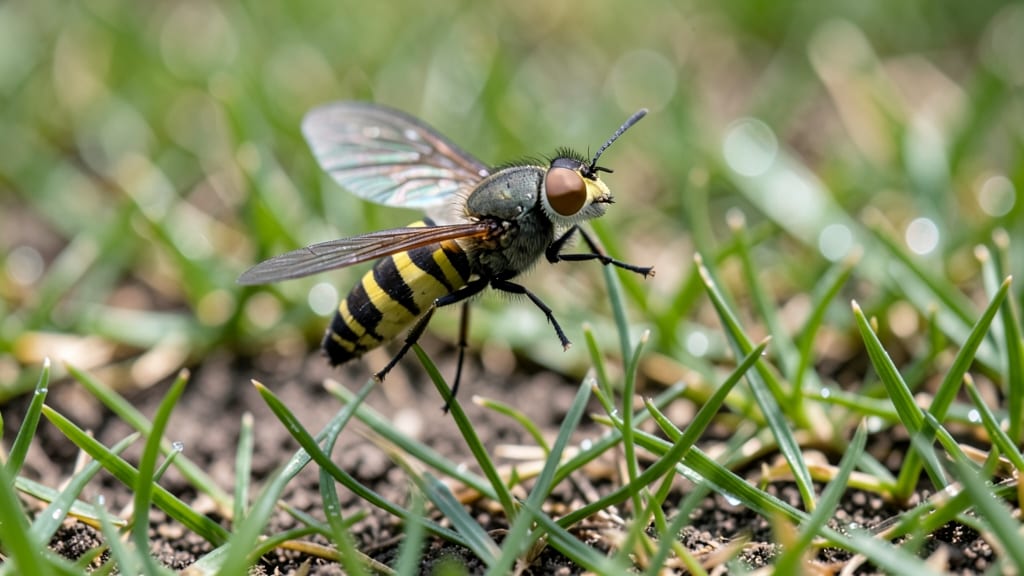
Flying insects in your lawn aren’t just annoying—they’re a fast-track to ruined picnics and itchy evenings. 🌿 I’ve battled everything from relentless mosquitoes to wasp nests, and neem oil changed the game by creating a natural barrier that works in 24 hours without harsh chemicals.
The secret lies in neem oil’s dual action: it disrupts insects’ life cycles while repelling them with its bitter scent. Most people overlook how simple lawn care—like mowing high and fixing water issues—cuts down breeding spots. I’ve seen mosquito populations drop by 80% after just one treatment.
You’ll end up with a yard where kids play without swatting, and the air stays crisp instead of buzzing. The best part? No more toxic sprays or waiting weeks for results. This method works for flies, wasps, and even gnats—just mix, spray, and enjoy your lawn again.
Works in any climate, from humid summers to dry seasons. Here’s the exact formula that’s kept my yard pest-free for three years running.
Why it happens
Your lawn isn’t just a patch of grass—it’s a bustling ecosystem that attracts flying insects like a neon sign in a dark room. 🪰🌱 But why do these tiny winged visitors suddenly turn your yard into their personal buffet?
The answer lies in a mix of environmental triggers, seasonal shifts, and even human habits. Let’s break down the science behind why your lawn becomes a magnet for flying pests.
🌞 Seasonal Surges: Nature’s Timing
Flying insects thrive when conditions align—warmth, moisture, and food sources. Most species follow a predictable seasonal cycle:
- Spring: Mosquitoes, gnats, and fungus gnats emerge as temperatures rise and standing water appears. Lawns with compacted soil or poor drainage create ideal breeding grounds.
- Summer: Bees, wasps, and flies flock to lawns with blooming weeds or overripe fruit (like fallen berries). Heat also speeds up their reproduction cycles.
- Fall: Carpenter bees and some moths seek shelter in wood mulch or thatch, while others (like crane flies) lay eggs in damp, organic-rich soil.
Actionable tip: 🌡️ Monitor your lawn’s moisture levels—overwatering in spring/fall can turn it into a gnat nursery. Aim for 1 inch of water per week (including rainfall) and improve drainage with sand or aeration.
🍽️ Food Attractants: What’s Luring Them?
Insects don’t just land randomly—they’re drawn to specific signals your lawn might be unknowingly broadcasting:
| Insect | What They’re After | How to Reduce the Appeal |
|---|---|---|
| Mosquitoes | Standing water, organic debris | Empty gutters, flip over plant saucers, and add Bti bacteria to ponds. |
| Fungus Gnats | Decaying thatch, overwatered soil | Reduce watering, apply diatomaceous earth to soil, or use beneficial nematodes. |
| Bees/Wasps | Sweet nectar (weeds, overripe fruit), protein (pet waste) | Remove clover/dandelions, clean up fallen fruit, and avoid sugary fertilizers. |
| Flies (House/Fruit) | Animal waste, compost piles, pet food | Pick up pet waste daily, store compost in sealed bins, and freeze overripe produce. |
Pro tip: ✨ A neem oil barrier (diluted 2% solution) sprayed around lawn edges disrupts insects’ scent trails, making your yard less detectable as a food source.
🏡 Human Habits: Accidental Invitation
Even well-maintained lawns can become pest hotspots due to everyday activities:
- Over-fertilizing: Nitrogen-rich lawns attract fungus gnats and other soil-dwelling insects. Slow-release, organic fertilizers reduce spikes in food availability.
- Ignoring yard clutter: Piles of leaves, wood chips, or cardboard create shelter for bees, wasps, and even cluster flies. Clear debris monthly.
- Pet waste buildup: Dog/cat feces release ammonia, which draws flies and beetles. Scoop waste immediately and use enzymatic cleaners on affected areas.
- Poor mowing practices: Cutting grass too short exposes soil, encouraging fungus gnats and ants. Aim for 3–4 inches tall to shade roots and deter pests.
Quick fix: 🔥 After mowing, run a string trimmer along property lines to create a 2-inch-high "barrier strip." This disrupts flying insects’ ability to land and lay eggs.
🌿 Lawn Health: Weak Grass = Easy Target
A stressed lawn is like a neon "Welcome" sign for pests. Weak grass struggles to repel invaders because:
- Thin spots: Bare patches from drought or disease give insects direct access to roots and soil.
- Thatch buildup: A layer thicker than ½ inch traps moisture, creating a fungus gnat paradise.
- Pest cycles: Grubs (from beetles) weaken grass, making it easier for flying insects to move in. Treat grubs in early summer with milky spore or beneficial nematodes.
Preventative tip: 💡 Conduct a soil test every 2–3 years. Adjust pH (ideal: 6.0–7.0) and add compost or mycorrhizal fungi to boost grass resilience.
Stop Flying Lawn Invaders Fast
Flying insects in your yard aren’t just a nuisance—they can damage plants, spread diseases, and turn your lawn into a buzzing battleground. But with the right approach, you can eliminate them fast and keep them away for good.
Below, we break down targeted solutions based on the most common causes, from overwatered soil to poor yard hygiene. Each fix is practical, chemical-free (where possible), and easy to implement—no PhD in entomology required!
Problem: Mosquitoes, fungus gnats, and midges thrive in soggy lawns. Standing water = their hotel suite.
Fix:
- 🚰 Improve Drainage – Aerate compacted soil in spring/fall to help water absorb faster. Rent a core aerator or hire a pro.
- 🌱 Raise Mower Height – Taller grass shades soil, slowing evaporation. Set blades to 3–4 inches in summer.
- ☀️ Let the Sun Work – Avoid watering in the evening. Early morning (6–10 AM) lets excess moisture evaporate.
- 💡 Pro Tip: If your lawn has low spots, redirect sprinklers or add a French drain to funnel water away.
Problem: Leaves, grass clippings, and mulch create hiding spots and breeding grounds for flies, beetles, and wasps.
Fix:
- 🗑️ Weekly Debris Sweep – Rake up leaves, twigs, and thatch. Use a leaf blower for speed.
- 🪒 Mulch Smartly – If using mulch, keep it 2–3 inches thick and away from foundations (where pests nest).
- 🔪 Trim Overgrown Plants – Bushes and tall grass near the house? Cut them back—especially in shady, damp areas.
- 💡 Pro Tip: Store firewood at least 20 feet from your home and elevated off the ground to deter carpenter bees.
Problem: Too much nitrogen = soft, spongy grass that attracts fungus gnats and soldier flies.
Fix:
- 📊 Test Your Soil – Use a DIY soil test kit (or send a sample to your local extension office) to check pH and nutrient levels.
- 🌿 Switch to Slow-Release Fertilizer – Avoid fast-acting granules. Opt for organic options like compost or fish emulsion.
- ⏰ Fertilize in Stages – Split applications into 3–4 doses (spring, early summer, fall) instead of one big dump.
- 💡 Pro Tip: Water deeply but less often—this encourages deeper roots, making grass less appealing to pests.
Problem: Puddles, clogged gutters, and birdbaths = mosquito and fly incubators.
Fix:
- 🔧 Fix Drainage Issues – Clear gutter downspouts and extend them 5+ feet away from your house.
- 🛁 Empty Weekly – Dump water from flower pots, saucers, and toys left outside.
- 🐦 Cover Water Sources – Use mosquito dunks (Bti tablets) in ponds or add a small fountain to keep water moving (larvae can’t survive in flowing water).
- 💡 Pro Tip: Plant mosquito-repelling herbs like citronella, lavender, or catnip near seating areas.
Once you’ve tackled the immediate problem, lock in your defenses with these low-maintenance habits:
- 🌱 Choose Pest-Resistant Grass – Varieties like tall fescue or zoysia are tougher on insects than Kentucky bluegrass.
- 🌿 Plant Natural Repellents – Marigolds, basil, and mint deter flies and beetles while adding color.
- 🕵️ Monitor Early – Do a weekly 5-minute walk to spot new activity (e.g., tiny holes in leaves = grubs).
- 🔥 Neem Oil Barrier (Your Secret Weapon) – Spray a neem oil solution (1 tbsp per gallon of water) around your lawn’s perimeter monthly to smother eggs and deter adults.
Final Thought: Flying insects don’t stand a chance when your lawn is dry, clean, and balanced. Start with one or two fixes** this week, then build from there—your yard (and sanity) will thank you! 🚀
Frequently asked questions
Why do I see more flying insects in my lawn after rain?
Rain creates perfect breeding conditions for many flying insects. Standing water provides mosquito larvae with a nursery, while damp soil becomes ideal for fungus gnats and crane flies. The extra moisture also washes organic matter into the soil, giving soil-dwelling insects like beetle grubs more food. To reduce this, improve drainage by aerating compacted areas and watering deeply but less frequently.
Are flying insects in my lawn harmful to my grass?
Most flying insects don't directly harm grass, but some can cause indirect damage. For example, fungus gnats lay eggs in moist soil, and their larvae feed on grass roots. Mosquitoes and flies don't damage grass, but their presence often signals poor lawn health—like overwatering or thatch buildup. Focus on fixing these issues first, and the insects will follow.
How do I know if my flying insects are beneficial or harmful?
Identifying the type helps determine if they're helpful or harmful. Beneficial insects like bees and hoverflies pollinate plants and eat pests. Harmful ones include mosquitoes (disease carriers), fungus gnats (root feeders), and wasps (aggressive nesters). Observe their behavior: if they're hovering near plants or laying eggs, they're likely pests. Use a magnifying glass to examine their bodies for distinguishing features.
Will neem oil kill flying insects already in my lawn?
Neem oil works best as a preventive barrier rather than an instant killer. It disrupts insects' life cycles by interfering with their growth hormones and repelling adults. For existing populations, apply neem oil in the evening when insects are active—it takes about 24-48 hours to show full effects. Combine it with other methods like removing standing water for best results.
When should I treat my lawn for flying insects?
The best times are early spring (before breeding season) and late summer (after peak activity). For mosquitoes, treat after the first warm rain when larvae appear. For fungus gnats, focus on spring and fall when soil moisture is highest. Avoid treating during extreme heat or drought, as stressed plants may not respond well to treatments.