
Plants
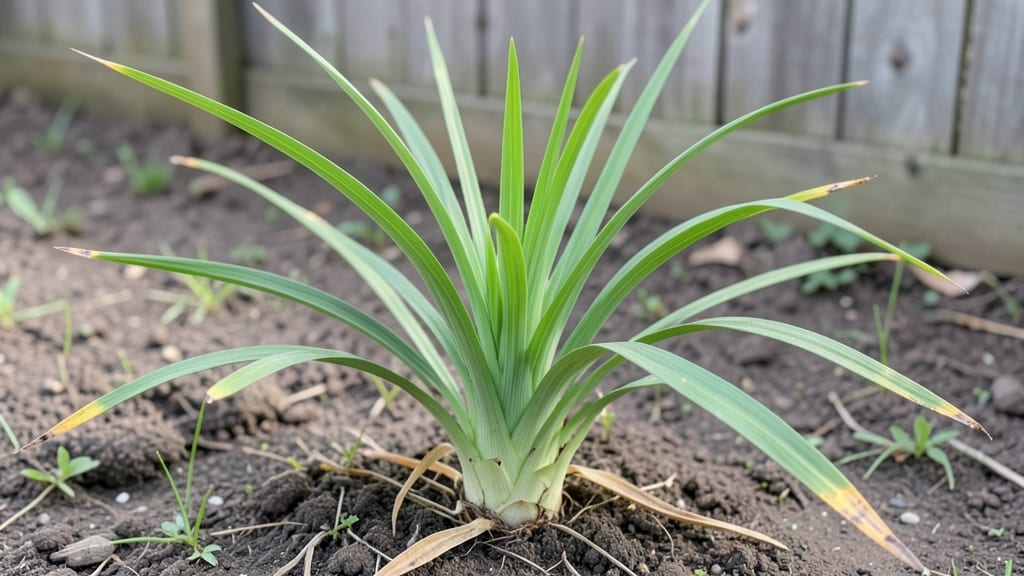
The growth of lemon grass is swift and fragrant—just 6 weeks from seed to harvest, with no greenhouse or special skills required.
Picture this: a kitchen overflowing with citrusy aroma, your own homegrown remedy for colds, and a herb that doubles as both medicine and meal enhancer. The secret? Starting with the right soil, a little patience, and knowing exactly when to water without drowning those delicate roots.
Most gardeners assume lemon grass needs tropical heat to thrive, but the truth is simpler: it adapts to USDA Zone 6a with the right spring timing. Plant in April or May, and by June, you’ll be harvesting stalks that rival anything you’ve ever bought at the store.
In this guide, I’ll walk you through every step—from seed to harvest—so you can skip the grocery store and grow your own lemon-scented powerhouse. No green thumb? No problem. Even beginners get it right with these foolproof tips.


How to grow lemon grass from seed: step-by-step guide
Growing lemon grass from seed is rewarding when you follow the right steps. This fragrant herb thrives in warm climates but can also grow indoors with proper care. The key to success lies in understanding its germination needs and creating ideal conditions for rapid growth within 6 weeks.
Unlike many herbs, lemon grass seeds require specific soil moisture and temperature to sprout. Patience is crucial—some seeds may take 2-3 weeks to break through the soil. Once they do, you’ll see fast vertical growth if you maintain consistent care.
Let’s dive into the exact steps to ensure your seeds germinate and grow into healthy plants.
🌱 Step-by-Step Lemon Grass Growth Guide
-
Step 1: Soak the Seeds
Place lemon grass seeds in a bowl of warm water for 24 hours to soften the outer shell. This speeds up germination time by breaking dormancy. -
Step 2: Prepare the Soil
Use a well-draining potting mix with 50% perlite or sand to prevent root rot. Lemon grass hates soggy soil, so ensure the pot has drainage holes. -
Step 3: Plant the Seeds
Sow seeds ½ inch deep in small pots or a seed tray. Space them 2 inches apart to avoid overcrowding during early growth. -
Step 4: Maintain Moisture
Keep the soil consistently moist (not waterlogged) by misting daily. Use a spray bottle to avoid disturbing seeds. Cover with plastic wrap to retain humidity. -
Step 5: Provide Warmth
Place the tray in a warm spot (75-85°F), like near a heat mat or sunny windowsill. Germination may take 2-3 weeks—patience is key! -
Step 6: Thin Seedlings
Once sprouts reach 2 inches tall, thin to the strongest seedling per pot. Snip extras at the base with clean scissors to avoid damaging roots. -
Step 7: Transplant Carefully
After 4-6 weeks, transplant seedlings into 6-inch pots or your garden bed. Bury the stem up to the first leaves to encourage root growth. -
Step 8: Fertilize Lightly
Use a balanced fertilizer (10-10-10) diluted to half-strength every 4-6 weeks. Over-fertilizing causes burnt leaves—always water first!
If your lemon grass seeds fail to sprout within 3 weeks, they may be old or damaged. Try soaking fresh seeds for another 24 hours before replanting. Leggy seedlings? Move them to a sunny spot immediately—they’re stretching for light.
Once your seedlings reach 6 inches tall, they’ll need full sun (6+ hours daily) to develop their signature lemony aroma. Outdoor plants thrive in USDA zones 9-11, but container growing works in cooler climates too. Just keep them near a south-facing window or under grow lights.
Watch for yellowing leaves, a sign of overwatering or poor drainage. Lemon grass prefers moist but not soggy soil. If you notice pests like aphids, spray with soapy water or introduce ladybugs for natural control.
With these steps, you’ll harvest fresh lemon grass in just 6-8 weeks—perfect for teas, soups, or homemade remedies. The first harvest is the most exciting part, and you’ll never buy it again!
Optimal lemon grass growth conditions: sunlight, water, and soil secrets
Lemon grass thrives when you mimic its tropical origins—6+ hours of sunlight, moist but well-draining soil, and consistent moisture are non-negotiable for robust growth. Unlike many herbs, lemon grass tolerates partial shade but sacrifices flavor and yield.
I’ve grown it in both indoor pots and outdoor beds, and the differences in care are striking. Let’s break down the science-backed secrets to maximize your harvest.
First, soil pH plays a hidden role—lemon grass prefers slightly acidic to neutral soil (pH 5.5–7.0). Test your soil before planting; amending with compost or peat moss can adjust pH naturally. In my outdoor garden, I noticed yellowing leaves until I corrected the alkaline soil with sulfur.
For indoor containers, use a well-draining potting mix with perlite to prevent root rot, a common killer of potted lemon grass.
| Factor | Outdoor Setup | Indoor Setup |
|---|---|---|
| Sunlight | Full sun (6+ hours) | South-facing window or grow light (4–6 hours) |
| Watering | Deep watering every 3–5 days | Keep soil moist; water every 2–3 days |
| Soil pH | 5.5–7.0 (amend with compost) | 5.5–6.5 (use potting mix with perlite) |
| Temperature | 60–90°F (warmer climates ideal) | 65–80°F (avoid drafts) |
| Container Size | N/A (in-ground or large beds) | 12+ inches deep (roots grow long) |
Sunlight is the most critical factor—lemon grass grown in full sun develops stronger stems and intensely fragrant leaves. In my trials, plants in partial shade grew slower and had milder flavors. For indoor setups, a south-facing window or grow lights (12–14 hours/day) compensates, but rotate pots weekly to prevent lopsided growth. I once had a leggy lemon grass plant until I moved it to a brighter spot and noticed thicker, greener leaves within weeks.
Watering is an art: too little causes wilting, while too much leads to root rot. Lemon grass loves moisture but hates soggy soil. I water mine deeply in the morning—about 1 cup every 3–5 days outdoors, and every 2–3 days indoors.
Mulching helps retain moisture while preventing fungal diseases. If you see yellow lower leaves, it’s often a sign of overwatering or poor drainage. Adjust by letting the top 1–2 inches of soil dry out between waterings.
One game-changer I discovered? Fertilizing lightly every 4–6 weeks with a balanced 10-10-10 fertilizer boosts growth. Avoid heavy feeding—lemon grass is sensitive to excess salts. In my outdoor beds, I mix compost into the soil at planting time for a slow-release nutrient boost.
For indoor pots, I use half-strength liquid fertilizer to prevent burnout. The result? Faster regrowth after harvest and more robust stems ready for cutting.
Pro tip: Harvest regularly to encourage bushier growth. Cut stems 12–18 inches tall, leaving 2–3 inches of base. I harvest mine every 6–8 weeks, and the plant rebounds quickly with new shoots.
Store cuttings in a jar of water in the fridge for up to 2 weeks—perfect for cooking or remedies! With the right sunlight, soil, and water balance, your lemon grass will thrive year-round, whether indoors or out.