
Plants
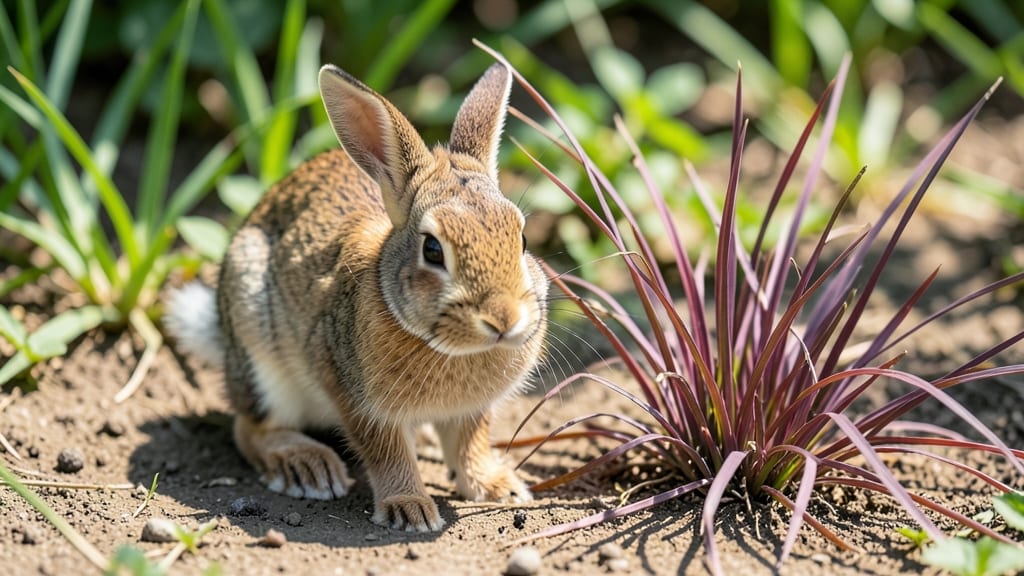
Growing a rabbit grass plant 🌱 is one of the fastest ways to transform a patchy lawn into a lush, sun-loving carpet—but only if you avoid its biggest pitfalls.
Picture this: you’ve spent hours prepping soil, planting seeds, and waiting for something to take hold, only to watch weeds choke out your progress.
Rabbit grass thrives in full sun and spreads aggressively, but without the right timing or care, it can become a maintenance nightmare instead of your dream ground cover.
Whether you’re tackling erosion, filling gaps between pavers, or just craving a low-maintenance lawn, this grass is a game-changer—if you know how to plant it right.
Below, I’ll walk you through the exact steps to get it established fast, how to keep it dense, and when to let it go wild (yes, really).
From April to May planting windows to the 30-day mark for harvest-ready growth, here’s everything you need to turn your sunniest spot into a thriving rabbit grass oasis.
What is rabbit grass plant and why it thrives in sunny lawns
If you’ve ever struggled to keep a lawn lush in hot, dry climates, you’ve likely heard of rabbit grass (Poa spp.). This fast-spreading, sun-loving grass isn’t just hardy—it’s practically indestructible.
Native to Mediterranean regions and parts of North America, rabbit grass thrives where other plants wilt, making it a favorite for low-maintenance landscapes. Its ability to spread quickly while requiring minimal care makes it ideal for sunny lawns, slopes, and even erosion-prone areas.
What sets rabbit grass apart is its drought tolerance and adaptability to poor soil conditions. Unlike fussy turf grasses, it doesn’t need rich, fertile soil to flourish. Instead, it thrives in sandy or rocky soils where other plants struggle.
This resilience, combined with its fast-spreading rhizomes, allows it to outcompete weeds naturally. Whether you’re dealing with full sun exposure or occasional dry spells, rabbit grass stays green and vibrant with minimal effort.
The name “rabbit grass” comes from its soft, fine texture, which resembles the fur of a rabbit. While it’s not a true lawn grass like Kentucky bluegrass, it serves the same purpose—covering bare soil, reducing weeds, and adding a natural, green carpet to your yard.
Its aggressive spread can be both a blessing and a challenge, but with the right care, it becomes one of the most low-maintenance ground covers available.
Rabbit grass belongs to the Poaceae family, which includes many ornamental and functional grasses. Unlike cool-season grasses, it’s warm-season tolerant, meaning it stays green longer into the summer and recovers quickly after heatwaves. This makes it perfect for USDA zones 6-10, where hot, dry summers are common.
Its shallow root system also helps it establish quickly, making it a great choice for newly seeded lawns or areas needing instant coverage.
One of the biggest reasons rabbit grass thrives in sunny lawns is its phototropic response. When exposed to 6+ hours of direct sunlight daily, it grows thicker and more dense. In shadier conditions, it may still survive but won’t reach its full potential.
This sun-loving nature makes it ideal for southern exposures or areas with minimal shade. Additionally, its high drought resistance means you won’t need to water it as frequently as other grasses, saving time and water.
Rabbit grass isn’t just drought-resistant—it’s also heat-tolerant. While other grasses may turn brown or go dormant in 100°F+ temperatures, rabbit grass often stays green. This makes it a perfect choice for desert landscapes or regions with long, hot summers.
However, it’s not completely invincible. In extreme heat without moisture, even rabbit grass can struggle, which is why consistent (though infrequent) watering is key to keeping it lush.
Another standout feature of rabbit grass is its self-repairing nature. If you accidentally scalp it or leave it unmowed for a while, it bounces back faster than many other grasses. This resilience is due to its stoloniferous growth habit, where it spreads via underground runners.
While this can make it invasive in some settings, it’s a huge advantage for quick lawn establishment or repairing bare patches. Even in compacted or nutrient-poor soil, rabbit grass finds a way to thrive, making it one of the most forgiving grasses for beginners.
If you’re considering rabbit grass for your lawn, it’s essential to understand its growth habits. Unlike clover or creeping thyme, which stay low to the ground, rabbit grass grows in clumps and spreads aggressively.
This can be a pro for filling in gaps but a con if you want a manicured, uniform look. Regular mowing (every 2-3 weeks) helps control its spread and keeps it looking neat.
Without mowing, it can grow up to 1.5 feet tall, which may not be ideal for all landscapes.
Rabbit grass also plays a role in ecological landscapes. Its fine blades provide habitat for beneficial insects, while its shallow roots help prevent soil erosion. In wildlife gardens, it’s often used to attract small mammals and birds, hence the name “rabbit grass.”
Its ability to stabilize soil makes it a great choice for slopes or hillsides where other plants might wash away. This dual-purpose functionality—both ornamental and practical—makes it a versatile addition to any sunny yard.
Before planting rabbit grass, it’s worth noting that it’s not pet-friendly like some other ground covers. If you have dogs or cats, be cautious, as rabbit grass can be toxic if ingested in large quantities. Always supervise pets around new plantings.
Additionally, while rabbit grass is drought-tolerant, it still benefits from occasional deep watering to establish strong roots. Once established, it can go weeks without rain, but young plants need consistent moisture to take hold.
In summary, rabbit grass is a sun-loving, fast-spreading powerhouse for lawns and landscapes. Its drought tolerance, heat resistance, and low-maintenance nature make it ideal for busy gardeners or those in challenging climates.
Whether you’re repairing a bare spot, preventing erosion, or simply looking for a green, lush lawn with minimal effort, rabbit grass delivers. Just be prepared for its aggressive spread—once it takes root, it’s here to stay!