
Fertilization
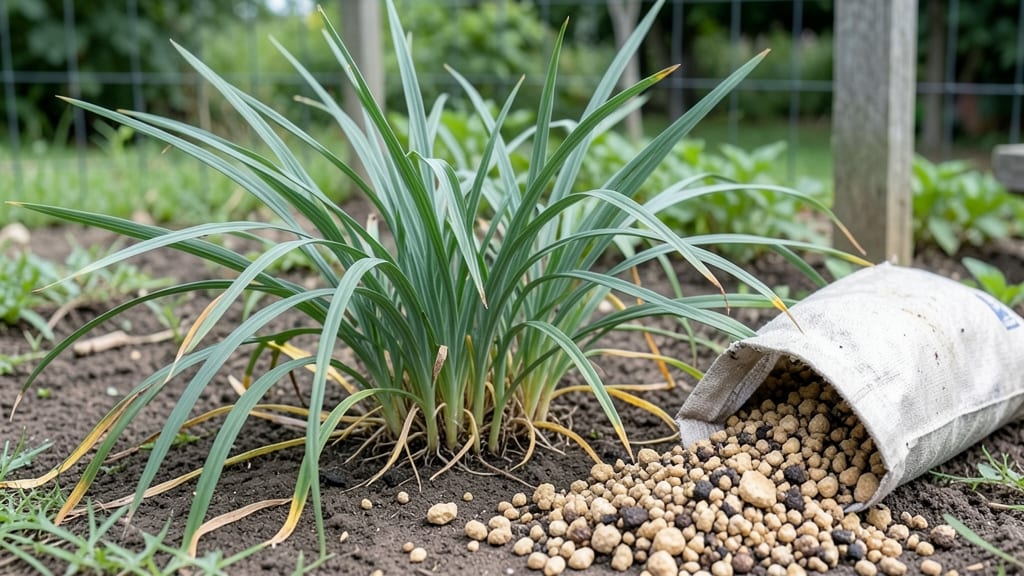
Lemon grass fertilizer enhances plant growth by delivering potassium-rich nutrients, though homemade blends must include nitrogen, phosphorus, and trace minerals to avoid soil acidity imbalances. For best results, apply diluted compost tea or citrus peel compost every 4-6 weeks.
Lemon grass thrives when fed a nutrient mix that mirrors its natural preferences—especially potassium, which strengthens stems and supports root development. 🌱 The challenge with homemade fertilizers lies in balancing pH levels; too much citrus can acidify soil, while insufficient nitrogen slows leafy growth.
I’ve found that blending banana peels (for potassium) with composted leaves (for nitrogen) creates a well-rounded, plant-safe option. Always test soil pH before applying—aim for the 5.5–6.5 range where lemon grass absorbs nutrients most efficiently.
For organic gardeners, the key is consistency. 💛 Split applications into smaller doses (every 6 weeks) rather than overloading at once. Store homemade fertilizers in sealed containers away from direct sunlight to preserve potency.
If you’re growing lemon grass for culinary use, this approach ensures vibrant, flavorful stalks while keeping your garden ecosystem healthy.
💡 In This Article
- How Lemon Grass Absorbs Nutrients from Fertilizer
- DIY Lemon Grass Fertilizer Recipes for Stronger Plants
How lemon grass absorbs nutrients from fertilizer
Lemon grass absorbs nutrients primarily through its fibrous root system, which thrives in slightly acidic soil with a pH range of 5.5–6.5. This acidity level enhances the solubility of key nutrients like potassium and phosphorus, allowing roots to uptake them efficiently.
The plant’s roots secrete organic acids that further mobilize nutrients in the soil, creating a micro-environment ideal for nutrient exchange. 🌱 Unlike many tropical plants, lemon grass doesn’t tolerate alkaline conditions, where nutrient availability drops sharply.
Potassium plays a critical role in lemon grass growth, particularly for stem strength and disease resistance.
When you apply potassium-rich fertilizers (like banana peels or wood ash), the plant converts it into potassium ions (K⁺) that move through its vascular system to areas needing reinforcement—such as new shoots or damaged leaves.
Nitrogen, however, is equally vital for leafy growth; without it, stems become weak and yellowing occurs. The ideal ratio for lemon grass is roughly 3 parts nitrogen to 1 part phosphorus to 2 parts potassium (3-1-2), mimicking its natural habitat’s nutrient balance.
Organic matter like compost or citrus peels decomposes through microbial action, releasing micronutrients (zinc, magnesium, iron) gradually. These microbes thrive in the 5.5–6.5 pH range, breaking down complex compounds into plant-accessible forms.
For example, citrus peels release potassium slowly over 4–6 weeks, while banana peels dissolve faster, providing an immediate boost. Over-acidifying soil (pH below 5.5) can lock out essential nutrients like calcium and magnesium, stunting growth despite high potassium levels.
Here’s what happens when you get the balance right: Lemon grass roots develop a dense network of fine hairs that maximize surface area for nutrient absorption.
The plant’s high water content (about 80% of its fresh weight) also helps transport dissolved nutrients upward efficiently. 💫 This is why consistent, balanced fertilization—rather than sporadic heavy doses—yields stronger, more flavorful stalks. Think of it like a well-tuned engine: the right fuel mix (nutrients) keeps everything running smoothly.
One common mistake is assuming "more is better" with citrus-based fertilizers. While lemon grass loves potassium, excessive citrus peels can acidify soil beyond 5.5 pH, making nutrients like phosphorus unavailable.
To prevent this, always mix organic amendments with composted materials (like leaf mold) to buffer pH. For instance, a 1:1 ratio of citrus peels to compost maintains the ideal range while delivering nutrients steadily.
For gardeners, this means monitoring soil pH regularly and adjusting fertilizers accordingly. A simple DIY test—using baking soda and vinegar—can reveal pH levels before applying treatments.
Lemon grass’s ability to absorb nutrients efficiently also explains why it’s drought-tolerant once established: its roots conserve water while continuing to uptake dissolved minerals from the soil. This dual adaptation makes it a low-maintenance yet high-reward plant for home gardens. ✨