
Lawn
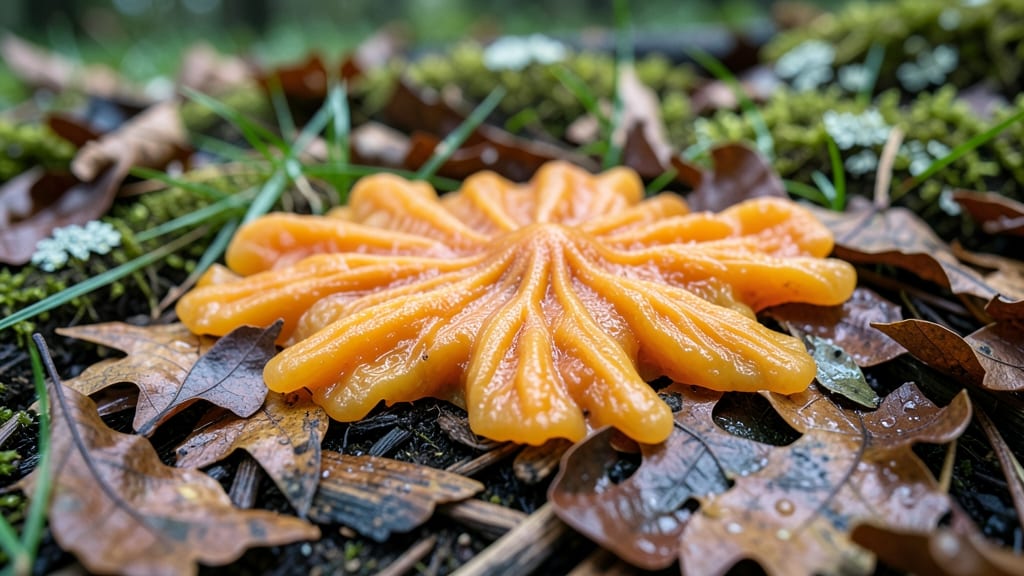
That grayish slime oozing across your lawn isn’t just ugly—it’s slime mold, and it’s stealing your grass’s spotlight. 🌱 I’ve battled this slimy invader for years, and I’ve learned the organic tricks that actually work without harsh chemicals.
The key is understanding why it shows up in the first place, then hitting it with the right mix of drying, raking, and prevention.
Slime mold thrives when your lawn stays damp for too long, especially after heavy dew or rain. It feeds on decaying organic matter, so thick thatch or fallen leaves just make it worse. The good news?
You don’t need toxic sprays—just a few simple steps to starve it out. Start by raking up the affected areas when the mold is dry, then let the sun do its work.
Once you’ve cleared it, focus on keeping your lawn healthy so slime mold doesn’t return. Aerate compacted soil, adjust your watering schedule to avoid overnight sogginess, and mow high to encourage thick grass that outcompetes mold.
Within a few weeks, your lawn will bounce back greener and more resilient than ever.
This method works for all types of slime mold—whether it’s the bright orange puffballs or the grayish slimy patches. The secret is consistency: tackle it early, and you’ll never see it again. Ready to reclaim your lawn? Let’s get started.
Root Causes Of Lawn Slime
Slime mold on your lawn isn’t just an unsightly nuisance—it’s a sign that your grass is sending out an SOS. These gelatinous blobs thrive when specific conditions align, often tied to moisture, organic matter, and microbial activity.
Understanding why it happens is the first step to preventing it. Below, we break down the key triggers—so you can address them before they turn your lawn into a science experiment gone wrong.
Slime mold spores (Physarum and Fuligo species) love moisture—think of them as nature’s version of a sponge.
When your lawn stays damp for prolonged periods, whether from: - Poor drainage (clay soil, compacted grass, or low-lying areas) - Excessive watering (overhead sprinklers that soak the soil, not just the roots) - Morning dew or rain (especially in shaded or densely thatched areas)
These conditions create the perfect breeding ground. The mold feeds on decaying organic matter (like dead grass clippings or leaf litter) and multiplies rapidly in the film of water clinging to your lawn.
Actionable fix: Improve drainage with aeration or sand top-dressing, and water deeply but less frequently to encourage root growth and reduce surface moisture.
Slime mold feeds on decomposing plant material—think fallen leaves, grass clippings, or even mulch.
If your lawn has: - Thatch layers (a dense mat of dead grass and roots > ½ inch thick) - Leaf litter or compost piles near the grass - Over-fertilized grass (excess nitrogen = more food for mold)
The mold uses enzymes to break down this organic matter, forming its signature slimy networks. A thick thatch layer traps moisture and debris, creating a slime mold paradise.
Actionable fix: Dethatch annually (in early fall or spring) and remove leaf litter promptly. Use a sharp mower blade to reduce thatch buildup from clippings.
Healthy soil has a delicate ecosystem of bacteria, fungi, and beneficial microbes. But when the balance tips—often due to:
- Chemical fertilizers or pesticides (disrupting natural microbial communities)
- Compacted soil (reducing oxygen and beneficial microbial activity)
- Lack of organic matter (like compost or worm castings)
Slime mold can dominate, especially if competitive microbes are suppressed. Think of it like an unchecked weed in a garden—it fills the void left by weaker players.
Actionable fix: Test your soil’s pH and microbial health, then amend with compost or mycorrhizal fungi. Avoid synthetic chemicals and opt for organic lawn care instead.
Slime mold adores shaded lawns because:
- Less sunlight = slower grass growth = more dead organic matter to feed on.
- Thatch accumulates faster in shady areas (since grass grows slower and sheds more).
- Moisture lingers longer (shade reduces evaporation).
If your lawn has patches under trees or buildings, you’re in the slime mold danger zone.
Actionable fix: Thin out dense shade with strategic pruning or plant shade-tolerant grass varieties (like fine fescue). Improve airflow with vertical mowing or aeration.
Slime mold often spikes in:
- Spring (after winter’s damp conditions and thawing soil)
- Fall (cool, wet weather + decaying summer grass)
- After heavy rain (even in summer, if humidity is high)
These seasons create the "perfect storm" of moisture, temperature, and organic fuel for slime mold.
Actionable fix: Stay vigilant in spring/fall by raking up debris and ensuring proper drainage before mold appears. Use a leaf blower to clear clippings post-mow.
Quick Fixes for Lawn Fungus
Slime mold on your lawn might look like a slimy, alien invasion, but don’t panic—it’s usually harmless and temporary. With the right approach, you can restore your lawn to its lush, green glory in no time.
Below are practical, organic solutions tailored to the root causes of slime mold outbreaks, along with prevention tips to keep your lawn healthy long-term.
Slime mold thrives in damp, shaded conditions, so the first step is to reduce moisture and improve airflow.
How to Fix It:
- 🔥 Stop watering until the mold disappears – Overwatering is the #1 culprit. Let the top inch of soil dry out before watering again.
- 🍳 Adjust your watering schedule – Water deeply but less frequently (early morning is best). Aim for ½ to 1 inch per week, including rain.
- 👨🍳 Rake or drag a hose – Gently break up the mold with a rake or drag a garden hose over the affected area to scrape it off and expose dry soil underneath.
- 🥘 Increase sunlight exposure – Trim overhanging branches or thin dense shrubs to let more sunlight reach the lawn.
💡 Prevention Tip: Install a soil moisture sensor to avoid overwatering. A healthy lawn should have good drainage—if water pools after rain, consider aerating or amending the soil with compost.
Slime mold feeds on decaying organic matter, so removing food sources is key.
How to Fix It:
- 🔪 Remove fallen leaves, thatch, and clippings – Use a leaf blower or rake to clear debris from the lawn.
- ⏰ Sweep or hose down hard surfaces – If mold appears on patios, sidewalks, or decks, scrub with a vinegar-water mix (1:1 ratio) or a baking soda paste.
- 🌡️ Compost affected grass clippings – If you bag the moldy clippings, do not compost them—they can reinfect your garden.
🎯 Prevention Tip: Mow regularly and bag clippings if your lawn tends to thatch heavily. A sharp mower blade prevents tearing grass, which reduces thatch buildup.
Slime mold loves humidity, so improving ventilation helps it dry out faster.
How to Fix It:
- 💨 Use a leaf blower or fan – Direct airflow over the mold to speed up evaporation.
- 🌿 Thin out dense grass patches – Overseed bare spots and aerate compacted soil to improve airflow.
- ✨ Consider a lawn dehumidifier – For severe cases, a portable dehumidifier near the lawn can help in humid climates.
🔥 Prevention Tip: If your yard is prone to mold, plant drought-tolerant grasses like tall fescue or Bermuda grass, which handle moisture better.
If you prefer non-toxic solutions, these methods work well:
| Method | How to Use | Best For |
|---|---|---|
| Hydrogen Peroxide (3%) | Spray lightly on mold, let sit for 10 mins, then rinse. | Small patches, sidewalks |
| Baking Soda Paste | Mix with water, apply with a brush, scrub, and rinse. | Hard surfaces, decks |
| Cornmeal | Sprinkle lightly over the lawn—it starves mold spores. | Prevention, organic lawns |
| Neem Oil Spray | Mix 1 tbsp neem oil + 1 tsp soap in 1 quart water, spray (avoid direct sun). | Fungal prevention |
⚠️ Warning: Avoid bleach or harsh chemicals—they can harm grass roots and soil microbes.
Once you’ve treated the mold, stop it in its tracks with these habits:
- 📊 Test your soil – Adjust pH (ideal: 6.0–7.0) and nutrients to prevent stress.
- 💪 Fertilize properly – Over-fertilizing encourages thick thatch; use a slow-release organic fertilizer.
- 🥗 Mow high (3–4 inches) – Taller grass shades out weeds and reduces moisture loss.
- 🍎 Avoid walking on wet grass – Compacted, damp turf is a mold magnet.
Slime mold may be unsightly, but with these simple, organic fixes, your lawn will bounce back faster than you think. The key is drying it out, cleaning up debris, and improving airflow—no harsh chemicals needed! 🚀
Frequently asked questions
Is slime mold harmful to my lawn or pets?
Slime mold is completely harmless to your grass—it doesn’t damage roots or kill plants. For pets, it’s non-toxic too, though you might want to discourage them from rolling in it (they’ll just get slimy!). The real concern is that it can spread rapidly if left unchecked, so removing it keeps your lawn looking its best.
Why does slime mold keep coming back after I rake it off?
If it keeps returning, your lawn likely has lingering moisture or organic buildup. Check for poor drainage, thick thatch layers, or excessive leaf litter. After raking, focus on improving airflow—try aerating compacted soil or adjusting your watering schedule to reduce overnight dampness.
Can I use vinegar to kill slime mold on my lawn?
Vinegar works on hard surfaces (like patios) but can harm grass if used directly. For lawns, stick to raking when dry or using a 1:1 vinegar-water mix only on sidewalks. Instead, prioritize drying out the area and removing food sources (like thatch) to prevent regrowth.
What’s the fastest way to dry out slime mold?
Sunlight is your best ally! Rake up the mold when it’s dry, then use a leaf blower or fan to circulate air. Avoid watering until the affected area is completely dry—usually 2-3 days of warm, breezy weather does the trick. For shaded lawns, consider trimming nearby branches to boost sunlight exposure.
Will cornmeal really prevent slime mold?
Yes! Cornmeal is a natural fungicide that starves mold spores by disrupting their food supply. Sprinkle ½ cup per 100 sq ft lightly over your lawn after mowing, then water lightly. It’s especially effective in prevention—use it in spring/fall when mold is most likely to appear.