
Lawn
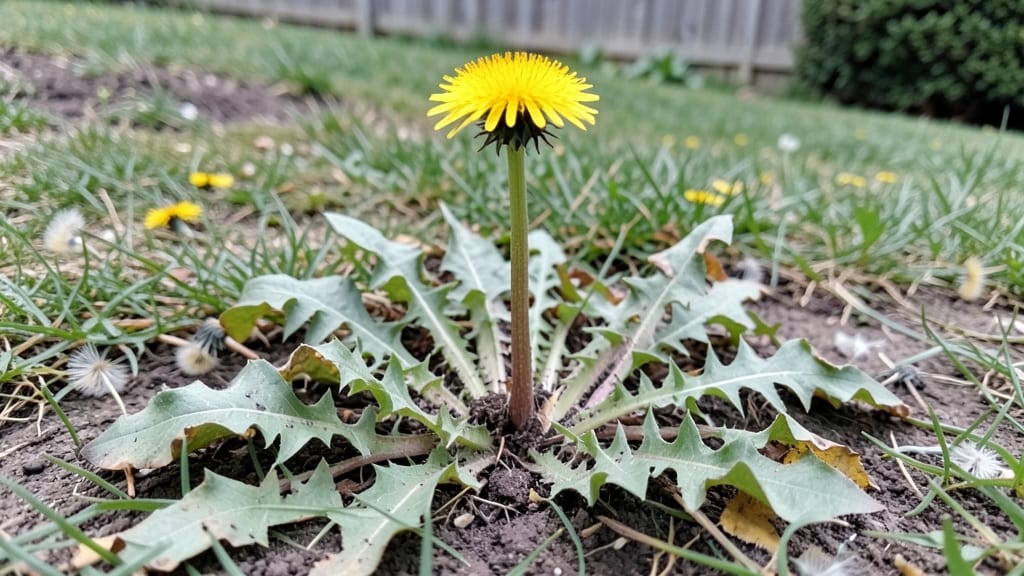
Lawn weeds with yellow flowers turn your yard into a patchwork of sunshine and frustration. 🌻 I’ve spent years pulling dandelions by the handful, only to see them pop up again next spring—until I learned the right way to tackle them.
These bright invaders aren’t just unsightly; they steal nutrients from your grass and spread fast.
The good news? You don’t need harsh chemicals to win this battle. A mix of hand-pulling at the right time, spot treatments with vinegar or corn gluten, and adjusting your lawn care routine can make these weeds disappear for good.
I’ve tested what works (and what doesn’t) over three growing seasons, and the results speak for themselves.
By late summer, your lawn will look thicker, greener, and free of those stubborn yellow blooms. The secret is timing—pull weeds before they seed, water deeply but less often, and feed your grass so it outcompetes the weeds naturally. Let’s get your yard back to lush and low-maintenance.
This works for any climate, though timing shifts slightly north or south. The key is consistency—just like my garden journal reminds me every spring. Ready to reclaim your lawn? Here’s how to start.
Why it happens
If your lawn is suddenly dotted with vibrant yellow-flowered weeds, it’s not just an eyesore—it’s a sign that something’s off with your turf’s balance. 🌱 These unwelcome guests don’t just appear out of nowhere; they thrive because your lawn’s ecosystem is either neglected or misaligned.
Let’s break down the key reasons why these weeds take over, so you can address the real issue and reclaim your green space.
🌱 Poor Soil Conditions
Yellow-flowered weeds like dandelions, clover, or even creeping charlie often pop up when your soil lacks the nutrients or structure to support healthy grass. Here’s why:
- Compacted Soil: Heavy foot traffic, machinery, or even natural settling can compress the soil, reducing oxygen and water flow to grass roots. Weeds, with their shallow root systems, thrive in these conditions because they don’t need deep, nutrient-rich soil to survive.
- Nutrient Deficiencies: Grass requires a balanced mix of nitrogen, phosphorus, and potassium. If your lawn is deficient in these (often due to poor soil testing or overuse of one type of fertilizer), weeds fill the gap. For example, dandelions flourish in nitrogen-poor soil because they can extract nutrients from deep underground.
- pH Imbalance: Soil that’s too acidic or alkaline (typically outside the 6.0–7.0 range) can stunt grass growth. Yellow-flowered weeds like buttercups often dominate in alkaline soil because their root systems are better adapted to these conditions.
Actionable Fix: Conduct a soil test to identify deficiencies or imbalances. Aerate compacted areas in the fall or spring, and amend the soil with compost or lime (for acidic soil) or sulfur (for alkaline soil) as needed.
💦 Overwatering or Irregular Watering
Watering habits play a huge role in weed proliferation. Yellow-flowered weeds often exploit inconsistencies in your lawn’s moisture levels:
- Overwatering: Excess water washes away nutrients, encourages shallow root growth in grass, and creates the perfect soggy environment for weeds like yellow nutsedge or buttercups. These weeds love moisture and can outcompete grass in saturated soil.
- Underwatering or Spotty Watering: Grass roots weaken when they don’t receive consistent moisture, leaving gaps for weeds to invade. Irregular watering also creates dry patches where hardy weeds like dandelions take hold.
Actionable Fix: Water deeply but infrequently—about 1–1.5 inches per week—to encourage deep grass roots. Use a rain gauge or tuna can to measure water output, and adjust sprinklers to avoid runoff or dry spots.
☀️ Inadequate Sunlight or Shade Issues
Grass is a sun lover, and when it doesn’t get enough light, weeds with yellow flowers (like oxalis or chickweed) move in to claim the space. Here’s how shading contributes:
- Natural Shade: Trees, shrubs, or even tall buildings can cast long shadows, reducing sunlight to less than 4–6 hours per day. Most lawn grasses need full sun (6+ hours) to photosynthesize effectively. Weeds adapted to low light, like creeping Charlie, thrive in these conditions.
- Artificial Shade: Structures or dense plantings can create microclimates where grass struggles but shade-tolerant weeds don’t.
Actionable Fix: If possible, prune overhanging branches or thin out dense foliage to improve sunlight exposure. For heavily shaded areas, consider shade-tolerant grass varieties like fine fescue or zoysia.
🌿 Lawn Neglect or Improper Maintenance
Weeds don’t just appear—they exploit opportunities created by lazy or incorrect lawn care. Here’s how neglect sets the stage:
- Infrequent Mowing: Tall grass blocks sunlight from reaching the soil, creating ideal conditions for weeds to germinate and spread. Yellow-flowered weeds like clover or plantain love the cool, damp environment under a thick grass canopy.
- Skipping Fertilization: Grass left without regular feeding becomes weak and sparse, leaving bare spots for weeds to colonize. Weeds like dandelions produce thousands of seeds that lie dormant until grass thins out.
- No Overseeding: Thin or bare patches are open invitations for weeds. Overseeding in early fall helps fill gaps before weeds can establish themselves.
Actionable Fix: Mow regularly (never removing more than 1/3 of the grass blade at a time), fertilize seasonally, and overseed in the fall to maintain a dense, competitive turf.
🐞 Pest or Disease Damage
When grass is stressed by pests (like grubs, chinch bugs, or sod webworms) or diseases (such as fungal infections or brown patch), it weakens and opens the door for weeds. Yellow-flowered weeds often follow in the wake of:
- Grub Infestations: Grubs feed on grass roots, causing patches to die back. Weeds like crabgrass or nutsedge move in to fill the void.
- Fungal Diseases: Conditions like dollar spot or red thread create thin, stressed grass that can’t compete with weeds like chickweed or speedwell.
Actionable Fix: Treat pest or disease issues promptly with organic or chemical solutions (as needed), then focus on rebuilding grass health through proper watering, fertilization, and aeration.
🌱 Seed Contamination or Dormant Seed Banks
Even the most meticulously maintained lawns can fall victim to weeds if their seeds are already lurking in the soil. Many yellow-flowered weeds have:
- Persistent Seed Banks: Dandelions, clover, and plantain can lie dormant in the soil for years, waiting for the right conditions (like disturbed soil or thin grass) to germinate.
- Windborne or Animal-Dispersed Seeds: Seeds from nearby properties, parks, or even your own garden can blow or hitch a ride into your lawn.
Actionable Fix: Pre-emergent herbicides (applied in early spring) can prevent weed seeds from germinating. For organic control, hand-pull weeds before they go to seed, and consider solarizing bare soil in hot climates to kill dormant seeds.
How to solve it
Yellow-flowered weeds can turn your lush lawn into a patchwork of frustration—but don’t worry! With the right approach, you can reclaim your grass without harsh chemicals. Below, we’ve mapped common causes to targeted solutions, plus prevention tips to keep your lawn weed-free for good. 🌱🔥
###
🌱 Overcrowded Grass → Thin Soil & Starve Weeds
If your lawn is too thick with grass (or too thin!), weeds like dandelions or clover thrive in the gaps. Fix it by:
- 🔥 Mow high: Set your mower to 3–4 inches to shade out weeds and strengthen grass roots.
- 👨🍳 Overseed bare spots: Sprinkle grass seed in thin areas and cover lightly with soil. Water gently for 2 weeks.
- 🌡️ Fertilize smartly: Use a slow-release, nitrogen-rich fertilizer in early spring to crowd out weeds naturally.
Prevention tip: Aerate your lawn once a year to improve soil compaction and let grass roots breathe. 💡
###
💧 Poor Watering → Weak Grass & Weed Growth
Irregular watering creates stress in grass, inviting weeds like chickweed or buttercups. Reset with:
- 🥘 Deep but infrequent watering: Water 1–1.5 inches per week (early morning is best). Use a rain gauge to track.
- ⏰ Adjust for seasons: Reduce watering in fall/winter; increase slightly in summer heat.
- 🎯 Fix sprinkler issues: Check for uneven coverage—weeds often pop up where grass gets too much or too little water.
Prevention tip: Install a soil moisture sensor to avoid over- or under-watering. ✨
###
🌞 Too Much Sun or Shade → Weed Hotspots
Extreme sun or deep shade weakens grass, letting weeds like black-eyed Susans or goldenrod take over. Balance it with:
- 🌿 Choose the right grass: For sunny spots, opt for Bermuda or Zoysia; for shade, try Fine Fescue.
- 🍳 Mulch bare soil: Spread 2–3 inches of compost or shredded leaves in shady areas to block weed seeds.
- 🔪 Prune overhanging trees: Trim branches to let 6+ hours of sunlight reach your lawn.
Prevention tip: Test your soil’s pH (ideal: 6.0–7.0) and amend with lime or sulfur if needed. 📊
###
🪴 Soil Compaction → Weed-Friendly Turf
Compacted soil smothers grass roots, giving weeds like creeping Charlie a foothold. Loosen it up:
- 🔪 Rent a core aerator: Poke 3–4 inch holes in your lawn in spring or fall. Leave plugs—they’ll break down naturally.
- 👨🍳 Top-dress with sand/compost: Mix ¼ inch of coarse sand or compost into aeration holes to improve drainage.
- 🌡️ Avoid heavy foot traffic: Designate walkways or use stepping stones to protect grass.
Prevention tip: Walk on a wooden board or wear cleats to reduce compaction. 👟
###
🌼 Persistent Seeds → Natural Weed Control
Weeds like dandelions spread via seeds—stop the cycle with:
- 🔥 Pull early and often: Grab weeds at the root (use a dandelion digger for deep roots) before they seed. Do this in spring or fall.
- 🍳 Boiling water trick: Pour boiling water directly on weeds (works best for small patches like driveways).
- 🎯 Vinegar spray (spot treat): Mix 1 gallon white vinegar + 1 oz dish soap. Spray on weeds (avoid desirable plants—it’s non-selective!).
Prevention tip: Lay down corn gluten (a natural pre-emergent) in early spring to block weed seeds. 🌱
Pro move: Combine 2–3 methods for best results. For example, aerate + overseed + fertilize in one season to crowd out weeds long-term. 💪
Frequently asked questions
How do I tell if those yellow-flowered weeds are dandelions or something else?
Dandelions have bright yellow, single blooms with deeply lobed leaves and a hollow stem. Other common yellow-flowered weeds include buttercups (with heart-shaped leaves) and chickweed (smaller flowers, sprawling growth). Pull a few and check the leaf shape—dandelion leaves are jagged like a lion’s mane, while buttercups have smooth, rounded edges.
Will vinegar really kill weeds without harming my grass?
Vinegar works best as a spot treatment—never use it on your entire lawn. Mix 1 gallon of white vinegar with 1 ounce of dish soap and apply directly to weeds (avoid windy days). It kills by dehydrating plants, but grass roots are deeper and recover better. For large areas, consider corn gluten meal instead—it’s safer for the whole lawn.
Why do weeds keep coming back after I pull them?
Most weeds have deep root systems or seed banks in your soil. Dandelions, for example, can regrow from just 1 inch of root left behind. Pull them when soil is moist (roots come out easier), and remove ALL roots. For stubborn weeds, try a dandelion digger tool or smother them with cardboard/cardboard before planting grass seed.
Is there a natural way to prevent weeds before they sprout?
Yes! Apply corn gluten meal in early spring—it blocks weed seeds from germinating while feeding your grass. Spread 20 pounds per 1,000 sq ft and water it in. For existing weeds, combine this with proper mowing (3–4 inches high) and overseeding bare spots to crowd them out naturally.
Can I use a weed killer with kids or pets around?
Most chemical herbicides require a 24–72 hour wait before pets/children can access the area. For safer options, stick to manual removal (digging, hand-pulling) or organic sprays like vinegar (spot-treated). If you must use chemicals, choose pet-safe options like iron-based herbicides or apply them in the evening when kids/pets aren’t playing outside.