
Lawn
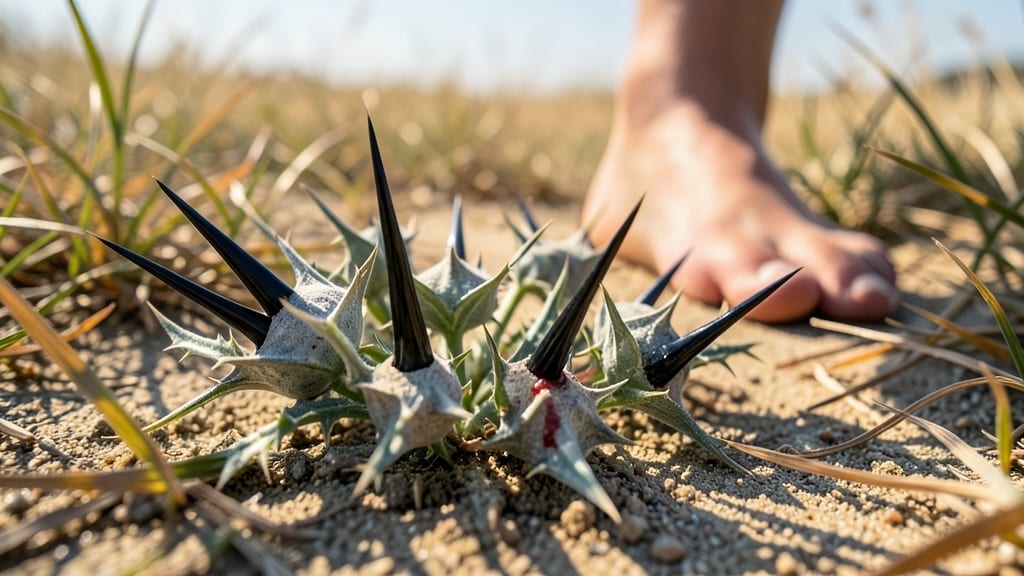
Dealing with painful, prickly weeds in your lawn? These 10 common offenders cause discomfort and damage—learn how to identify and remove them without gloves or long sleeves. Effective solutions for each type ensure your yard stays safe and beautiful.
Stinging Nettle Identification and Control
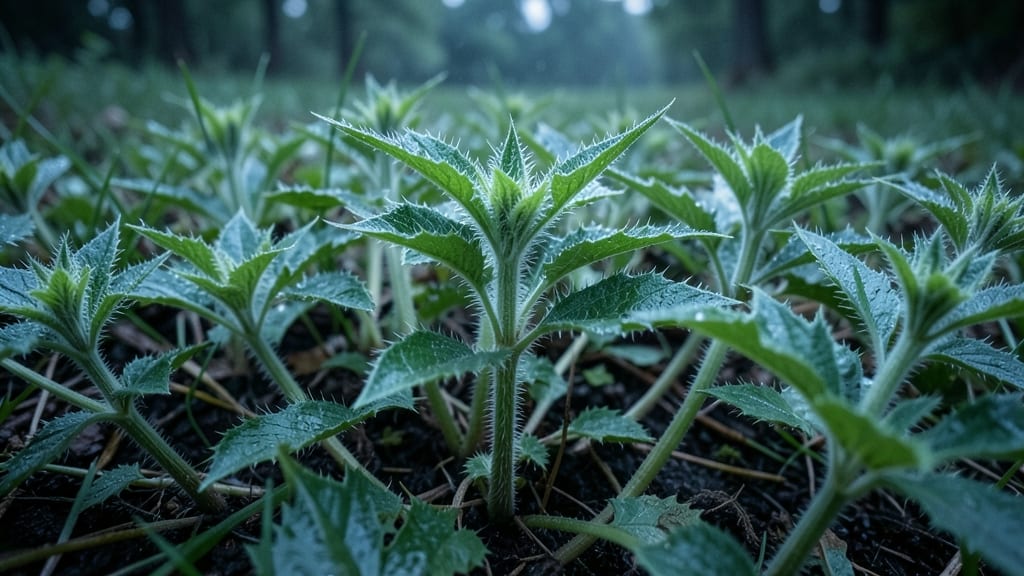
If you’ve ever brushed against a patch of stinging nettle and instantly regretted it, you know this weed isn’t just a nuisance—it’s a painful invader. Its needle-like hairs release a chemical that causes an itchy, burning rash, and once it takes root in your moist, shady lawn, it spreads aggressively, choking out grass and other plants.
To identify it, look for serrated, heart-shaped leaves growing in clusters along a square stem. The plant thrives in damp, poorly drained areas and can reach heights of 3-4 feet if left unchecked. For control, wear thick gloves and long sleeves, then either dig out the entire root system (including underground runners) or smother it with thick cardboard or mulch for several weeks. Repeat treatments may be necessary, as even small root fragments can regrow.
This weed is especially problematic for urban gardeners and those with shady lawns, but the good news is that with persistent removal, you can reclaim your space. Don’t let its painful reputation scare you—action is the best defense! 💪
Cactus Weed Removal Techniques
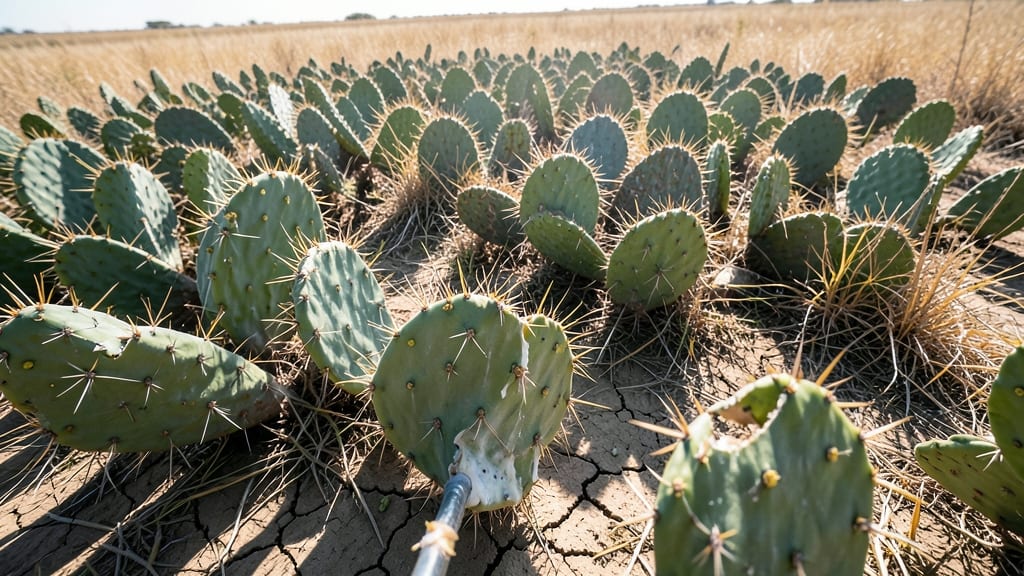
If your sunny lawn is overrun with prickly pear cactus or other invasive cactus species, you’re not alone—these spiky intruders can turn mowing into a nightmare and pose risks to pets. Unlike most weeds, cacti thrive in dry, sunny conditions, making them a persistent problem in drought-tolerant landscapes.
Start by removing the roots completely—simply cutting the pads leaves behind aggressive root systems that regrow. Use a shovel or weed wrench to dig out the entire plant, including the taproot, to prevent regrowth. For larger patches, apply a glyphosate-based herbicide (like Roundup) directly to the pads, ensuring full coverage. Always wear long sleeves, gloves, and eye protection—those spines don’t play nice!
Once removed, smother the area with cardboard or landscape fabric to block sunlight and prevent new growth. This method is ideal for urban gardeners or homeowners with pets, as it eliminates the hazard while restoring your lawn’s safety and beauty. 🌻
Goose Grass Elimination Methods
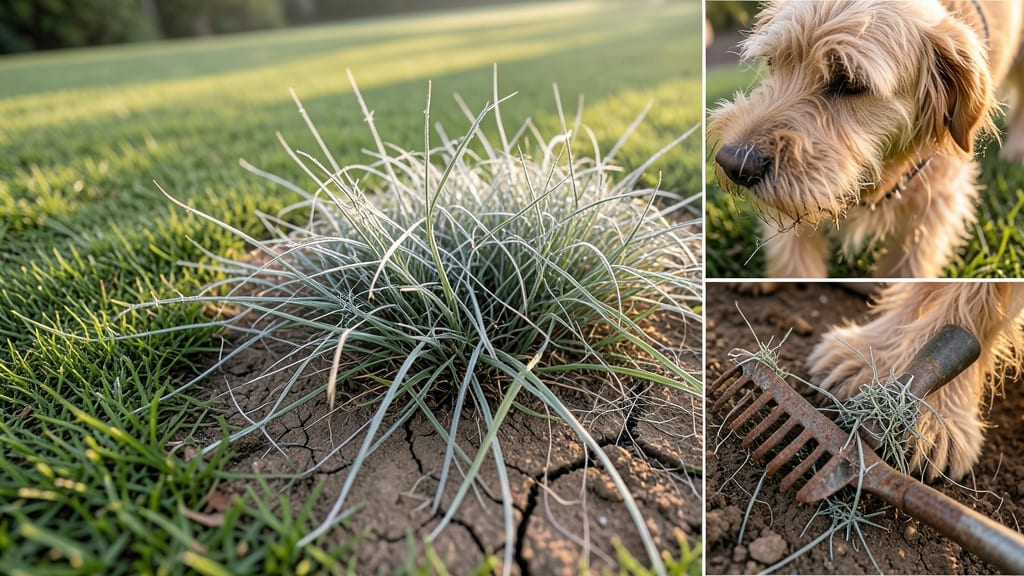
Tired of tiny, invisible weeds that turn your lawn into a Velcro trap for pet fur and garden tools? Goose grass spreads faster than a summer weed patch and leaves behind itchy reminders of its presence—those microscopic barbs cling to everything.
This annual weed thrives in compacted or disturbed soil, making it a common nuisance after construction or foot traffic. Your best defense is a two-pronged approach: smothering with thick mulch or cardboard (blocks sunlight) and hand-pulling before seeds form. For stubborn patches, spot-treat with a glyphosate-based herbicide—but avoid overspraying desirable plants. Timing is key: remove before seeds mature in late summer.
Urban gardeners and pet owners will appreciate this method most—it keeps your lawn safe for bare feet while preventing the weed from hitching rides on your clothes. 🌱
Thistle Weed Eradication Guide
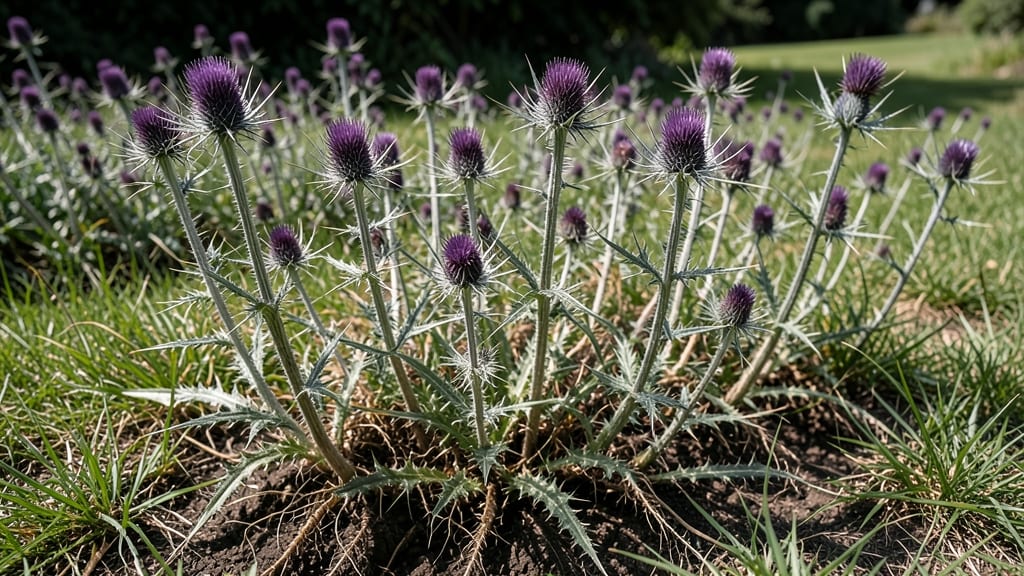
If your lawn is overrun by tall, spiky thistles, you’re not alone—these deep-rooted weeds thrive in neglected areas and resist easy removal. Their purple blooms and needle-like spines make them both unsightly and painful to handle, but with the right approach, you can reclaim your yard.
Start by cutting the plants down at the base to weaken them before digging out the deep taproots with a garden fork or shovel. For stubborn patches, apply a targeted herbicide containing glyphosate or triclopyr—just be sure to follow label instructions carefully. Replant the area with dense ground cover like clover or creeping thyme to prevent regrowth.
This method works best for gardeners dealing with overgrazed or disturbed lawns, where thistles often take over. With persistence, you’ll restore your yard to a thistle-free paradise. 🌟
Bristly Oxtongue Control Tips
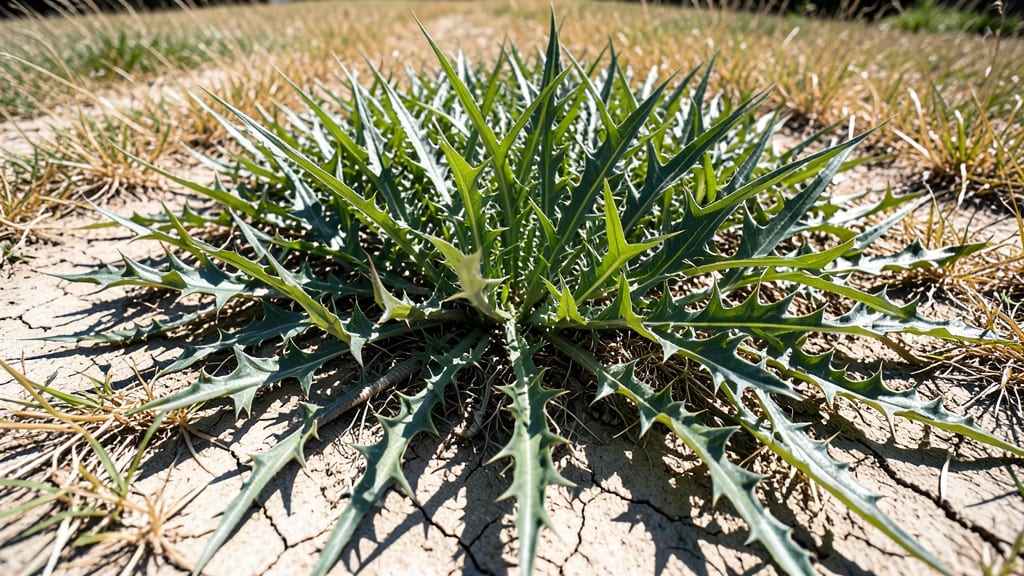
If your lawn has jagged-edged leaves that feel like walking on razor blades, you’re likely dealing with bristly oxtongue—a sneaky perennial that thrives in dry, sunny spots and spreads aggressively underground. Unlike other prickly weeds, its sharp leaves can cut skin, making removal a painful chore if you’re not careful.
This weed’s secret weapon is its underground runners, which can regrow from even small root fragments. For effective control, dig out the entire root system (including runners) using a dandelion digger or pruning shears—never pull by hand to avoid breaking roots. Apply vinegar-based herbicide (20-30% acetic acid) directly to the foliage for chemical-free suppression, reapplying every 2-3 weeks until the plant wilts. Solarization works too: cover the area with clear plastic for 4-6 weeks in peak summer heat to kill roots.
Homeowners with sandy or rocky soil in full sun should monitor for regrowth, as bristly oxtongue often returns. Prevent future invasions by overseeding with dense grass varieties like tall fescue or ryegrass, which outcompete it for space. 💪
Hogweed Removal Without Gloves
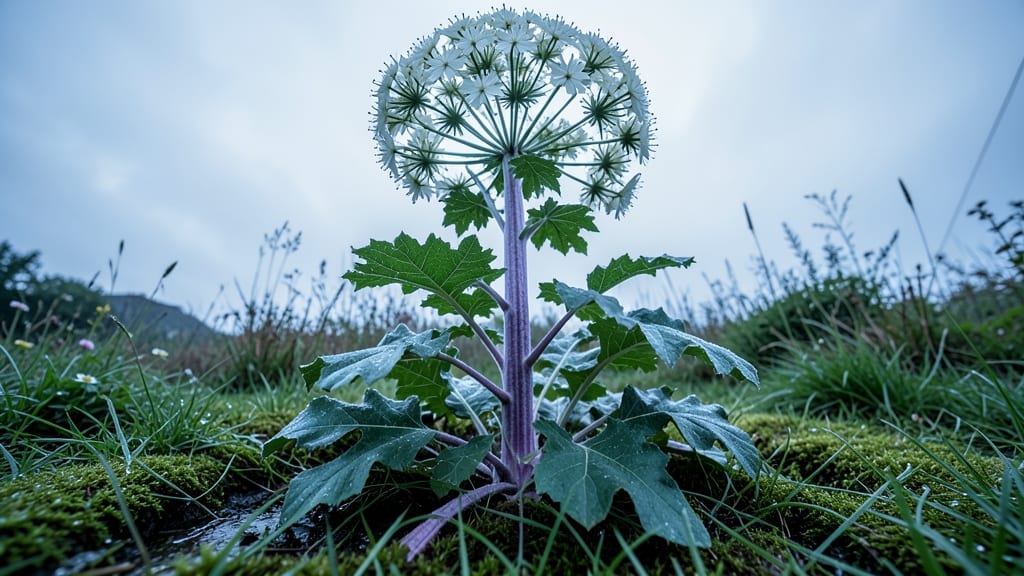
If you’ve spotted towering hogweed along your property lines or in damp patches of your lawn, don’t panic—you can remove it safely without gloves. This toxic giant (reaching up to 14 feet!) contains phototoxic sap that causes painful burns when exposed to sunlight, but a few smart steps will keep you protected while eliminating it.
Start by wearing long sleeves and pants, then use a sharp shovel or spade to cut the plant at the base—never pull, as broken stems release more sap. For small patches, smother the area with cardboard or thick mulch for 3-4 months to starve the roots. If hogweed is widespread, apply a glyphosate-based herbicide in late summer when the plant is actively growing, following label instructions carefully.
This method is ideal for homeowners dealing with damp, disturbed lawns or fence lines where hogweed thrives. A little caution goes a long way in keeping your yard—and your skin—safe from this troublesome invader. ✨
Scotch Thistle Prevention Strategies
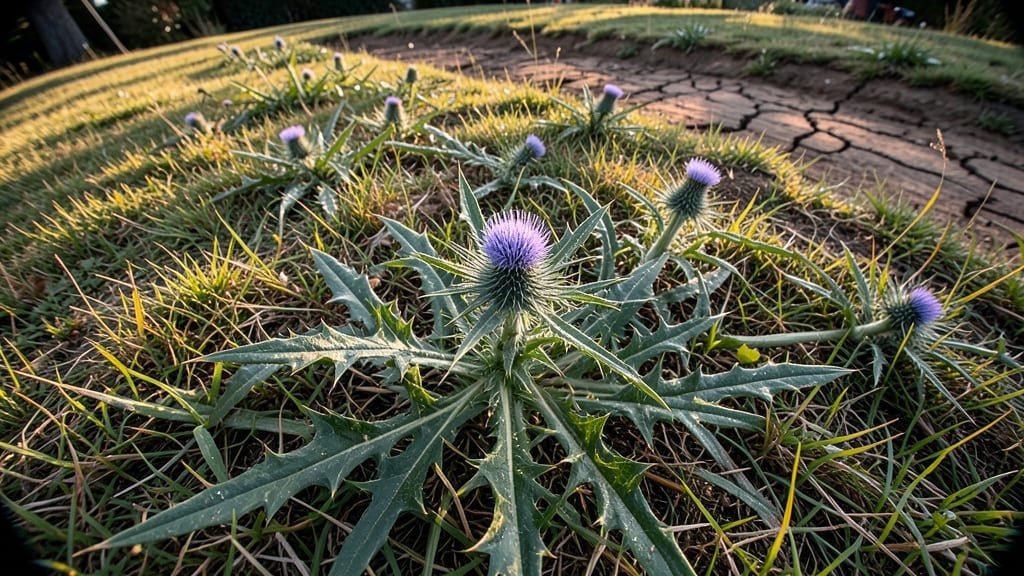
If your lawn feels like a prickly battlefield every time you mow, Scotch thistle might be the culprit. Unlike other thistles, this deep-rooted invader thrives in poor soil, resists herbicides, and spreads aggressively when ignored—making it a nightmare for neglected lawns.
Start by cutting flower heads before they release seeds, then use a dandelion digger to remove roots (they can grow up to 2 feet deep!). For stubborn patches, apply glyphosate-based herbicides in late summer when the plant is actively growing, but always follow label instructions. Prevention is key: overseed bare spots and maintain healthy turf to crowd out new growth.
This strategy works best for homeowners dealing with overgrown or poorly maintained lawns where thistles exploit weak spots. A little persistence now saves hours of painful removal later! 💪
Burweed Control in Lawns
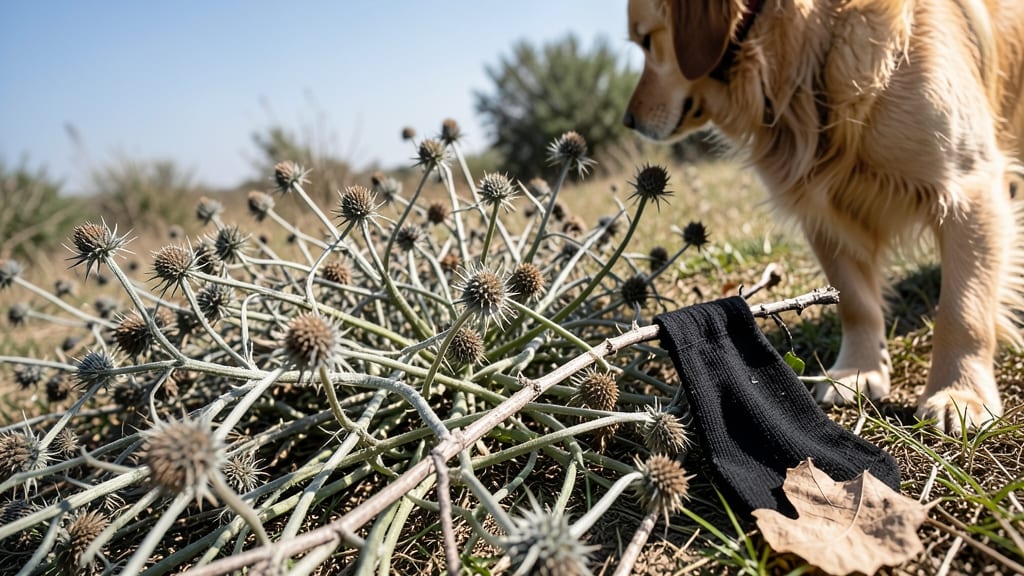
Tired of finding spiky seed pods stuck to your socks or your dog’s fur after a walk? Burweed is the culprit—this annual weed thrives in warm, dry climates and spreads like wildfire if you don’t act fast.
Burweed’s most notorious feature is its clinging seed pods, which latch onto clothing, pet fur, and even mower blades. The key to control is timing: pull young plants by hand (wear gloves!) or use a selective herbicide labeled for broadleaf weeds before seeds mature. For stubborn patches, smother with thick mulch or a tarp to block sunlight.
This weed is especially problematic for homeowners in arid regions or those with pets who love to roam. Regular lawn maintenance—like mowing high and watering deeply—helps crowd out burweed before it takes over. 🌱
Russian Knapweed Management
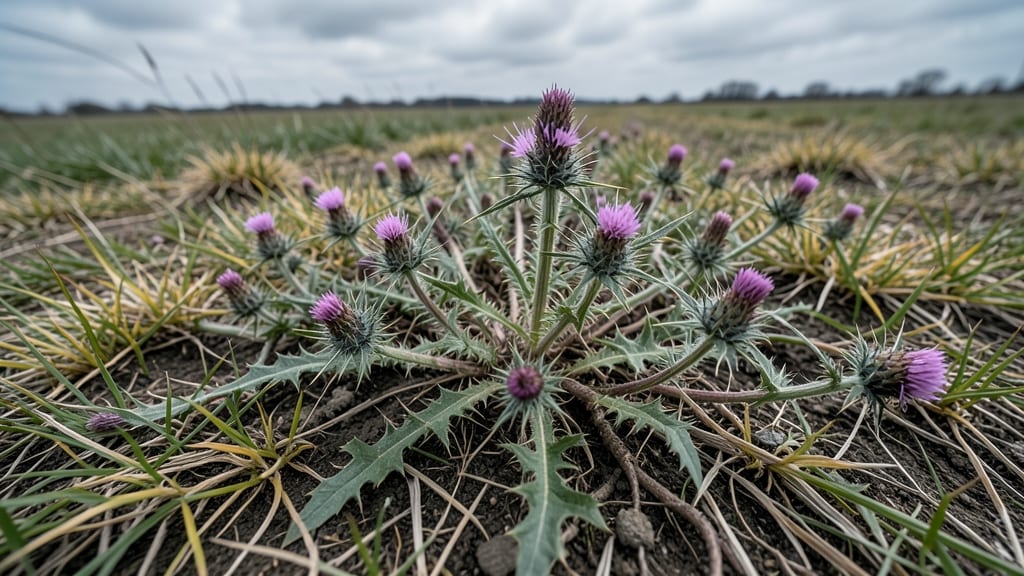
If your lawn has patches where nothing seems to grow—despite your best efforts—Russian knapweed might be the culprit. This invasive perennial doesn’t just take up space; it actively suppresses other plants by secreting a chemical that stunts their growth, making it a sneaky lawn saboteur.
To manage it, focus on early detection (look for its distinctive purple, spiky flower heads in late summer) and mechanical removal before it spreads. Dig out the entire root system—even small fragments can regrow—then smother the area with thick mulch or dense ground cover to prevent regrowth. For stubborn patches, spot-treat with a glyphosate-based herbicide in late fall when the plant stores energy in its roots.
This weed thrives in disturbed soils, so improving your lawn’s health with regular mowing, overseeding, and proper watering can outcompete it naturally. Ideal for gardeners in dry, sunny regions battling invasive species. 💪
Caltrop Weed Extraction Methods

Stepping barefoot on a caltrop weed turns a peaceful lawn stroll into a painful reminder of its presence. These tiny but vicious weeds thrive in sandy or disturbed soil, where their three sharp spines per pod can pierce skin and even pet paws, making removal a priority for safety.
Start by wearing thick gloves and long sleeves to protect yourself. Use a garden fork to loosen the soil around the weed before pulling it out by the roots—caltrops resprout easily if any part remains. For stubborn patches, apply a targeted herbicide containing glyphosate or a vinegar-based solution (3 parts vinegar, 1 part dish soap) to kill the root system. Water the area afterward to help the solution penetrate.
This method is ideal for gardeners in sandy or coastal regions where caltrops thrive, ensuring your lawn stays soft and safe for all. 🌱