
Lawn
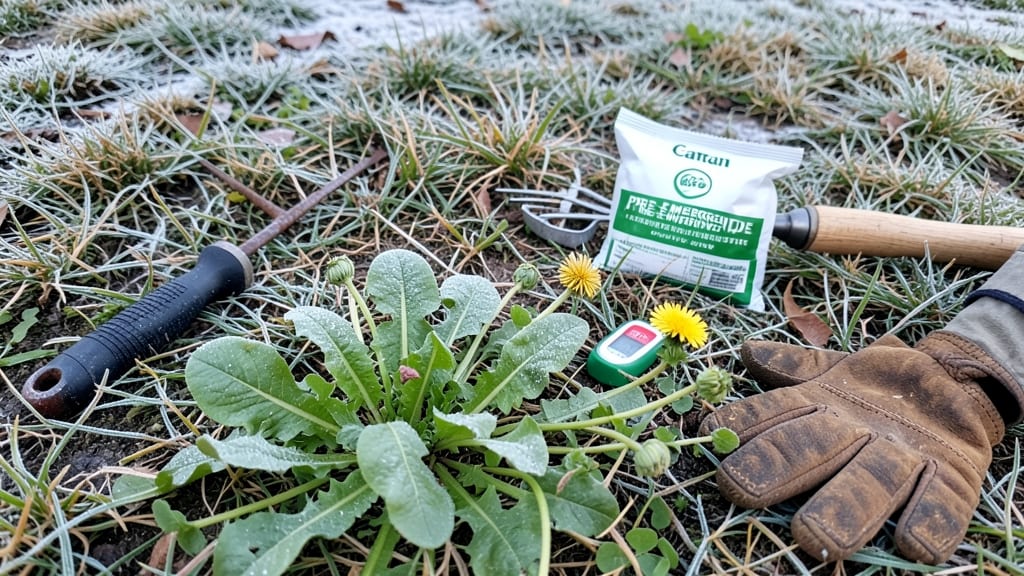
Winter weeds might seem dormant, but they’re actually plotting their spring takeover. 🌱 I’ve battled creeping charlie, dandelions, and crabgrass in my lawn—only to watch them explode in March when I least expect it.
The key to stopping them isn’t just pulling what you see now, but breaking their cycle before they even sprout.
Most winter weeds (like henbit and chickweed) thrive in cold, wet conditions because they’re shallow-rooted and fast-growing. They steal nutrients from your grass, leaving bare spots that invite more weeds.
My lawn went from patchy to lush after I started preventing them with a simple routine: overseeding bare areas in fall, adjusting my mower height, and applying a corn gluten meal in early winter—it’s a natural pre-emergent that blocks weed seeds from germinating.
By spring, you’ll have a lawn so thick and healthy that weeds won’t stand a chance. The secret is consistency: a little effort now saves hours of pulling later. Even my stubborn patches of dandelions (yes, they survive winter) disappear when the grass outcompetes them.
Start with these three steps, and you’ll be the envy of the neighborhood when your lawn greens up first.
Works for any climate, whether you’re dealing with moss in damp winters or cheatgrass in dry ones. The principles are the same: crowd out weeds with strong grass, and they’ll have nowhere to hide. Let’s get your lawn ready for a weed-free spring.
The Hidden Triggers Behind Winter Weeds
Winter may seem like a dormant season for lawns, but it’s actually a prime time for weeds to sneak in unnoticed. Understanding the why behind their persistence helps you outsmart them before spring.
Here’s a breakdown of the key factors that let weeds thrive when temperatures drop—and how they exploit your lawn’s weaknesses.
When frost settles in, your lawn’s grass enters a state of dormancy, slowing its growth and weakening its competitive edge. Weeds, however, often have shallow or deep root systems that adapt differently to cold. Here’s how they gain the upper hand:
- Dormant grass = less competition: Grass stops growing, but many weeds (like henbit, chickweed, and annual bluegrass) continue to spread via seeds or creeping roots.
Without a strong turf barrier, weeds fill the gaps effortlessly. - Soil temperature fluctuations: Even in winter, the top layer of soil can stay warm enough (above 40°F) for weed seeds to germinate.
Weeds like dandelions and creeping charlie take advantage of these microclimates. - Root survival advantage: Some weeds, such as perennial broadleaf weeds, store energy in their roots over winter, allowing them to resprout aggressively as soon as conditions improve.
Actionable insight: If your lawn looks patchy in winter, it’s not just "winter brown"—it’s an invitation for weeds. Overseeding with cold-hardy grass (like ryegrass) can create a denser turf that outcompetes weeds before they germinate.
Winter rains and snowmelt keep the soil saturated, creating the perfect environment for weed seeds lying dormant in the soil. Many weeds have long-lived seed banks that wait for ideal conditions to sprout. Here’s why moisture becomes their ally:
- Stratification triggers germination: Some weed seeds (like foxtails and crabgrass) require a period of cold, moist soil to break their dormancy.
Winter’s wet conditions activate these seeds, priming them to pop up as soon as temperatures rise. - Less evaporation = longer moisture: Unlike summer, when water evaporates quickly, winter’s damp soil stays moist for weeks or months, giving weeds a head start on growth. - Thatch buildup traps seeds: Dead grass, leaves, and debris create a thatch layer that shields weed seeds from light and predators, letting them linger until spring.
Actionable insight: Aerate your lawn in early winter (before heavy frost) to break up compacted soil and improve drainage. This reduces the ideal conditions weeds need to germinate.
Even if your grass is dormant, thin or bare spots act like welcome mats for weeds. Here’s how gaps form—and how weeds exploit them:
- Foot traffic and animal damage: Walked-on areas, pet paths, or wildlife activity compacts soil, preventing grass roots from accessing nutrients and water.
Weeds like clover and ground ivy thrive in these trampled zones. - Disease and fungus: Winter’s damp conditions can reactivate fungal diseases (like snow mold) that kill grass patches.
Weeds move in quickly because they grow faster than recovering grass. - Poor fall lawn care: If you skipped fall fertilization or overseeding, your grass enters winter weaker and more vulnerable. Weeds like annual ryegrass (if not managed) can dominate by spring.
Actionable insight: Conduct a winter lawn inspection—look for thin spots, bare patches, or discolored grass. Apply a winter fertilizer with a pre-emergent (like barley straw) to suppress weed seeds before they sprout.
Weeds are opportunistic, and rapid temperature changes—like warm spells in winter—trick them into germinating too early. Here’s how it works:
- False springs fool seeds: A 50°F day in December can trigger weed seeds (like chickweed) to think spring has arrived.
If a hard freeze follows, the young weeds die back, but their roots may survive to try again. - Perennials store energy: Weeds like dandelions and plantain use winter to replenish their root reserves, making them hardier and faster-growing when temperatures rise. - Snow cover insulates soil: A thick snow blanket can keep soil temperatures stable, allowing weeds to grow slowly but steadily beneath the surface.
Actionable insight: If you notice weeds sprouting during a warm winter week, hand-pull them immediately before they establish roots. This disrupts their life cycle and saves you work in spring.
What you (or don’t) do in late fall directly impacts winter weed problems. Here’s how past mistakes create future headaches:
- Skipped fall aeration: Compacted soil reduces oxygen flow, weakening grass roots and making it easier for weeds to take hold.
- No pre-emergent applied: Many lawns miss the optimal window (late fall to early winter) for applying pre-emergent herbicides that block weed seeds from sprouting.
- Leaving leaf litter unchecked: Thick layers of leaves smother grass and create a dark, moist environment where weeds like henbit thrive.
Actionable insight: Treat October to November as your weed-prevention power month. Aerate, overseed, apply a winterizer fertilizer, and spread corn gluten meal (a natural pre-emergent) to starve weed seeds.
Your lawn isn’t just battling weeds—it’s also a micro-ecosystem where pests and microbes play a role in weed dominance. Here’s how:
- Fewer beneficial microbes: Cold soil slows down mycorrhizal fungi (which help grass roots absorb nutrients), while weeds like creeping charlie have symbiotic relationships with soil microbes that let them outcompete grass.
- Pest pressure shifts: Insects like grubs and chinch bugs may decline in winter, but their damage from fall weakens grass, leaving gaps for weeds.
- Deer and wildlife browsing: Animals often avoid eating dormant grass but happily munch on winter-hardy weeds like clover and plantain, encouraging their spread.
Actionable insight: Boost your lawn’s microbe population with a compost top-dressing in early winter. This strengthens grass roots and makes them more resilient against weed invasion.
Winter weeds aren’t just a spring cleanup problem—they’re the result of dormant grass, moisture, thin turf, temperature tricks, past maintenance oversights, and microbial shifts. By understanding these hidden triggers, you can interrupt the weed life cycle before it starts.
The best defense? A proactive winter lawn strategy that keeps grass competitive and weeds on the run. 🚀
Quick Fixes for Winter Weeds
Winter may seem like a quiet season for your lawn, but weeds like chickweed, crabgrass, and annual bluegrass don’t follow the rules—they thrive in cooler weather. The good news? With the right approach, you can tackle them before spring arrives.
Below are practical, step-by-step solutions tailored to the most common causes of winter weeds, plus prevention tips to keep your lawn lush and weed-free.
If your lawn looks patchy or weeds are popping up right after over-seeding, you might have:
- Uneven seed distribution (thin spots = weed entry points).
- Poor soil contact (seeds didn’t germinate, leaving bare soil for weeds).
- Wrong grass type (cool-season grasses outcompeted, while weeds took over).
How to Fix It:
🔥 🔹 Fill the Gaps Properly
- Rake lightly to loosen soil where weeds are sprouting (avoid scalping the lawn).
- Spread fresh seed (match your existing grass type—e.g., Kentucky bluegrass or fescue for cold climates).
- Top-dress with compost (¼ inch) to improve soil contact and block light from weed seeds.
🍳 🔹 Boost Grass Growth
- Fertilize lightly with a high-nitrogen, slow-release formula (look for 24-0-6 or 30-0-4).
- Water deeply (1 inch per week) to help grass roots outcompete weeds.
👨🍳 🔹 Prevent Future Issues
- Calibrate your spreader before next season to ensure even coverage.
- Test your soil (pH 6.0–7.0 is ideal for most grasses). Adjust with lime (to raise pH) or sulfur (to lower it).
A thick layer of leaves or fallen branches creates a perfect microclimate for weeds like henbit and winter annuals. They block sunlight, trap moisture, and give weeds the upper hand.
How to Fix It: 🔪 🔹 Remove Debris ASAP
Rake or blow off leaves—don’t let them mat down.
A leaf blower with a vacuum function speeds this up. - Mulch leaves finely (if you must leave them) with a mower set high (never let piles exceed 1 inch).
⏰ 🔹 Aerate Compacted Soil
- Rent a core aerator (or hire a pro) to poke holes in compacted areas. This helps grass roots access nutrients and crowds out weeds.
- Top-dress with sand or compost after aerating to improve drainage.
💡 🔹 Pro Tip: > "Don’t bag leaves—mulch them! A thin layer of shredded leaves adds organic matter and suppresses weeds naturally. Just avoid thick piles in one spot."
Cold snaps can shock grass, leaving it weak and vulnerable to weeds like dandelions and plantain. If your lawn looks brown but weeds are green, it’s time to revive the grass before spring.
How to Fix It:
🌡️ 🔹 Winterize Your Lawn
- Stop fertilizing until temps rise above 50°F (10°C)—over-feeding in cold weather burns roots.
- Avoid heavy foot traffic on frozen grass to prevent soil compaction.
💪 🔹 Early Spring Prep (February-March)
- Apply a pre-emergent herbicide (like triclopyr or prodiamine) before weeds sprout. Timing is key—check your product’s label for "dormant season" applications.
- Mow high (3–4 inches) once growth resumes to shade out weeds.
✨ 🔹 Boost Soil Health
- Spread a thin layer of compost (¼ inch) in early spring to feed microbes and improve grass resilience.
- Consider a soil test—low potassium or phosphorus weakens grass, making it prone to weed invasion.
The best "fix" is stopping weeds before they take hold. Use this winter-to-spring checklist to keep your lawn weed-free:
| Task | When to Do It | How to Do It |
|---|---|---|
| Rake leaves weekly | Fall & early winter | Prevent matting; mulch finely if possible. |
| Aerate compacted soil | Late fall or early spring | Rent a core aerator; top-dress with compost. |
| Seed bare spots | Late fall (best) or early spring | Use the same grass type; fertilize lightly. |
| Apply pre-emergent | Late winter (before weeds sprout) | Choose a product labeled for dormant season use. |
| Mow high | As grass greens up | Set mower to 3–4 inches to crowd out weeds. |
| Test soil pH | Fall or spring | Adjust with lime or sulfur if needed. |
Final Thought: Winter weeds might seem inevitable, but with proactive steps—like clearing debris, filling gaps, and prepping soil—you can outsmart them before spring. The key? Act now while weeds are still manageable, not after they’ve taken over.
Your lawn will thank you with a thick, green carpet come spring! 🌿
Frequently asked questions
Can winter weeds actually grow under snow?
Yes! Many winter weeds like chickweed and henbit can survive—and even grow—under a thin layer of snow. The snow acts like a blanket, keeping soil temperatures just warm enough (40°F+) for germination. Thick snow cover may slow growth, but a light dusting often encourages weeds to pop up earlier than grass in spring.
Is corn gluten meal safe to use on my lawn in winter?
Corn gluten meal is a natural pre-emergent that works best when applied in late fall or early winter (October–February). It blocks weed seeds from sprouting by inhibiting root growth, while being completely safe for grass and wildlife once established. Just apply it when soil temps are below 50°F for best results.
Why do some weeds (like dandelions) survive winter while others die?
Dandelions and plantain are perennial weeds that store energy in deep taproots, allowing them to regrow from the same root system year after year. Annual weeds like chickweed, however, die back completely in frost but leave behind seeds that germinate in spring. The key difference? Root depth and storage capacity—perennials have the advantage in cold climates.
Can I still pull weeds in winter, or will I just waste my time?
Pulling weeds in winter can work, but timing matters! Focus on broadleaf weeds like dandelions and plantain—they’re easier to remove when soil is moist (after rain or thawing). Avoid pulling when ground is frozen, as you risk damaging grass roots. For best results, pull weeds during mild winter days (40–50°F) when they’re actively growing but grass is dormant.
Will my lawn recover from winter weed damage on its own?
Not likely! While some grass may recover in spring, bare spots left by winter weeds become prime real estate for more weeds. To help your lawn bounce back: overseed thin areas in early spring, apply a balanced fertilizer (10-10-10), and mow high (3–4 inches) to shade out weeds. Without intervention, weeds will outcompete recovering grass within 4–6 weeks of green-up.