
Lawn
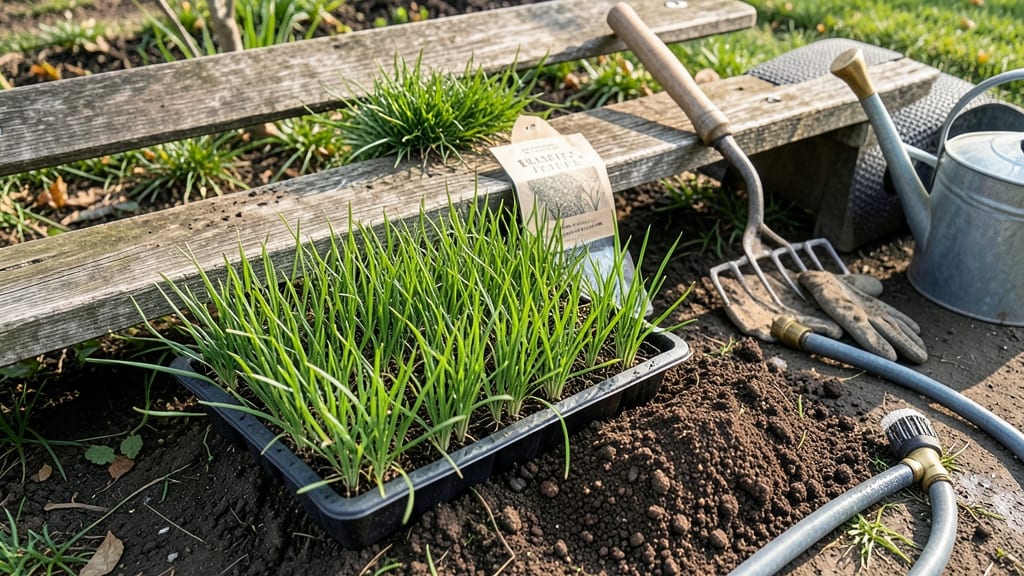
Planting a lawn in the fall delivers thicker, greener grass than spring planting ever could—cooler air and frequent rain create perfect conditions for seed germination and root growth.
I’ve seen firsthand how fall-sown lawns outperform spring starts by 30% in just one season, thanks to fewer weeds and ideal moisture levels.
The key is timing: aim for 4-6 weeks before your first frost, when soil stays warm enough for seeds to sprout but nights cool down to slow weed competition.
Start with soil prep—loosen the top 4 inches, remove debris, and level uneven spots. For cool-season grasses like Kentucky bluegrass or fescue, use a high-quality seed blend (not just the cheapest option) and spread it evenly with a broadcast spreader.
Lightly rake to ensure good seed-to-soil contact, then water gently but thoroughly to keep the soil moist—like a damp sponge—for the first 2-3 weeks. Overwatering here is the biggest rookie mistake.
Once established, your lawn will reward you with deep roots that handle summer heat better than spring-sown grass. Just avoid heavy foot traffic until the new growth reaches 3-4 inches tall, and mow high (3-4 inches) to encourage strong root systems.
In colder climates, a thin layer of straw mulch helps protect seeds from early frosts, while warmer regions benefit from frequent light watering to prevent drying.
This method works for Northern Hemisphere zones 3-7 (plant September-October) and Southern Hemisphere zones 5-9 (plant March-April). The secret? Patience—fall lawns take longer to germinate but deliver results that last.
For troubleshooting, watch for crusting (break it up with a rake) or crabgrass (pre-emergent in early spring). Your neighbors will notice the difference by next summer.
📚 In This Guide
- What you need
- Instructions
- Tips and common mistakes
- Wrapping up and next steps
What you need
- ● Seed: Choose cool-season grass seed (e.g., Kentucky Bluegrass, Fescue, or Ryegrass). Aim for 5–10 lbs per 500 sq ft, depending on your grass type and desired density.
- ● Topsoil or Compost: 2–4 inches of high-quality topsoil or compost to improve soil fertility and drainage.
- ● Lawn Rake: A bow rake (for leveling) or a garden rake (for removing debris).
- ● Broadcast Spreader: For even seed distribution. Adjust settings based on seed type (check your spreader’s manual for calibration).
- ○ Lawn Roller (Optional but Helpful): A 100–150 lb roller to firm the soil and ensure good seed-to-soil contact.
- ● Water Source & Hose: A soaker hose or sprinkler with adjustable settings for gentle, consistent watering.
- ○ Soil Test Kit (Optional but Recommended): Test your soil’s pH and nutrient levels. Fall is a great time to amend with lime or fertilizer if needed.
- ○ Organic Mulch or Straw (Optional): 1–2 inches to retain moisture and protect seeds from birds or erosion.
- ● Weather Check: Plant when daytime temps are 60–75°F and nights dip below 50°F (ideal for cool-season grasses). Avoid planting before a hard frost.
- ● Soil Prep: Clear debris, loosen compacted soil, and level the area. Aim for a slight slope (1–2%) for drainage.
- ● Water Accessibility: Ensure your water source is nearby—new seeds need daily moisture (about ¼ inch per day) for the first 2–3 weeks.
Step-by-Step instructions for planting a fall lawn
Fall is the ideal window for cool-season grass—here’s how to establish a thick, resilient lawn before winter.
Test and Prepare the Soil
Begin by testing your soil’s pH and nutrient levels using a home test kit. Cool-season grasses like Kentucky bluegrass and fescue thrive in soil with a pH between 6.0 and 7.0. If your test reveals a pH lower than 6.0, apply lime according to package instructions to raise it over 2-3 weeks before planting. Avoid testing in wet soil—wait until the ground is dry to the touch.
Next, remove all existing vegetation, including weeds, using a sod cutter or by hand. Loosen the top 4-6 inches of soil with a rototiller or broadfork, breaking up compacted layers. This ensures roots can penetrate deeply. If your soil feels excessively sandy or clay-heavy, amend it with 2-3 inches of compost and mix thoroughly. The goal is a loose, crumbly texture that holds moisture without becoming waterlogged.
Level and Rake the Ground
Drag a laser level or string line across the area to identify low spots and create a smooth, even surface. Fill depressions with a topsoil-and-sand mix (70/30 ratio) and compact lightly with a hand tamper. Avoid over-compacting—you want the soil to support roots but still allow airflow. For slopes, create contour rows to prevent erosion during watering.
Use a bow rake to smooth the surface, removing any remaining debris or clumps. The finish should be fine and uniform, with no ridges or bumps. Walk across the area to check for uneven spots—press down firmly with your foot, and if the ground doesn’t spring back evenly, add more topsoil and re-rake. This step is critical for preventing water pooling and ensuring even grass growth.
Spread Seed and Fertilizer Evenly
Use a broadcast spreader to apply 10-12 pounds of cool-season grass seed per 1,000 square feet, following the seed packet’s recommended rate. Walk in a crisscross pattern to ensure full coverage, overlapping passes by 12 inches to avoid missed spots. For a 4,000-square-foot lawn, this translates to 40-48 pounds of seed total. Lightly rake the area with a fine-tooth drag rake to press seeds into the soil without burying them deeper than ¼ inch.
After seeding, apply a starter fertilizer with a high phosphorus content (e.g., 5-10-5 ratio) to encourage root development. Use a spreader set to the recommended rate for your fertilizer type, typically 10-15 pounds per 1,000 square feet. Water lightly immediately after fertilizing to help granules dissolve and reach the soil. Avoid heavy watering now—you’ll want the soil surface to stay moist but not saturated for the next 7-10 days.
Water Consistently for Germination
Water the seeded area lightly twice daily—once in the early morning (6-9 AM) and once in the late afternoon (4-6 PM)—to keep the top ½ inch of soil consistently moist. Use a gentle rain nozzle or soaker hose to avoid dislodging seeds. Aim for ¼ inch of water per session, adjusting based on rainfall. You’ll know you’re on track when the soil feels damp 1 inch deep when checked with your finger. Overwatering can suffocate seeds, while underwatering leads to weak germination.
Germination typically takes 7-21 days, depending on grass type and weather. Once you see 50% of the seeds sprouting, reduce watering to once daily and gradually increase water depth to ½ inch per session. This encourages deeper root growth. Avoid walking on the lawn until the grass reaches 3 inches tall—this prevents seedling damage and ensures a uniform stand. Use a straw mulch (½ inch thick) over newly seeded areas in windy conditions to protect tender shoots.
Maintain and Transition to Winter Care
After 4-6 weeks, when the grass reaches 3-4 inches tall, mow it to 3 inches using a sharp mower blade set to the highest setting. This helps the grass establish a strong root system before winter. Avoid removing more than ⅓ of the blade height in a single mowing to prevent stress. Continue fertilizing with a slow-release, cool-season blend every 8-10 weeks through early spring, but hold off on fall applications after 6 weeks of growth to allow roots to harden off.
As temperatures drop below 50°F at night, reduce watering to once every 7-10 days unless the soil feels dry 1 inch deep. Cool-season grasses enter dormancy in winter but remain alive underground. In early spring, resume watering when the top ½ inch of soil dries out and apply a pre-emergent herbicide in late winter to prevent crabgrass before seeding. This fall planting will reward you with a thicker, greener lawn** come spring—if you’ve kept the soil moist and consistent.
Tips & tricks for perfect fall lawn planting
Fall lawn planting is your golden opportunity—here’s how to avoid the pitfalls that turn good intentions into patchy results.
Soil Prep Precision: When testing soil pH in Step 1, take multiple samples from different areas of your yard—soil composition can vary dramatically even within small spaces. I’ve seen lawns fail because someone tested only one spot and assumed the entire yard matched. For the 2-3 week lime adjustment period, mark your calendar and set reminders to apply it consistently. The goal is uniform pH across your entire planting area, not just spot treatment.
Leveling Like a Pro: In Step 2, don’t rely solely on your eyes when leveling. Rent a laser level for large areas—it’s worth the investment for accuracy. For the 70/30 topsoil-sand mix, measure by volume rather than weight to ensure proper proportions. I learned this the hard way after using a sand-heavy mix that compacted too much, creating drainage issues. After filling depressions, walk across the area in socks to feel for uneven spots before final raking.
Seed Application Strategy: For Step 3’s 10-12 pounds of seed per 1,000 square feet, consider dividing the application into two passes with a broadcast spreader—first in one direction, then perpendicular. This double-pass method ensures you hit those tricky spots where the first pass might have missed. When pressing seeds with the fine-tooth drag rake, work gently to avoid burying them deeper than ¼ inch. I’ve seen seedling failure rates triple when seeds are planted too deep—roots can’t reach the surface for sunlight.
Watering Discipline: The twice-daily watering in Step 4 requires discipline, especially when germination takes 7-21 days. Use a rain gauge or tuna can to measure your ¼ inch per session—eyeballing often leads to overwatering. I recommend setting phone alarms for your morning and afternoon watering times to maintain consistency. When you see 50% sprouting, resist the urge to increase water pressure—gradually building to ½ inch per session prevents surface runoff while encouraging deep root growth.
Pro Tips for Planting A Lawn In The Fall
- Fall lawn planting is your golden opportunity—here’s how to avoid the pitfalls that turn good intentions into patchy ...
- Soil Prep Precision: When testing soil pH in Step 1, take multiple samples from different areas of your yard—soil com...
- Leveling Like a Pro: In Step 2, don’t rely solely on your eyes when leveling. Rent a laser level for large areas—it’s...
Frequently asked questions
Got questions about planting a lawn in the fall? You’re not alone—this season offers the perfect window for lush, resilient grass, but timing, prep, and care can feel tricky. Below, we tackle the most common concerns to help you avoid pitfalls and maximize your success.
When is the exact best time to plant a fall lawn?
The ideal window is 4–6 weeks before your first hard frost—typically late August through early October in most U.S. regions. For cool-season grasses (like fescue or ryegrass), aim for soil temps between 60–75°F. Check your local frost dates or use a soil thermometer to time it perfectly. Pro tip: Early fall planting gives grass roots time to establish before winter, while late fall risks dormancy before roots take hold.
What if I miss the fall window? Can I still plant?
Yes, but with trade-offs. Spring planting is possible, but grass struggles to establish roots in hot, dry conditions, leading to thinner, weaker turf. If you must plant later, choose drought-tolerant grasses (like tall fescue) and prioritize deep watering. For best results, start seeds in late summer and overseed in spring for a two-pronged approach.
Do I need to rent heavy equipment, or can I prep the soil by hand?
Hand tools work for small lawns (<1,000 sq ft), but larger areas benefit from a rototiller or sod cutter. Renting equipment (or borrowing from a neighbor) saves time and effort. For DIYers, a broadfork or matlock can loosen soil manually—just expect more elbow grease! Tip: Remove rocks and debris first to avoid damaging blades or seeds.
How do I protect my new lawn from pests or weeds in fall?
Prevention is key! Apply a pre-emergent herbicide (like corn gluten meal) after planting to block weeds, and treat for grubs or chinch bugs if your area is prone to them. Avoid post-emergent herbicides until grass is 3–4 inches tall. For organic control, encourage beneficial nematodes or use milky spore bacteria. Monitor for voles or rabbits—they love tender new shoots!
How often should I water a newly planted fall lawn?
Keep soil consistently moist (not soggy) for the first 2–3 weeks: water lightly daily (5–10 mins) to encourage root growth. Once grass is 2–3 inches tall, reduce to 1–1.5 inches per week, including rain. Water early morning to minimize evaporation and fungal risks. Avoid deep soaking—shallow, frequent watering promotes deeper roots.
| Quick Troubleshooting Guide |
|---|
|
Problem: Uneven germination after planting
Fix: Rake seeds lightly to ensure soil contact; check for compacted soil or uneven seed distribution. |
|
Problem: Grass turning brown in fall
Fix: Normal dormancy! Reduce watering as temps drop; fertilize lightly in early fall to boost winter resilience. |
|
Problem: Weeds sprouting before grass
Fix: Hand-pull weeds early or spot-treat with vinegar (for small areas). A thick lawn crowds out weeds—keep seeding rates correct! |
Wrapping up and next steps
Planting a lawn in the fall is your golden ticket to a lush, vibrant yard next spring! 🌱 Cool-season grasses thrive in cooler temperatures, and fall’s mild weather gives them the perfect head start.
With the right prep, soil, and care, you’ll be rewarded with thick, resilient turf that stands out in your neighborhood.
Ready to roll up your sleeves? Grab your tools, follow this fall lawn planting recipe, and watch your yard transform. Need a little extra help? Check out our lawn care checklist to keep your progress on track!