
Plants
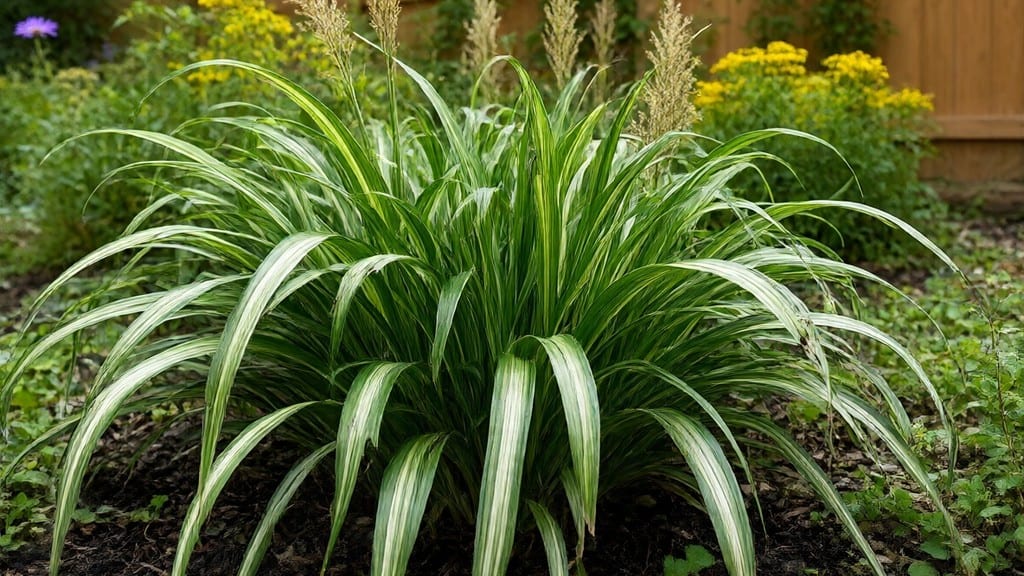
Growing Japanese variegated grass 🌿 is your ticket to a Zen garden vibe with almost no effort—its golden stripes and lush green blades bring instant texture to any space.
Transform your garden into a serene Japanese-inspired landscape with the striking beauty of variegated grass—where golden edges and lush greens create a mesmerizing contrast. But with clumping and spreading varieties, which one suits your space best?
This low-maintenance ornamental grass thrives in partial shade, making it perfect for under trees or along patios where sunlight is limited. Unlike fussy annuals, it keeps its shape year-round, adding year-long interest with minimal care.
Here’s how to pick the right type, master the basics of soil and water, and keep your grass looking vibrant for decades—no green thumb required.
Clumping vs. spreading Japanese variegated grass: key differences and best uses
Japanese variegated grasses add elegant texture to gardens with their striking golden stripes and graceful arcs. But not all varieties grow the same—clumping types like Hakonechloa macra form neat mounds, while spreading varieties such as Miscanthus sinensis 'Variegatus' expand outward.
Understanding these differences helps you choose the perfect fit for your landscape design and maintenance style.
Clumping varieties like Hakonechloa macra (Japanese forest grass) create compact, bushy clumps that stay contained, making them ideal for small spaces and containers. Their arching foliage cascades beautifully over walls or edges, offering low-maintenance elegance with minimal spread.
Meanwhile, spreading types like Miscanthus send out rhizomes underground, creating a ground-cover effect that’s perfect for larger areas and borders.
Comparison Table: Clumping vs. Spreading Japanese Variegated Grass
| Feature | Clumping (Hakonechloa macra) | Spreading (Miscanthus) |
|---|---|---|
| Growth Habit | Forms neat clumps | Spreads via rhizomes |
| Spread Rate | Minimal spread (1-2 ft) | Aggressive spread (3-6 ft) |
| Best For | Containers, small gardens | Borders, large landscapes |
| Maintenance | Low pruning needed | Requires regular trimming |
| Winter Care | Cut back late winter | Cut back early spring |
| Height Range | 1-2 feet | 3-6 feet |
If you love contained, sculptural plants, clumping Hakonechloa macra is your best bet. Its elegant arches and slow, controlled growth make it perfect for rock gardens, hanging baskets, or as a focal point in small spaces.
I’ve used it in my own shady garden corners to add vertical interest without overwhelming the area.
For larger gardens or erosion control, spreading Miscanthus varieties shine. Their tall, feathery plumes and wider reach create dramatic backdrops or natural privacy screens. Just be prepared for regular maintenance—these grasses can outcompete nearby plants if left unchecked.
Another key difference is winter care. Clumping types like Hakonechloa can be cut back in late winter to reveal fresh spring growth. Spreading Miscanthus, however, often needs earlier pruning—right after new shoots appear in early spring—to prevent overcrowding.
When it comes to soil preferences, both types thrive in well-draining, slightly acidic soil with organic matter. However, clumping grasses tolerate moister conditions, while spreading varieties prefer drier, well-aerated soil to prevent root rot.
I always mix in perlite or sand to improve drainage for Miscanthus varieties.
For beginner gardeners, clumping Hakonechloa is often the easier choice. Its self-contained growth means less risk of spreading where you don’t want it. Spreading Miscanthus, on the
Step-by-step care guide: sunlight, soil, and watering secrets for thriving variegated grass
Japanese variegated grass thrives when given the right conditions, and its stunning gold-and-green stripes will reward you with year-round beauty. The key lies in morning sunlight exposure, well-draining soil mixes, and a consistent watering routine that mimics natural rainfall patterns.
Unlike sun-loving perennials, this grass prefers gentle light to prevent leaf scorch while still needing enough brightness to maintain its vibrant variegation.
One of the most common mistakes gardeners make is placing their variegated grass in hot afternoon sun, which can bleach the foliage or cause crispy edges. Instead, think of it as a plant that enjoys a Japanese tea ceremony setting—calm, shaded, yet with just enough light to sparkle.
Let’s break down the essential care steps to keep your grass looking like a living watercolor painting all season long.
🌱 Step-by-Step Care Guide
-
Step 1: Choose the Perfect Spot
Place your variegated grass in an area with 3-6 hours of morning sun and dappled afternoon shade. East-facing windows or partially shaded garden beds work best to prevent leaf burn. -
Step 2: Prepare Well-Draining Soil
Mix 50% garden soil, 30% perlite, and 20% compost for optimal drainage. Avoid heavy clay soils, which can suffocate roots and cause yellowing. -
Step 3: Water Deeply and Infrequently
Water once a week in spring/fall, every 5-7 days in summer, and reduce to monthly in winter. Always water at the base of the plant in the morning to prevent fungal issues. -
Step 4: Protect in Winter
Mulch with 2-3 inches of straw after the first frost to insulate roots. In USDA Zone 5 or colder, add a lightweight frost cloth for extra protection. -
Step 5: Prune for Year-Round Beauty
Cut back dead or brown foliage in early spring before new growth appears. Avoid heavy pruning in fall, as the old stems provide winter interest. -
Step 6: Fertilize Lightly
Apply a balanced 10-10-10 fertilizer in early spring and again in mid-summer. Over-fertilizing can reduce variegation, so less is always better.
When it comes to soil preparation, I’ve found that adding a handful of worm castings to the mix gives my variegated grass an extra boost of nutrients without overwhelming it.
The worms also help aerate the soil naturally, which is perfect for preventing root rot—a common issue with ornamental grasses. For container gardening, use a fast-draining potting mix with added orchid bark to mimic the airy conditions these grasses love.
One of my favorite tricks for maintaining those show-stopping stripes is to avoid fertilizers high in nitrogen, which can cause the grass to revert to solid green. Instead, opt for a low-nitrogen, high-potassium fertilizer to keep the variegation vibrant.
If you notice the yellow edges fading, it’s a sign your plant is either getting too much sun or not enough light—adjust its position accordingly.
Don’t forget that Japanese variegated grass is a low-maintenance plant once established, but it does appreciate a little attention to detail. Regularly check the soil moisture by sticking your finger about an inch deep—if it feels dry, it’s time to water.
And if you’re growing it in a container, make sure the pot has drainage holes to prevent waterlogging, which can turn those pretty stripes into a sad, soggy mess.