
Lawn
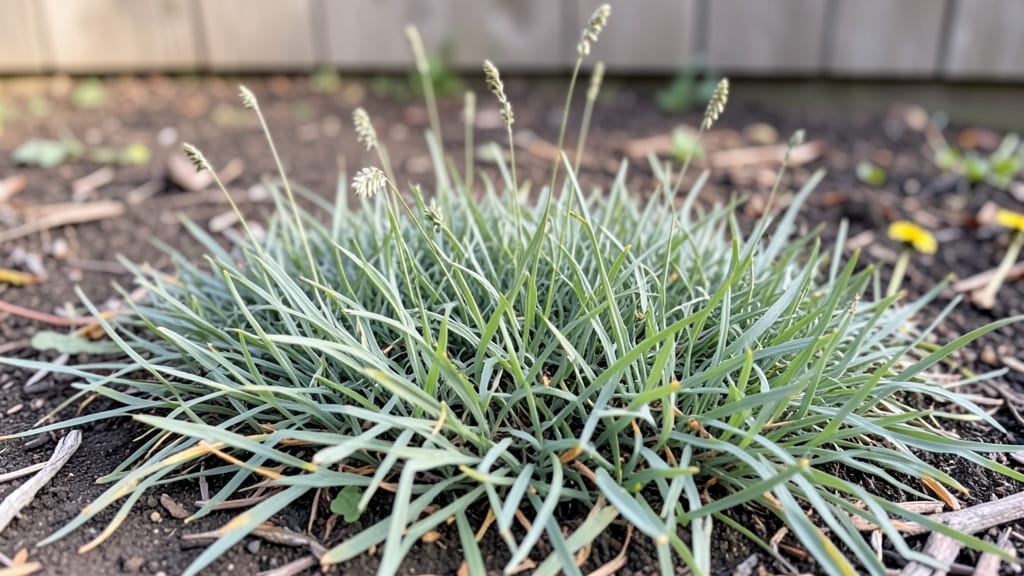
Spotting broad-leaved grass in your lawn can turn a simple mow into a frustrating puzzle—especially when it blends in with weeds or desirable plants.
Struggling to tell broad-leaved grasses apart from weeds or other plants? These common lawn and garden invaders often go unnoticed until they take over—costing you time, money, and a perfectly manicured yard.
You’re not alone in this confusion. Many homeowners mistake broad-leaved grasses for clover, plantain, or even crabgrass, leading to wasted effort on removal or missed opportunities to restore a healthy lawn. The key lies in five quick visual traits that separate them from other plants.
In this guide, I’ll show you how to identify broad-leaved grasses in under a minute, so you can tackle them before they spread—and keep your yard looking its best.
5 Key visual traits to identify broad-leaved grasses quickly
Broad-leaved grasses often sneak into lawns and gardens, mimicking desirable plants until they spread uncontrollably. The key to early identification lies in their leaf structure, growth patterns, and seed heads.
Unlike narrow-leaved grasses, these types have wider blades that resemble weeds like dandelions or plantain—but with distinct differences.
First, examine the leaf width. Broad-leaved grasses typically have blades 1/4 inch or wider, while most weeds hover around 1/8 inch. Next, check the leaf arrangement: broad-leaved grasses often grow in clumps or tufts, not the single-stemmed structure of many weeds.
These visual cues can save hours of manual removal later.
Here’s a quick reference for the most common broad-leaved grasses you’ll encounter:
<summary-table>| Grass Type | Leaf Width | Growth Pattern | Seed Head | Key Distinction |
|---|---|---|---|---|
| Nutsedge (Nutgrass) | 1/4"–1/2" | Triangular stems, clumping | None (reproduces via tubers) | Sharp-edged leaves, yellow-green color |
| Bermudagrass | 1/8"–1/4" | Spreading rhizomes | Small, spike-like clusters | Forms dense mats, drought-tolerant |
| Crabgrass | 1/8"–3/8" | Prostrate, spreading | Seed heads resemble tiny crab claws | Weak stems, brownish seed heads |
| Orchardgrass | 1/4"–1/2" | Bunched, upright | Fluffy, feathery seed heads | Soft texture, blue-green leaves |
| Goosegrass | 1/16"–1/8" | Low-growing, matted | Single-seeded spikelets | Creeping habit, light green blades |
Pay special attention to the seed heads, which often reveal the plant’s identity before the leaves do. For example, orchardgrass produces fluffy, feathery clusters, while crabgrass has distinctive claw-like seed heads. These traits help you act fast—before broad-leaved grasses spread via rhizomes or tubers.
Another critical trait is the leaf base. Broad-leaved grasses often have sheaths that wrap tightly around the stem, unlike many weeds with loose or hairy bases. This detail is especially useful when distinguishing nutsedge from sedges, which also have triangular stems but lack the tight sheaths.
Don’t overlook the color and texture of the leaves. Many broad-leaved grasses, like bermudagrass, have a blue-green hue, while weeds often appear duller or yellowish. A quick rub between your fingers can also help: broad-leaved grasses typically feel smoother than rough-textured weeds.
For young plants, focus on the cotyledons (first leaves). Broad-leaved grasses usually have two seed leaves that are broad and oval, whereas many weeds start with narrower or lobed leaves. This early-stage clue can prevent misidentification when plants are still small.
Pro tip: Use a hand lens to inspect leaf edges. Broad-leaved grasses often have parallel veins running lengthwise, while weeds may show branching veins or serrated edges. This level of detail separates desirable grasses from problematic invaders like goosegrass.
Mastering these 5 visual traits—leaf width, growth pattern, seed heads, leaf base, and texture/color—will transform your ability to spot broad-leaved grasses early. The sooner you identify them, the easier they are to remove before they choke out your lawn or garden.
How to distinguish broad-leaved grasses from common weeds
Identifying broad-leaved grasses can be tricky, especially when they mimic common weeds like dandelions or clover. Many gardeners mistake these plants for weeds, leading to unnecessary removal or missed opportunities to cultivate desirable species.
The key lies in examining leaf structure, root systems, and growth patterns—details that set them apart from true weeds.
For example, broad-leaved grasses like maiden grass or fountain grass often have flat, ribbon-like leaves that grow in clumps, while weeds like chickweed or plantain typically feature rounder, more irregular leaves with hairy stems. Understanding these differences saves time and prevents over-cleaning your garden.
| Trait | Broad-Leaved Grasses | Common Weeds |
|---|---|---|
| Leaf Shape | Long, flat, and ribbon-like (e.g., maiden grass) | Round, lobed, or irregular (e.g., dandelion, clover) |
| Leaf Arrangement | Alternate or basal rosette | Opposite or whorled (e.g., chickweed) |
| Root Structure | Fibrous or clumping (deep roots) | Taproot or shallow (e.g., plantain) |
| Growth Habit | Upright, clumping, or spreading (e.g., fountain grass) | Low-growing, sprawling, or invasive (e.g., creeping Charlie) |
| Seed Heads | Feathery, plume-like, or dense clusters | Dandelion puffs, clover pods, or tiny white flowers |
One of the easiest ways to tell them apart is by leaf texture. Broad-leaved grasses often have smooth, waxy leaves, while weeds like chickweed or plantain may feel rough or hairy.
For instance, maiden grass leaves are typically arching and silky, whereas dandelion leaves are deeply toothed and jagged.
Pay attention to how the plants spread. Broad-leaved grasses usually form dense clumps, while weeds like creeping Charlie spread aggressively via runners. If you notice a plant sending out long, horizontal stems that root at nodes, it’s likely a weed, not a grass.
This habit can quickly take over lawns and gardens if left unchecked.
Finally, observe the flowering stage. Broad-leaved grasses often produce plume-like seed heads (e.g., feather reed grass), while weeds like dandelions have distinctive puffballs. If you see yellow composite flowers (like dandelions or plantain), you’re dealing with a weed.
These visual clues make identification much simpler once you know what to look for.
Next time you’re unsure whether a plant is a broad-leaved grass or a weed, grab a magnifying glass and check these key traits. Accurate identification ensures you’re removing weeds and preserving desirable plants—keeping your garden thriving without unnecessary effort. 🌱