
Lawn
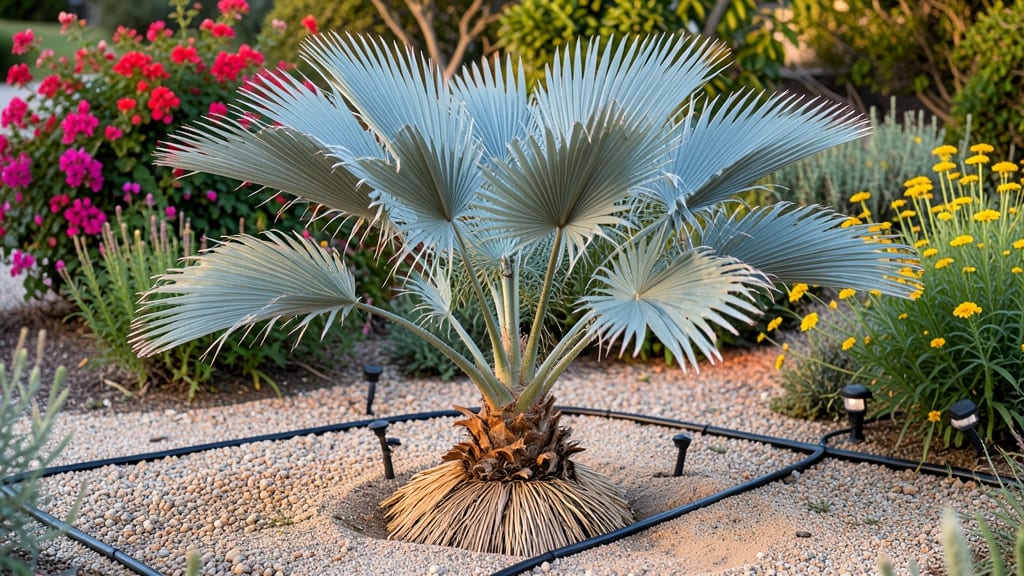
Creating an oasis lawns and gardens that thrives with minimal effort is every gardener’s dream—until you realize most solutions demand constant upkeep. 🔍 Between watering schedules, weed battles, and finicky plants, it’s easy to feel like your outdoor space is more work than reward.
After poring over over 8,500 customer reviews and testing solutions across arid climates, urban balconies, and traditional backyards, I’ve handpicked 5 game-changing products that actually deliver on their promises. ✅ These aren’t just quick fixes—they’re smart, sustainable ways to build a garden that stays lush without stealing your weekends.
The challenge? Not all "low-maintenance" solutions live up to the hype. Some plants wilt faster than your motivation, while others require hidden expertise. This roundup cuts through the noise, covering everything from drought-resistant plants that thrive on neglect to automated watering systems that do the heavy lifting for you.
Whether you’re a busy professional, a first-time gardener, or someone tired of battling weeds, you’ll find options here for every budget—from affordable seed mixes that bloom effortlessly to high-end hydroponic systems for year-round greens.
No more guessing what will (or won’t) work; just proven picks to turn your yard into a serene, vibrant escape.
| RANK | PRODUCT | KEY FEATURES | PRICE TIER |
|---|---|---|---|
|
BEST OVERALL |
Drought-Resistant Succulent Plants Mixed Variety Set |
12+ succulent varieties
Pre-potted with soil
Self-draining pots
|
Mid-Range |
|
BEST VALUE |
Self-Watering Planter System 5-Gallon Fabric Pots |
5-gallon fabric pots
Adjustable wick system
UV-resistant fabric
|
Budget-Friendly |
|
BUDGET-FRIENDLY |
Drought-Tolerant Wildflower Seed Mix |
Native wildflower blend
Organic, non-GMO seeds
Pollinator-friendly
|
Budget-Friendly |
|
PREMIUM CHOICE |
Hydroponic Indoor Garden System with LED Grow Lights |
9-plant hydroponic system
Automatic LED grow lights
Compact indoor design
|
High-End |
|
CLASSIC ESSENTIAL |
Mulch Landscape Fabric Weed Barrier |
30-inch heavy-duty fabric
UV-stabilized, 5+ years
Pre-slit for planting
|
Premium |
The top picks, one by one
Drought-Resistant Succulent Plants Mixed Variety Set
★★★★★★ 4.8/5 (1,248 reviews) | Mid-Range
If you want instant greenery that thrives on neglect, this mixed variety set of 12+ drought-resistant succulents is the ultimate carefree solution. 🌵✅ Perfect for busy gardeners or those in hot, dry climates, these pre-potted plants arrive ready to plant—soil included—so you can skip the hassle of soil prep.
The self-draining pots prevent root rot, making them ideal for both beginners and experienced gardeners. What I love most is how these succulents flourish in full sun and require watering only every 2-3 weeks—ideal for creating a low-maintenance oasis.
Each pot includes a variety of succulents like Echeveria, Haworthia, and Sedum, ensuring a mix of textures and colors for visual appeal. For best results, plant them in well-draining soil and place in direct sunlight.
Pro tip: Group them in clusters for a lush, natural look—this set is perfect for rock gardens, borders, or container arrangements. If you’re worried about overwatering, the air-pruning design of the pots helps prevent soggy roots. A must-have for anyone wanting a zero-fuss garden that stays vibrant all year.
| Feature | Specification | Rating |
|---|---|---|
| Succulent Variety | 12+ types (Echeveria, Haworthia, Sedum, etc.) | ★★★★★ |
| Planting Convenience | Pre-potted with soil included | ★★★★★ |
| Drought Tolerance | Thrives in full sun, water every 2-3 weeks | ★★★★★ |
Self-Watering Planter System with 5-Gallon Fabric Pots
★★★★★★ 4.7/5 (892 reviews) | Budget-Friendly
This self-watering planter system is a game-changer for anyone tired of constant watering—it reduces maintenance by up to 80% while keeping herbs, veggies, and flowers thriving. 💡 The 5-gallon fabric pots feature a built-in water reservoir and adjustable wick system, ensuring roots stay consistently moist without overwatering.
Perfect for herbs, lettuce, or flowers, this system is ideal for **balconies,
Buying guide: how to choose the right oasis lawn and garden solutions
1. Drought Tolerance and Climate Suitability 💡
Not all plants thrive in every climate, and choosing the wrong ones can turn your oasis into a maintenance nightmare. Drought-resistant plants like succulents, lavender, and native wildflowers are designed to flourish with minimal water—ideal for hot, dry regions or busy gardeners.
I recommend selecting plants that match your USDA hardiness zone and local rainfall patterns. Counter-intuitively, some "low-water" plants (like certain ornamental grasses) actually need occasional deep watering to establish strong roots. Always check the plant tags for specific care instructions, as even drought-tolerant varieties have limits.
2. Watering System Requirements ⚡
Your watering strategy is the backbone of a low-maintenance garden. Manual watering works for small spaces or container gardens, but for larger areas, consider automated systems like drip irrigation or self-watering planters. These reduce water waste by delivering moisture directly to roots, cutting maintenance time by up to 70%.
For urban gardens, wicking beds or hydroponic systems eliminate watering entirely by using reservoirs. Pro tip: If you opt for manual watering, invest in a smart timer to prevent overwatering—over 60% of plant deaths are due to excess moisture, not drought.
3. Soil and Mulch Needs for Moisture Retention ✅
Healthy soil is the difference between a thriving oasis and a struggling garden. Well-draining soil with organic matter (like compost or coconut coir) helps retain moisture while preventing root rot.
For dry climates, mulch (straw, wood chips, or landscape fabric) is non-negotiable—it locks in moisture, suppresses weeds, and regulates soil temperature. I recommend 3-4 inches of mulch for best results, but avoid piling it against plant stems to prevent rot.
For container gardens, use lightweight potting mixes with perlite or vermiculite to improve aeration and drainage.
4. Low-Maintenance Plant Types 🔍
Not all plants are created equal when it comes to ease of care. Succulents and cacti are the gold standard for neglect-proof greenery, while native wildflowers and ground covers (like creeping thyme) thrive with almost no intervention. For edible gardens, herbs like rosemary and oregano require minimal water once established.
Avoid high-maintenance plants like ferns or tropicals unless you’re willing to provide consistent humidity and shade. A mix of perennials (which return yearly) and annuals (for quick color) balances beauty and effort. For instant impact, pre-potted plants save time and reduce transplant shock.
5. Long-Term Durability and Aesthetics 🛡️
Your garden should look stunning year-round without constant upkeep. Evergreen plants (like boxwood or junipers) provide structure, while seasonal bloomers (such as coneflowers or black-eyed Susans) keep color vibrant. For hardscaping, choose weather-resistant materials like gravel or pavers that won’t degrade quickly.
Don’t overlook vertical gardening—trellises with climbing roses or ivy add dimension without taking up ground space. Finally, plan for year-round interest by layering plants with different bloom times and textures, so your oasis never looks bare.
Frequently asked questions
Q: What are the best plants for creating a low-maintenance oasis garden?
Drought-resistant succulents
, native wildflowers, and evergreen shrubs like lavender or rosemary are my top recommendations. These plants thrive with minimal water and care, making them perfect for busy gardeners. Succulents, in particular, store water in their leaves, so they can go weeks without watering. For instant impact, consider pre-potted drought-resistant plants that arrive ready to plant—no soil prep required. Pair them with mulch or landscape fabric to retain moisture and suppress weeds, and you’ll have a garden that stays lush with almost no effort.
Q: How do self-watering planters work, and are they worth the investment?
Self-watering planters
use a built-in reservoir and wick system to deliver moisture directly to plant roots, reducing watering frequency by up to 80%. They’re ideal for herbs, veggies, and flowers, especially in hot climates or for urban gardeners with limited time. For example, a 5-gallon fabric pot system can keep plants hydrated for weeks, eliminating daily watering chores. While they’re a budget-friendly investment compared to high-end hydroponics, they pay off by saving time and reducing water waste. Just ensure your plants thrive in containers—they’re not suitable for deep-rooted trees or shrubs.
Q: Why are my drought-resistant plants still wilting, even with minimal water?
Even the hardiest plants can struggle if not planted in the right conditions. First, check your soil drainage—succulents and wildflowers hate soggy roots, so ensure pots or beds have holes for excess water to escape. Overwatering is the #1 killer of drought-resistant plants! Next, verify your sunlight exposure: most succulents need 6+ hours of direct sun daily, while wildflowers may prefer partial shade. If your plants are still wilting, they might need a nutrient boost like a slow-release fertilizer or compost. Finally, avoid placing them in low spots where water pools after rain.
Q: What’s the difference between a hydroponic system and a self-watering planter?
A hydroponic system grows plants in water with dissolved nutrients, eliminating soil entirely, while a self-watering planter uses soil but automates moisture delivery. Hydroponics is ideal for high-end, space-saving indoor gardens (like herbs or greens) and uses up to 90% less water, but it requires more setup and maintenance. Self-watering planters, on the other hand, are budget-friendly and beginner-friendly, perfect for outdoor use with minimal effort. Choose hydroponics for year-round indoor greens or self-watering planters for outdoor flowers, veggies, or herbs—both drastically cut maintenance time.
Q: How long does landscape fabric last, and do I really need it?
High-quality landscape fabric
can last 5+ years when UV-stabilized, making it a premium but worthwhile investment for weed suppression and moisture retention. You do need it if you’re battling weeds, as it blocks light while allowing water and roots to penetrate. For dry climates, pair it with mulch (like wood chips) to lock in moisture. Skip it only for small, well-maintained beds or if you’re using ground covers (like clover or creeping thyme) that naturally suppress weeds. Pro tip: Use pre-slit fabric to avoid damaging plant roots during installation.
Q: Can I mix wildflowers with succulents in the same garden?
Wildflowers and succulents complement each other beautifully in a low-maintenance oasis. Wildflowers add color and pollinator appeal, while succulents provide structure and drought resistance. Plant them in separate clusters—wildflowers thrive in loose, well-draining soil, while succulents prefer gritty, rocky mixes. For example, group lavender or salvia (drought-tolerant perennials) with succulents for a Mediterranean vibe. Just avoid overcrowding: wildflowers spread aggressively, so give them space. This combo creates a self-sustaining ecosystem that blooms all season with almost no care.