
Propagation
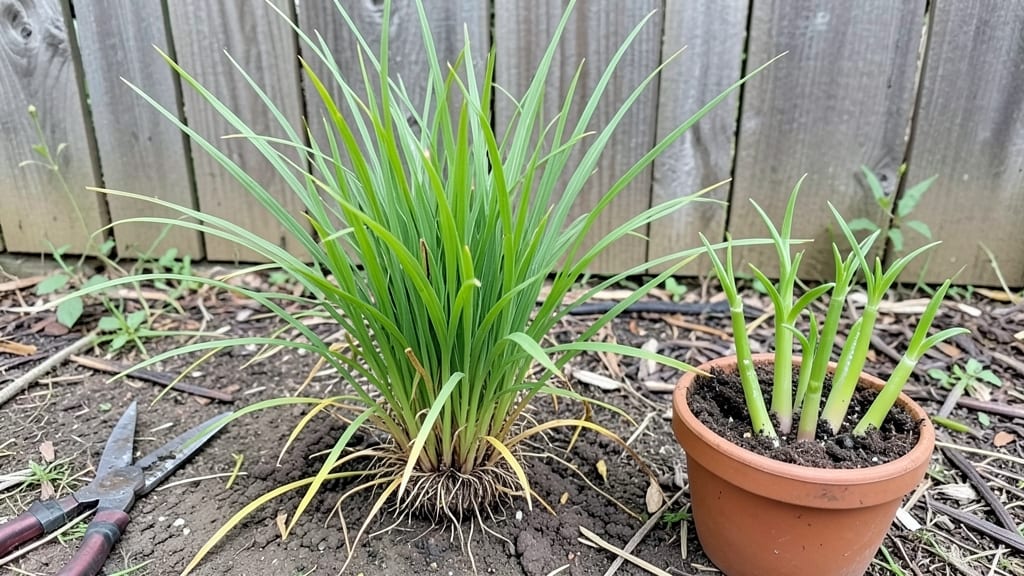
Lemon grass roots take off in water faster than you’d expect—within 2-3 weeks if you follow the right steps. 🌱 I’ve propagated dozens of stalks this way, and the key is keeping the water fresh and the light bright.
No soil, no fuss, just watch those roots grow like crazy.
The only supplies you need are healthy lemon grass stalks, clean water, and a jar or glass tall enough to submerge the bottom third. Skip the soil entirely—this method works best when you let the roots develop in water first before transplanting.
Most people overthink it, but the process is simple once you know the tricks.
By the time those roots hit 2-3 inches, you’ll be ready to move them into soil and watch them shoot up into full-sized plants. The fragrance alone makes it worth the effort, but the speed? That’s the real game-changer for impatient gardeners like me.
Works for both indoor pots and outdoor beds, and you can propagate year-round in warm climates. Here’s how to avoid the most common mistakes and keep your cuttings thriving.
📚 In This Guide
- What you need
- Instructions
- Tips and common mistakes
- Wrapping up and next steps
What you need
- ● Lemon grass stalks: 3–5 healthy, mature stalks (about 6–8 inches long)
- ● Tip: Choose stalks with visible roots or nodes (swollen areas) at the base.
- ● Clean water: 1–2 cups of room-temperature or slightly warm water per container
- ● Tip: Use filtered or distilled water to avoid chlorine, which can inhibit root growth.
- ● Containers: Small jars, glasses, or clear containers (8–12 oz) with straight sides for visibility
- ○ Optional: A shallow tray or saucer to catch excess water.
- ● Pruning shears or sharp knife: Sterilized for clean cuts (rubbing alcohol works!)
- ○ Rooting hormone (optional but helpful): 1 small bottle (e.g., Rootone or Clonex) to speed up root development.
- ● Bright, indirect light: Place containers near a south- or west-facing window (6+ hours of light daily).
- ● Warmth: Ideal temperature: 70–85°F (21–29°C). Avoid drafts or cold spots!
- ● Humidity: Lemon grass thrives in 50–70% humidity. A humidity dome or pebble tray helps if your air is dry.
- ● Watering spray bottle (to mist leaves and maintain humidity).
- ● Label markers (to track propagation dates!).
- ● Small pebbles or aquarium stones (for drainage and aesthetics in containers).
- ● Fish tank air pump (for oxygenation in larger setups).
How to propagate lemon grass with rapid water roots
Here’s the quick method I use to grow sturdy lemon grass stalks in water—no soil needed.
🌱 Step 1: Select and Trim Healthy Stalks
Choose thick, mature stalks with 3-4 inches of growth—they’ll root fastest. Look for stalks with tight, green leaves at the top and no brown or mushy spots at the base. These are your best candidates for strong root development.
Using clean, sharp scissors, cut a 4-6 inch section just below a node (the little bump where leaves grow). This node is where roots will sprout. Trim off any yellow or damaged leaves to reduce stress on the new plant. Here’s the thing—don’t skip this step. Dirty or damaged cuts slow down rooting and invite rot.
💧 Step 2: Prepare the Water and Container
Fill a clear glass or jar with room-temperature water—about 3-4 inches deep. Clear containers let you monitor root growth, which is especially satisfying (you’ll see roots in 1-2 weeks). I like to use a mason jar because it’s stable and easy to clean between propagations.
Place the trimmed stalk in the water so the node is submerged but the leaves stay above. The leaves should float slightly—if they’re fully underwater, trim the stalk shorter. Change the water every 2-3 days to prevent bacteria buildup. Stagnant water turns cloudy and stinks, which tells you it’s time for a refresh.
☀️ Step 3: Position for Bright, Indirect Light
Set your jar in a spot with bright, indirect light—think east-facing window or under a grow light. Direct sun scorches the leaves, while too little light means weak, slow roots. You’ll know it’s right when the leaves stay vibrant green and the water stays clear between changes.
Rotate the jar a quarter turn daily so the stalk grows straight, not leaning toward the light. In 10-14 days, you’ll see tiny white roots sprouting from the submerged node. Once roots reach 2-3 inches, they’re ready to transplant—no soil needed yet if you’re keeping them in water long-term.
⏰ Step 4: Transition to Soil (Optional)
If you want to plant in soil, wait until roots are 3-4 inches long and well-branched. Fill a 6-inch pot with well-draining potting mix (lemon grass hates soggy roots). Dig a hole, gently remove the stalk from water, and tap out excess moisture before planting.
Press the soil around the stalk firmly to eliminate air pockets. Water lightly to settle the mix, then place the pot in partial shade for a week. This helps the plant adjust without shock. After that, move it to full sun and water when the top inch of soil feels dry. You’ll see new growth in 2-3 weeks—proof it’s thriving!
Tips & tricks for propagating lemon grass in water
Here's how to make your lemon grass propagation even faster and more successful.
Stalk Selection Matters: In Step 1, don't just grab any stalk—look for ones with a thick, firm base and at least 3-4 inches of growth. I've found that stalks with multiple nodes (those little bumps) root even faster because they have more potential root points. The thicker the stalk, the stronger your new plant will be.
Container Choice: While any clear container works, I recommend using a mason jar for stability and ease of cleaning. The wider mouth makes it simple to adjust water levels and trim stalks if needed. For faster root growth, use distilled or filtered water—tap water often contains chlorine or minerals that can slow root development.
Lighting Secret: In Step 3, bright indirect light is key, but here's a pro tip: if you don't have an ideal window spot, a grow light placed 6-12 inches above your jar works wonders. I keep mine on a timer for 12-14 hours per day to simulate natural daylight cycles. This consistency helps prevent leggy growth and encourages strong root development.
Root Growth Hack: To speed up the 10-14 day rooting process, add a pinch of cinnamon to the water when you change it every 2-3 days. Cinnamon has natural antifungal properties that keep the water fresh longer and may encourage faster root growth. Just use a tiny amount—about what would fit on a toothpick.
Pro Tips for Propagate Lemon Grass
- Here's how to make your lemon grass propagation even faster and more successful.
- Stalk Selection Matters: In Step 1, don't just grab any stalk—look for ones with a thick, firm base and at least 3-4 inches of growth.
- Container Choice: While any clear container works, I recommend using a mason jar for stability and ease of cleaning.
Frequently asked questions
Got questions about propagating lemon grass in water? You’re not alone! Here are some of the most common concerns—and their simple solutions—to help you grow lush, healthy stalks with ease.
How long does it take for lemon grass to root in water?
With the right conditions, lemon grass typically roots in 2–4 weeks. Watch for tiny white roots sprouting from the base of the stalk—once they’re 1–2 inches long, it’s ready to transplant! Patience is key, but avoid changing the water too often, as frequent disturbances can delay rooting.
Why isn’t my lemon grass growing roots in water?
If your stalks aren’t rooting, check these common culprits:
- Dirty or stagnant water: Replace every 3–5 days to prevent bacteria buildup.
- Low light: Place near a bright, indirect window (south or west-facing is ideal).
- Stalk too old: Use young, firm stalks (3–4 inches tall) for faster rooting.
- No bottom heat: Place the jar on a seedling mat or warm surface to mimic tropical conditions.
Can I propagate lemon grass from store-bought stalks?
Store-bought lemon grass (with white roots intact) often propagates well. Simply trim the stalk to 4–6 inches, remove the lower leaves, and place it in water. Avoid stalks with dry, brown bases—these are past their prime for propagation.
Should I use tap water or filtered water for lemon grass propagation?
Tap water is fine, but chlorine can inhibit root growth. Let it sit out for 24 hours before using, or opt for filtered or rainwater for faster results. Avoid distilled water, as it lacks minerals that support root development.
When is the best time to transplant rooted lemon grass to soil?
Transplant once roots are 2–3 inches long and the stalk shows new leaf growth (usually 4–6 weeks in). Use well-draining potting mix and keep soil moist (but not soggy) for the first 2 weeks. Harden off the plant by exposing it to outdoor conditions gradually if moving outside.
Wrapping up and next steps
Growing lemon grass from cuttings in water is a simple, rewarding, and soil-free way to expand your herb garden! With just a few basic supplies and patience, you can watch roots sprout in as little as two weeks—no green thumb required.
Whether you’re aiming for fresh culinary flavors or natural remedies, this method makes propagation effortless and fun.
Ready to green your space? Grab a healthy stalk, follow the steps, and soon you’ll be enjoying homegrown lemon grass in your favorite dishes. Try it today! 🌱