
Plants
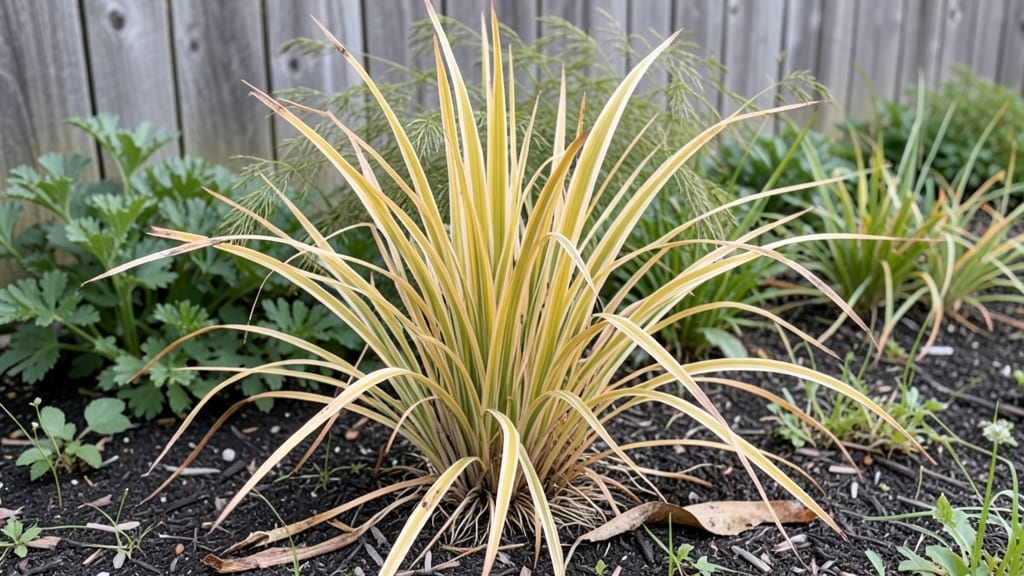
Growing Japanese Golden Grass 🌿 transforms dull corners of your garden into golden, year-round focal points with almost no effort.
If you dream of a garden that bursts with golden hues without the fuss of high-maintenance plants, this ornamental grass is your answer. It thrives in sun or shade, making it perfect for tricky spots where other plants struggle.
Native to Japan, this hardy grass handles USDA Zone 6a winters with ease and grows best when planted in late spring to early summer. Its arching, golden blades add texture and movement, even in the coldest months.
In this guide, you’ll discover how to plant, care for, and maximize the beauty of Japanese Golden Grass—so you can enjoy its golden glow all year without the work.
Why japanese golden grass stands out: sun vs shade performance guide
Japanese Golden Grass (Hakonechloa macra) earns its reputation as a gardener’s dream because it thrives in both sun and shade, delivering that coveted golden foliage regardless of your landscape’s light conditions.
Unlike finicky plants that demand full sun, this ornamental grass adapts beautifully, making it ideal for shady corners, woodland gardens, or sunny borders. The secret lies in its flexible growth patterns—whether basking in morning sunlight or nestled under tall trees, it maintains its vibrant hue with proper care.
What truly sets Hakonechloa macra apart is how its color intensity shifts with light exposure. In full sun, the golden blades become brighter and more vivid, while partial shade softens the hue into a warm, buttery yellow.
Even in deep shade, it won’t turn dull—just slightly muted, which can be a stunning contrast in a low-light garden. This adaptability makes it a standout for gardeners who want year-round interest without the fuss.
Below, I’ve broken down how Japanese Golden Grass performs in different light conditions, including growth habits, seasonal changes, and tips to maximize its golden glow. Whether you’re designing a sun-drenched patio or a shady woodland retreat, this guide will help you place it for peak performance.
🌱
As the table shows, Japanese Golden Grass doesn’t just survive in varying light—it thrives with distinct personalities in each setting. For example, in full sun, the grass grows taller and bolder, while in partial shade, it becomes more compact and bushy, creating a lush, cascading effect.
This flexibility lets you use it as a focal point in sunny areas or a textural filler in shady spots.
One of the most striking seasonal changes occurs in fall and winter. In full sun, the golden hues often deepen and intensify, creating a fiery display that rivals autumn leaves.
In contrast, plants in partial shade may soften to a pale gold, but they still hold their shape and color better than many shade-loving grasses. Even in deep shade, the grass won’t die back—it simply rests and regrows in spring, proving its hardiness.
To maximize color retention, I recommend pruning in late winter or early spring before new growth emerges. This removes any browned or faded blades from the previous season, encouraging fresh, vibrant foliage.
In sunny locations, you might need to prune slightly more aggressively to maintain an upright form, while shady plants benefit from lighter trims to preserve their natural shape.
For gardeners with limited space or containers, Japanese Golden Grass is a game-changer. Its adaptability means you can grow it in pots on patios, balconies, or even indoors near bright windows. Just ensure the container has drainage holes and use a well-draining potting mix to prevent root rot.
In containers, the grass tends to grow slightly smaller but remains just as vibrant and low-maintenance.
If you’re designing a year-round interest garden, pair Japanese Golden Grass with evergreen shrubs or dark foliage plants like Heuchera or Hosta to create stunning contrasts. The golden grass will pop against deep greens or purples, while its arching form adds movement to static landscapes.
Even in winter, when many plants fade, this grass holds its structure and subtle color, making it a reliable choice.
🪴
5 Pro tips to maximize japanese golden grass growth in any garden
Transforming your garden into a golden-hued paradise is easier than you think with Japanese Golden Grass (Hakonechloa macra). This stunning ornamental grass thrives in almost any spot, but a few key care strategies will unlock its full potential.
Whether you're a beginner or seasoned gardener, these proven techniques will ensure your grass stays vibrant and lush year-round.
One of the biggest mistakes gardeners make is assuming this plant is low-maintenance without any effort. While it’s true that Japanese Golden Grass is drought-tolerant once established, it still needs the right soil conditions, watering routine, and occasional pruning to shine.
Let’s dive into the five essential tips that will make your grass stand out like a golden masterpiece in your landscape.
Don’t overlook the seasonal adjustments that keep your Japanese Golden Grass thriving. In spring and fall, focus on light fertilization with a balanced 10-10-10 mix to encourage new growth. Skip fertilizing in winter, as the plant enters dormancy and doesn’t need extra nutrients.
For extra vibrancy, consider dividing mature clumps every 3-4 years to rejuvenate growth. Simply dig up the plant, separate the rootball into sections, and replant in fresh soil. This renews density and prevents overcrowding, which can dull its golden color over time.
With these five pro tips, your Japanese Golden Grass will glow like sunshine in every corner of your garden—whether tucked into a shady nook or basking in full sun. The key is consistent care without overcomplicating it. Happy gardening! 🌿