
Lawn
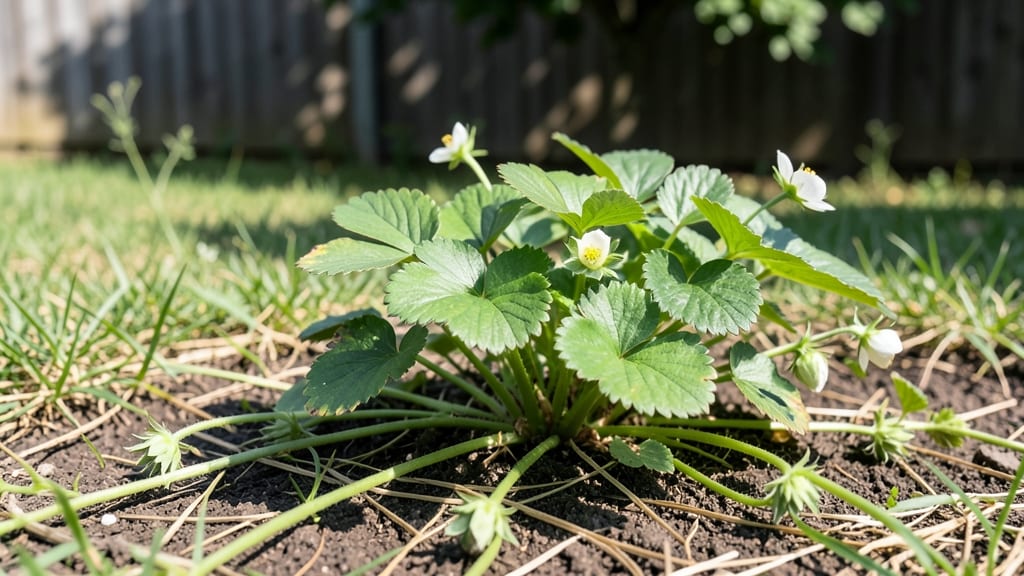
Creeping runners in grass turn your lawn into a tangled mess unless you tackle them head-on. 🌱 I’ve spent years wrestling with stubborn spreaders like creeping Charlie and stoloniferous weeds, and I’ve finally cracked the code for a clean, lush lawn without constant weeding.
The problem starts with runners—those long, creeping stems that smother grass and crowd out plants. Some, like mint or strawberries, are intentional, while others, like crabgrass, are pure nuisances.
The key is early action: cutting off runners at the soil line, smothering them with cardboard, or using targeted herbicides for stubborn patches. It’s not rocket science, but it does take consistency.
Within weeks, you’ll see grass reclaiming space where runners once ruled. The lawn thickens, weeds lose ground, and you’ll spend zero time weeding—just occasional maintenance. My own yard went from a battleground to a neighborhood envy in under a month once I got the system right.
Works for both lawns and garden edges, whether you’re dealing with accidental invaders or intentional spreaders. Let’s get that grass back in control for good.
The Hidden Causes Behind Patchy Grass
If your lawn looks like a patchwork quilt—some areas lush and green while others are thin or brown—you’re not alone. Understanding why these inconsistencies happen is the first step to fixing them. Let’s break down the science behind uneven grass growth and what’s really sabotaging your green carpet.
⚡ Uneven soil conditions
Soil isn’t just dirt—it’s a complex ecosystem where grass roots thrive (or struggle). Differences in soil composition, drainage, or compaction can create "hot spots" where grass flourishes and "dead zones" where it wilts.
- Clay vs. Sandy Soil: Clay soil holds water and nutrients but can become waterlogged, suffocating roots. Sandy soil drains too quickly, starving grass of moisture and nutrients. Result? Grass grows better in one spot than another.
- Compaction: Heavy foot traffic, pets, or machinery can compress soil, reducing oxygen and water absorption. Roots in compacted areas can’t expand, leading to thin, weak patches.
- pH Imbalances: Grass prefers a pH between 6.0 and 7.0. If your soil is too acidic (low pH) or alkaline (high pH), nutrients like nitrogen and phosphorus become locked away, causing uneven growth.
Actionable Fix: Test your soil’s pH and composition with a DIY kit or lab test. Amend compacted areas with organic matter (compost or peat moss) and aerate annually to improve root penetration.
💧 Watering woes
Watering is both an art and a science. Overwatering or underwatering—especially in inconsistent patterns—can turn your lawn into a high-low rollercoaster of green and brown.
- Shallow Watering: Light, frequent watering encourages grass to grow upward (not downward), creating weak roots. When drought hits, these shallow roots can’t reach deep water, leading to brown patches.
- Uneven Distribution: Sprinkler heads misaligned or clogged can leave some areas soggy while others dry out. Pro Tip: Check for "skips" in your sprinkler pattern by placing tuna cans (or cups) across the lawn to measure water output.
- Watering at the Wrong Time: Early morning (before 10 AM) is ideal—watering at night promotes fungus growth, while midday evaporation wastes H₂O and stresses grass.
Actionable Fix: Water deeply 2-3 times per week (1–1.5 inches total) and adjust sprinklers to overlap coverage. Consider soaker hoses for stubborn dry spots.
🌱 Grass type mismatches
Not all grass is created equal. Mixing cool-season and warm-season grasses (or even different varieties of the same type) can lead to a visual and functional mismatch—some blades thrive while others struggle.
- Cool-Season vs. Warm-Season: Cool-season grasses (like Kentucky bluegrass) peak in spring/fall, while warm-season grasses (like Bermuda) dominate summer. Planting both can create a clashing timeline of growth and dormancy.
- Shade Tolerance Gaps: Some grasses (e.g., fine fescue) handle shade better than others (e.g., tall fescue). If you’ve got partial shade, the wrong variety will yellow or thin out.
- Seed vs. Sod Conflicts: Over-seeding with a different grass type than your existing sod can lead to hybrid struggles—roots compete for space, and one variety often outcompetes the other.
Actionable Fix: Choose one grass type suited to your climate and sunlight. If repairing bare spots, use seed matched to your existing lawn or patch with sod from the same variety.
🐜 Pest & disease pressure
Hidden invaders—like grubs, chinch bugs, or fungal pathogens—can turn your lawn into a battlefield of weak, patchy growth without you even noticing.
- Grubs & Insects: White grubs (larvae of beetles) chew on roots, causing grass to pull up easily. Chinch bugs pierce stems, leading to straw-like patches that recover slowly.
- Fungal Infections: Diseases like dollar spot or brown patch thrive in humid, warm conditions, creating circular dead zones. Overwatering or thick thatch fuel these issues.
- Weed Competition: Crabgrass, clover, or moss don’t just look ugly—they steal nutrients and space from your grass, leaving it starved and patchy.
Actionable Fix: Inspect suspicious patches for pests (dig up a section—grubs = squirming white worms!). Treat fungal issues with copper-based fungicides and pull weeds by hand or with vinegar-based herbicides.
Now that you know why your grass is playing favorites, the next step is fixing those uneven spots—without breaking a sweat. 🌱
How to solve it
Transforming your lawn into a lush, year-round green carpet—without the endless weeding—is totally doable. The key lies in addressing the root causes (literally and figuratively) with targeted solutions.
Below, we’ve mapped out fixes for common grass problems, from soil health to seasonal challenges, plus prevention tips to keep your lawn thriving effortlessly.
🌱 Fix: Soil Compaction & Poor Drainage
If your grass struggles to grow in dense or waterlogged areas, soil compaction or poor drainage is likely the culprit. Here’s how to loosen things up:
- 🔥 Aerate Deeply: Rent a core aerator (or use a manual spike aerator for small areas) to punch holes 3–4 inches deep. Do this in spring or fall when the soil is moist but not soggy. Pro tip: Walk across the lawn in a grid pattern for even coverage.
- 💡 Top-Dress with Organic Matter: Spread a ¼-inch layer of compost or sand over the aerated areas, then lightly rake it in. This improves soil structure and drainage over time.
- 🌧️ Check Drainage: If water pools after rain, consider installing a French drain or grading the yard to slope away from your home.
🍃 Fix: Weeds & Unwanted Grass
Preventing weeds from taking over starts with smart lawn care. Here’s how to outcompete them naturally:
- 🌱 Choose the Right Grass: Opt for dense, aggressive grasses like tall fescue or perennial ryegrass, which crowd out weeds by filling gaps quickly.
- ⏰ Mow High & Frequent: Set your mower to 3–4 inches in height and mow regularly (never removing more than ⅓ of the blade at once). Taller grass shades out weeds and retains moisture.
- 🔥 Spot-Treat Weeds: For stubborn weeds, use a vinegar-based spray (1 gallon vinegar + 1 oz dish soap) on sunny days. Avoid herbicides—they can harm your desired grass too.
- 🌡️ Mulch Grass Clippings: Leave clippings on the lawn after mowing—they decompose into free nitrogen, feeding your grass and suppressing weeds.
🌿 Fix: Seasonal Bare Spots
Thin or patchy grass in spring or fall? Revive those areas with these steps:
- 👨🍳 Test Your Soil: Use a DIY soil test kit (available at garden centers) to check pH and nutrient levels. Adjust with lime (for acidic soil) or a balanced fertilizer (like 10-10-10) as needed.
- 🌱 Overseed Strategically: In early fall, spread grass seed over bare patches and lightly rake it in. Keep the area moist (not soggy) for 3–4 weeks until new growth appears.
- 🔪 Remove Thatch: If your lawn has a thick thatch layer (over ½ inch), dethatch with a rake or verticutter to help seeds make contact with the soil.
🛡️ Prevention Tips for Long-Term Success
Once you’ve tackled the issues, keep your lawn lush with minimal effort:
- ✨ Water Deeply & Infrequently: Water early in the morning (4–8 AM) for 15–20 minutes, 2–3 times per week. Deep watering encourages strong roots and deters weeds.
- 🎯 Fertilize Seasonally: Apply a slow-release fertilizer in early spring and fall. Avoid fast-acting granules—they burn grass and attract weeds.
- 💪 Sharpen Your Mower Blade: A dull blade tears grass, making it susceptible to disease. Keep blades sharp for clean cuts.
- 🌡️ Monitor Weather & Adjust: In droughts, reduce watering and mow higher. In wet spells, avoid walking on grass to prevent compaction.
With these fixes, your lawn will stay thick, green, and weed-free—year after year. The secret? Consistency and a little preventive care. Now go enjoy that zero-weeding green carpet! 🌿🏃♂️
Frequently asked questions
What are the most common types of runners spreading in my grass?
Creeping runners in grass are usually from stoloniferous weeds like creeping Charlie (ground ivy) or crabgrass, or intentional spreaders like strawberries or mint. These plants send out horizontal stems (stolons) that root at nodes, smothering grass. The key difference? Weeds invade aggressively while garden plants spread deliberately—both need control.
How do I permanently remove runners without harming my grass?
For stubborn patches, use the cut-and-smother method: trim runners at the soil line with sharp shears, then cover with cardboard + mulch for 4-6 weeks. For chemical control, apply a selective herbicide like triclopyr (for broadleaf weeds) or glyphosate (for total kill zones). Always spot-treat to protect surrounding grass. Repeat as needed—consistency is key!
Can I still have strawberries in my lawn if they spread via runners?
Yes! Contain strawberry runners by planting them in raised beds or pots along lawn edges, or use plastic edging to block stolons from creeping into grass. For a natural look, let them spread in one designated area while mowing runners back regularly. Just be prepared for annual pruning to keep them contained.
Why do runners keep coming back even after I pull them?
Runners often regrow from root fragments left in the soil. Always dig up the entire root system (6+ inches deep) and inspect for remaining nodes. For persistent weeds like creeping Charlie, apply vinegar + dish soap (repeat weekly) or use corn gluten meal pre-emergent to prevent regrowth. Patience pays off—it may take 2-3 seasons for complete eradication.