
Lawn
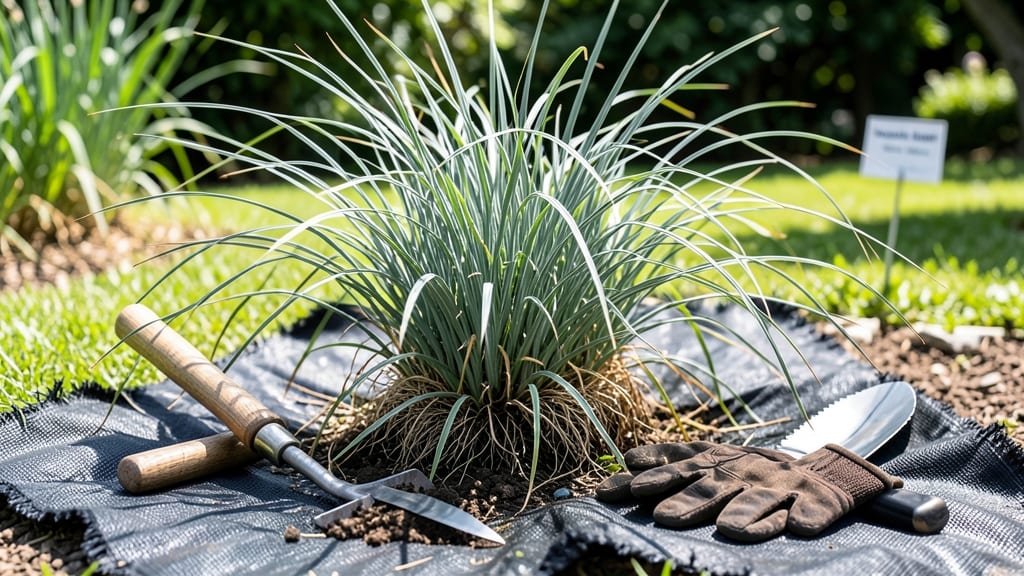
Invasive grass species like crabgrass and nutgrass can turn your lawn into a battleground. 🌱 I’ve spent years fighting these tough weeds, and I’ve found that targeted eradication—not just general spraying—is the only way to win.
The key? Identifying the invader first, then attacking it with the right methods before it spreads further.
Most people make two mistakes: waiting too long to act or using the wrong control method. Crabgrass spreads through seeds and thrives in thin turf, while nutgrass sends out underground tubers that regrow no matter how many times you mow.
The good news? A three-step approach—pre-emergent, post-emergent, and cultural fixes—can stop them in their tracks without harming your grass.
By the end of this, your lawn will be thick, green, and free of those stubborn invaders. You’ll know exactly when to apply pre-emergent, how to spot nutgrass tubers before they sprout, and which grasses outcompete weeds naturally.
No more patchy, weedy messes—just a lawn that stays healthy year after year.
This works for both chemical and natural control, so you can choose what fits your yard and values. Let’s get started—your grass is waiting for a comeback.
The Hidden Triggers Behind Grass Takeovers
Invasive grass species don’t just appear in your lawn by accident—they thrive because of specific conditions you might not even realize you’re creating. Understanding these triggers is the first step to reclaiming your yard. Let’s break down the real reasons these hardy grasses spread like wildfire.
Healthy soil is like a fortress against invaders—when it’s weak, opportunistic grasses move in. Here’s why:
- Compacted or depleted soil: Heavy foot traffic, machinery, or years of neglect compress soil, reducing oxygen and nutrients. This weakens desirable grasses while leaving gaps for invaders like Cogon grass or Nutsedge to exploit.
- Low organic matter: Soil rich in organic material (like compost or decomposed leaves) supports beneficial microbes and fungi that outcompete weeds. If your soil is sandy or clay-heavy with little organic content, invasive grasses gain the upper hand.
- Imbalanced pH levels: Most lawn grasses prefer a pH between 6.0 and 7.0. If your soil is too acidic (<6.0) or alkaline (>7.5), native grasses struggle, while acid-loving species (like Bermuda grass) or alkaline-tolerant types (like Bahia grass) dominate.
Pro tip: Test your soil’s pH and nutrient levels with a DIY kit or send a sample to a local extension office. Amend compacted soil with gypsum or compost, and adjust pH with lime (for acidity) or sulfur (for alkalinity).
Water is the lifeblood of any lawn—but too much (or the wrong kind) can turn your yard into an invasive grass buffet. Here’s how:
- Excessive moisture: Invasive grasses like Crabgrass and Torpedo grass thrive in damp conditions. Overwatering (especially shallow, frequent watering) keeps the topsoil soggy, giving these species a head start while starving deeper-rooted native grasses.
- Poor drainage: Low spots or clay-heavy soil trap water, creating pockets where moisture-loving invaders like Nutsedge (a sedge, not a grass, but just as stubborn) take over. These species spread via underground stolons or rhizomes, making them nearly impossible to eradicate without fixing drainage.
- Irrigation timing: Watering late in the day encourages fungal diseases, which further stress your lawn and leave room for invaders. Early morning (4–8 AM) is ideal to allow foliage to dry quickly.
Pro tip: Audit your watering habits—aim for 1–1.5 inches per week (including rain) and use a soaker hose or drip irrigation to target roots directly. Fix drainage issues with sand or organic matter in low spots, or install a French drain if needed.
Even the best-laid lawn plans can backfire if you skip critical steps. These oversights create perfect conditions for invasive grasses:
- Thin or patchy turf: Bare spots from disease, pet damage, or foot traffic give invaders like Dallis grass or Johnson grass a foothold. These species spread aggressively via seeds or rhizomes, choking out weaker competitors.
- Improper mowing height: Cutting grass too short (scalping) weakens roots, while leaving it too tall creates a shady, moist environment that favors weeds. Most invasive grasses prefer shorter mowing heights (e.g., Bermuda grass at 1–1.5 inches), while native grasses like Kentucky Bluegrass need 2.5–3.5 inches.
- Skipping overseeding: If your lawn is mostly cool-season grass (like Fescue), switching to warm-season grass (like Zoysia) without filling gaps can leave your yard vulnerable to Crabgrass or Goosegrass.
Pro tip: Mow at the highest recommended height for your grass type, and sharpen mower blades to avoid tearing grass (which invites disease). Overseed thin areas in early fall for cool-season grasses or late spring for warm-season types.
Sometimes, invasive grasses win because the natural balance of your lawn has been disrupted. These factors often fly under the radar:
- Lack of biodiversity: Monoculture lawns (single grass species) are more susceptible to invasions because they lack the resilience of mixed plant communities. Invasive grasses exploit the absence of competing ground covers or beneficial insects.
- Pesticide overuse: Broad-spectrum herbicides can kill beneficial microbes and fungi that suppress weeds. Even "selective" herbicides may harm native grasses, leaving room for tougher invaders like Quackgrass.
- Climate shifts: Warmer winters and longer growing seasons expand the range of invasive grasses. For example, Kikuyu grass (native to Africa) now thrives in southern U.S. lawns due to milder climates.
Pro tip: Introduce native ground covers like Clover or Creeping Thyme to crowd out invaders naturally. Reduce synthetic pesticides by using corn gluten meal (a pre-emergent) or vinegar-based sprays for spot treatments.
Now that you know the why, the next step is action. The good news? Most of these triggers are reversible with targeted fixes. Stay tuned for our 3-step eradication plan to kick these invaders to the curb—for good.
Kick Out Intruders Naturally
Invasive grass species don’t stand a chance when you take a strategic, step-by-step approach. The key is to match the right solution to the root cause—whether it’s poor soil health, aggressive spread, or weak turf competition.
Below, we break down practical fixes for each common scenario, plus prevention tips to keep your lawn lush and intruder-free.
These weeds thrive in thin, stressed lawns. The fix? Choke them out with thick, healthy grass and smother their growth early.
🍳 Step 1: Pre-Emergent Barrier (Before They Sprout)
- Apply pre-emergent herbicide (like prodiamine or dithiopyr) in early spring (before weeds germinate).
- Water lightly after application to activate the barrier.
- ⚠️ Warning: Pre-emergents only work before weeds sprout—miss the window, and they’ll be useless.
👨🍳 Step 2: Post-Emergent Attack (If They’re Already There)
- Spot-treat with a selective herbicide (e.g., mesotrione for broadleaf weeds or quinclorac for nutsedge).
- For crabgrass: Use a vinegar-based solution (1 gallon vinegar + 1 oz dish soap) for organic control—just avoid spraying desirable grass.
- Pull nutsedge by hand (it grows in clumps) or use a soapy water spray to suffocate the crown.
🥘 Step 3: Strengthen Your Lawn
- Mow high (3–4 inches) to shade out weeds.
- Overseed bare spots with a dense, competitive grass (like tall fescue or perennial ryegrass).
- Aerate compacted soil to improve water/fertilizer absorption.
Weedy grasses like bermudagrass or dallisgrass take over when soil is too dense or waterlogged. Fix the environment first!
🔪 Step 1: Break Up the Soil
- Rent a core aerator (spring or fall) to pull out soil plugs and reduce compaction.
- Top-dress with compost or sand (50/50 mix) to improve drainage.
⏰ Step 2: Adjust Watering Habits
- Water deeply but infrequently (1–1.5 inches per week) to encourage deep roots.
- Avoid overwatering—weeds like nutgrass thrive in soggy conditions.
💡 Pro Tip:
Test your soil’s pH and nutrient levels. Lime (for acidic soil) or sulfur (for alkaline soil) can help—aim for a pH of 6.0–7.0 for most grasses.
Some invasives (like bahiagrass in warm climates) outcompete cool-season grasses. Adjust your lawn’s species and care routine to match your zone.
🎯 Step 1: Choose the Right Grass
- Cool climates? Plant Kentucky bluegrass or fine fescue.
- Warm climates? Opt for St. Augustine or zoysiagrass.
- Transition zones? Use tall fescue—it handles heat and cold better.
✨ Step 2: Time Your Fertilizer Right
- Fall feeding (for cool-season grasses) boosts root growth before winter.
- Spring/summer feeding (for warm-season grasses) prevents summer dormancy.
📊 Step 3: Solarize or Mulch Out Weeds
- For stubborn patches: Cover with black plastic for 4–6 weeks in hot sun to kill weeds.
- Mow high and leave clippings to smother weeds naturally.
An ounce of prevention beats a pound of cure. Here’s how to lock down your lawn:
- ✅ Mow regularly (never cut more than ⅓ of the grass blade at once).
- ✅ Test soil annually—balanced nutrients = fewer weed opportunities.
- ✅ Dethatch if layer is >½ inch thick (weeds love that space!).
- ✅ Use a sharp mower blade—dull blades tear grass, inviting disease and weeds.
- ✅ Plant native grasses—they’re adapted to your climate and outcompete invasives.
With these targeted fixes, you’ll reclaim your lawn—no more unsightly (or itchy!) intruders. Start with one method, monitor progress, and adjust as needed. Before you know it, your yard will be the greenest on the block!
Frequently asked questions
How can I tell if my lawn has invasive grass species?
Look for unusual growth patterns—invasive grasses often appear in patches with different textures or colors than your main turf. Crabgrass has spiky, finger-like leaves, while nutgrass grows in triangular clumps. Bermuda grass spreads rapidly with thick, creeping runners. Compare samples to online guides or consult your local extension office for ID help.
Will vinegar kill my lawn if I use it on invasive grasses?
Only if you're not careful! Vinegar (acetic acid) is non-selective, meaning it kills all plants it touches. For spot treatment, use a 1:1 vinegar-water mix with 1 teaspoon dish soap on small patches. Apply only to weeds, avoiding your desired grass. For large areas, consider corn gluten meal (a natural pre-emergent) instead.
How long does it take to completely eradicate invasive grasses?
Most invasive grasses require consistent treatment for 1-2 growing seasons. Crabgrass may disappear in one season with proper pre-emergent, but nutgrass (with underground tubers) can take 2-3 years of vigilance. The key is combining pre-emergent barriers, post-emergent spot treatments, and lawn strengthening to prevent regrowth.
Are there any invasive grasses that actually help my lawn?
Some "invasive" grasses can be beneficial if managed properly. Clover (often considered a weed) improves soil nitrogen and stays green in droughts. Creeping red fescue spreads aggressively but crowds out weeds. The trick? Choose native, non-aggressive varieties and maintain them as part of a diverse lawn ecosystem rather than letting them dominate.
What's the best time of year to treat invasive grasses?
Timing is everything! Apply pre-emergent herbicides in early spring (before weeds sprout) and post-emergent treatments in late spring/early summer. For warm-season grasses like Bermuda, focus on fall treatments to prevent next year's growth. Always check product labels for specific timing instructions—some work best at different life stages of the weeds.