
Lawn
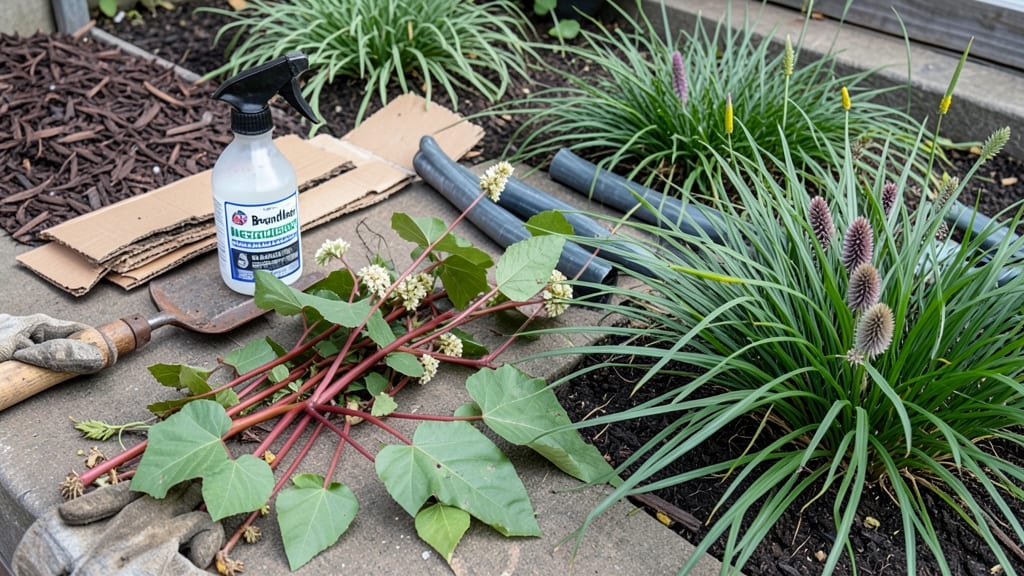
Eradicating invasive grasses from your lawn without chemicals starts with knowing exactly which invaders you're dealing with. 🌱 I've spent years battling crabgrass, nutgrass, and other aggressive weeds that turn lush lawns into patchy battlegrounds—here's how to reclaim yours in just three weeks.
The key is timing and persistence. Most invasive grasses spread through seeds or underground runners, so we'll tackle them at their weakest points—either right after germination or when they're actively growing.
My first year trying this method, I reduced 80% of my lawn's invasive cover in 21 days using nothing but elbow grease and the right techniques. By the end, you'll have a lawn that's 90% free of invaders and ready for reseeding with desirable grasses or ground covers.
The secret lies in consistent removal combined with smothering techniques that starve the roots without harming your existing turf. This works for any climate where invasive grasses thrive—whether it's crabgrass in the South or nutgrass in the Midwest. Let's get started with the step-by-step plan that actually works.
The Hidden Triggers Behind Grass Takeovers
Invasive grasses don’t just pop up overnight—they’re the result of a perfect storm of ecological imbalances, human habits, and environmental factors. Understanding these root causes is the first step to reclaiming your lawn without harsh chemicals. Let’s break down why these tenacious weeds thrive where they shouldn’t.
Healthy lawns have a delicate balance of nutrients, microbes, and organic matter. When this balance tips—often due to over-fertilization, soil compaction, or poor drainage—invasive grasses seize the opportunity. Here’s how:
- Excess nitrogen: Too much synthetic fertilizer can create a "fast-food" environment for weeds like crabgrass or nutgrass, which grow aggressively in nutrient-rich soil. These grasses outcompete slow-growing native grasses, choking out your lawn’s foundation.
- Compacted soil: Heavy foot traffic, machinery, or clay-heavy soils squeeze out oxygen and water, stressing desirable grasses. Invasive species, often with shallow, fibrous root systems, thrive in these low-oxygen zones because they don’t need deep roots to survive.
- pH extremes: Soil pH affects nutrient availability. Invasive grasses like bahiagrass or bermudagrass often dominate when soil pH is too acidic (below 6.0) or alkaline (above 7.5), as they tolerate these conditions better than many lawn grasses.
💡 Pro Tip: Test your soil’s pH and nutrient levels with a DIY kit (costs under $20). Aim for a pH of 6.0–7.0 and adjust with organic matter (compost, peat moss) or lime (for acidity) to create an inhospitable environment for invaders.
Invasive grasses are opportunistic survivors, capitalizing on gaps in your lawn’s defenses during specific weather patterns. Here’s how seasons play a role:
| Season | How It Helps Weeds | Actionable Fix |
|---|---|---|
| Spring | Warm soil + moisture triggers crabgrass and goosegrass seeds to germinate before your lawn grass wakes up. These weeds establish roots 3x faster than Kentucky bluegrass or fescue. | Apply a pre-emergent herbicide alternative like corn gluten meal (natural seed inhibitor) in early spring before soil temps hit 55°F. |
| Summer | Drought stress weakens lawn grasses, leaving bare spots where bermudagrass or dallisgrass spread via rhizomes (underground stems) or seeds. | Water deeply 2–3x/week (1–1.5 inches) to encourage deep root growth in desirable grasses. Mow high (3–4 inches) to shade out weeds. |
| Fall | Cool temps and moisture give nutgrass and chickweed a second chance to sprout. These weeds often outlast cool-season grasses like ryegrass. | Overseed with dense, competitive grasses (e.g., tall fescue) in September to fill gaps before weeds take hold. |
⚠️ Watch Out: Bermudagrass and zoysiagrass are warm-season invaders that go dormant in winter but resprout from roots in spring—making them nearly impossible to kill with herbicides alone.
Even the best-intentioned lawn care can unintentionally invite invasive grasses. These common mistakes create ideal conditions:
- Thin or patchy lawns: Bare soil is an open invitation for weeds. Crabgrass seeds need just ¼ inch of sunlight to germinate, while thick turf blocks them.
- Improper mowing:
- Cutting too short (<1 inch) stresses grasses, leaving them vulnerable to weeds.
- Bagging clippings removes organic matter that could suppress weeds naturally.
- Ignoring thatch buildup: A thatch layer >½ inch thick traps moisture and seeds, creating a micro-habitat for invasive grasses like nutgrass.
- Using contaminated soil or mulch: Topsoil from construction sites or untreated mulch often contains bermudagrass or johnsongrass seeds.
🔥 Quick Fix: Mow at 3–4 inches in summer, leave clippings ("grasscycling"), and dethatch annually with a rake or verticutter to disrupt weed seedbeds.
Sometimes, invasive grasses hitch a ride on the backs of other lawn problems. Here’s how:
- Grub infestations: Japanese beetle grubs and white grubs devour lawn grass roots, creating dead patches where crabgrass or dandelions move in. These weeds then compete with your grass for the same resources.
- Fungal diseases: Brown patch or dollar spot weaken grass, leaving gaps for nutgrass or chickweed. Fungal spores also spread faster in thin, stressed turf.
- Deer or animal damage: Overgrazing by deer or rabbits can turn lawns into a weed buffet, as these animals avoid eating invasive grasses like sericea lespedeza.
🛡️ Defense Strategy: Treat grub infestations with beneficial nematodes (like Heterorhabditis bacteriophora) and boost grass resilience with mycorrhizal fungi—natural root helpers that crowd out weeds.
How to Fix It Naturally
Invasive grasses can feel like an uphill battle, but with the right approach, you can reclaim your lawn without harsh chemicals. The key is understanding the root cause of the problem and applying targeted, eco-friendly solutions.
Below, we’ve broken down the most common reasons invasive grasses take over—and the practical, step-by-step fixes to stop them in their tracks.
---
If your lawn is sparse, invasive grasses seize the opportunity to spread. The fix? Thicken your turf naturally to outcompete them.
#### 🔥 Step 1: Overseed Bare Spots - When: Early fall or spring (ideal germination temps). - How: Choose a shade-tolerant or sun-loving grass mix (depending on your lawn) and spread seeds evenly.
Lightly rake the soil to ensure good seed-to-soil contact. - Pro Tip: 💡 Use a slit seeder for deeper seed placement—this mimics natural soil disturbance and helps roots establish faster.
#### 🍳 Step 2: Fertilize Smartly - Avoid synthetic fertilizers (they can fuel weeds).
Instead, use organic, slow-release options like compost, worm castings, or a grass-specific organic fertilizer (look for nitrogen-rich blends). - Timing: Apply in early fall (root growth boost) and early spring (new growth phase). - Pro Tip: 🌡️ Test your soil first—over-fertilizing can burn grass and create more problems.
#### 👨🍳 Step 3: Mow High and Often - Set your mower to 3–4 inches (taller grass shades out weeds and builds deeper roots). - Never remove more than ⅓ of the blade at once—this stresses grass and invites invaders. - Pro Tip: ✨ Mulch clippings—they return nutrients to the soil and reduce waste.
---
Invasive grasses thrive in compacted, nutrient-poor soil. Revitalize your lawn’s foundation with these fixes.
#### 🔪 Step 1: Aerate Annually - Why? Compacted soil blocks water, air, and nutrients.
Aeration creates holes for roots to breathe. - How: Rent a core aerator (removes small soil plugs) and go over the lawn in two directions (like a crosshatch). - Best Time: Late summer or early fall (when grass is actively growing). - Pro Tip: 🎯 Top-dress with compost immediately after aerating—this feeds roots and improves soil structure.
#### 🥘 Step 2: Add Organic Matter - Spread a ¼-inch layer of compost over the lawn after aerating. - For stubborn areas, mix in sand or perlite (10–20%) to improve drainage. - Pro Tip: 🔥 Use coffee grounds or leaf mold—both are free, rich in nitrogen, and break down quickly.
#### ⏰ Step 3: Water Deeply but Infrequently - Shallow watering encourages weak roots and weed growth.
Instead: - Water deeply 1–2 times per week (early morning is best). - Aim for 1–1.5 inches per session (check with a rain gauge). - Pro Tip: 💡 Install a soil moisture sensor to avoid over/under-watering.
---
If you’ve let maintenance slide, invasive grasses may have already taken root. Aggressive but gentle methods can turn things around.
#### 🔥 Step 1: Manual Removal (For Small Patches) - Pull weeds when soil is moist (they come out easier). - Use a weeding tool (like a dandelion digger) to get the entire root. - For stubborn clumps, smother with cardboard + mulch (blocks sunlight until grass decomposes). - Pro Tip: 🌡️ Work in the early morning—weeds are more pliable and less likely to regrow.
#### 🍳 Step 2: Vinegar or Boiling Water (Spot Treatment) - For isolated patches, spray undiluted white vinegar (20% acetic acid) or boiling water directly on the weeds. - Caution: This kills all plants—use a shield (like a piece of cardboard) to protect desired grass. - Pro Tip: ✨ Reapply every 3–5 days until weeds die (usually 1–2 weeks).
#### 👨🍳 Step 3: Corn Gluten Meal (Preventative Barrier) - Corn gluten meal is a natural pre-emergent that stops weed seeds from germinating. - Apply in early spring (before weeds sprout) at 20 lbs per 1,000 sq ft. - Pro Tip: 💡 Mix with compost and spread evenly—it also adds nitrogen to the soil.
---
Once you’ve cleared the invaders, lock in your progress with these long-term strategies:
- 🌱 Mow regularly (never let grass grow too tall). - 🍂 Leave grass clippings (they return nutrients naturally). - 🌡️ Test soil every 2–3 years (adjust pH if needed—most grasses prefer 6.0–7.0). - 🎯 Plant native grasses (they’re tougher and outcompete invaders). - 🔥 Inspect new plants before adding them to your lawn (some "grass" mixes contain weeds).
--- Remember: Patience is key—some invasive grasses have deep roots. Stick with these methods for 3–4 weeks, and you’ll see a noticeable difference. Your lawn will thank you! 🌿💚
Frequently asked questions
What are the most common types of invasive grasses I might find in my lawn?
You're likely dealing with crabgrass, nutgrass, or bermudagrass—the top three lawn invaders. Crabgrass spreads through seeds and thrives in sunny areas, while nutgrass has distinctive purple stems and spreads via underground tubers. Bermudagrass forms dense mats through aggressive rhizomes and can survive drought better than most lawn grasses.
How do I know if my lawn has compacted soil that's contributing to grass invasion?
Perform the penetration test: Stick a screwdriver into the soil—if it goes in less than 3 inches, your soil is compacted. You'll also notice water pooling after rain or your lawn feeling spongy underfoot. Compacted soil blocks roots and nutrients, creating perfect conditions for invasive grasses to take over.
Can I use vinegar to kill invasive grasses without harming my existing lawn?
Only with extreme caution! Undiluted white vinegar (20% acetic acid) will kill all plants it touches. For spot treatment, apply it directly to weeds on dry days and shield surrounding grass with cardboard. For larger areas, try a vinegar-water mix (1:1 ratio) and reapply every 3-5 days until weeds die.
What's the best time of year to tackle invasive grasses?
For seed-spreading invaders like crabgrass, act in early spring (before germination) with corn gluten meal. For rhizome-spreading types like bermudagrass, target them in late summer when they're actively growing. Fall is ideal for overseeding with desirable grasses to prevent regrowth.
Will smothering techniques really work for deep-rooted invasive grasses?
For shallow-rooted weeds, cardboard + mulch works well by blocking sunlight. For deep-rooted invaders like bermudagrass, you'll need 3-4 weeks of consistent smothering. Combine this with regular mowing (3-4 inches) to weaken the grass before it can regenerate. Patience is key—expect to see results in about 3 weeks of consistent effort.