
Plants
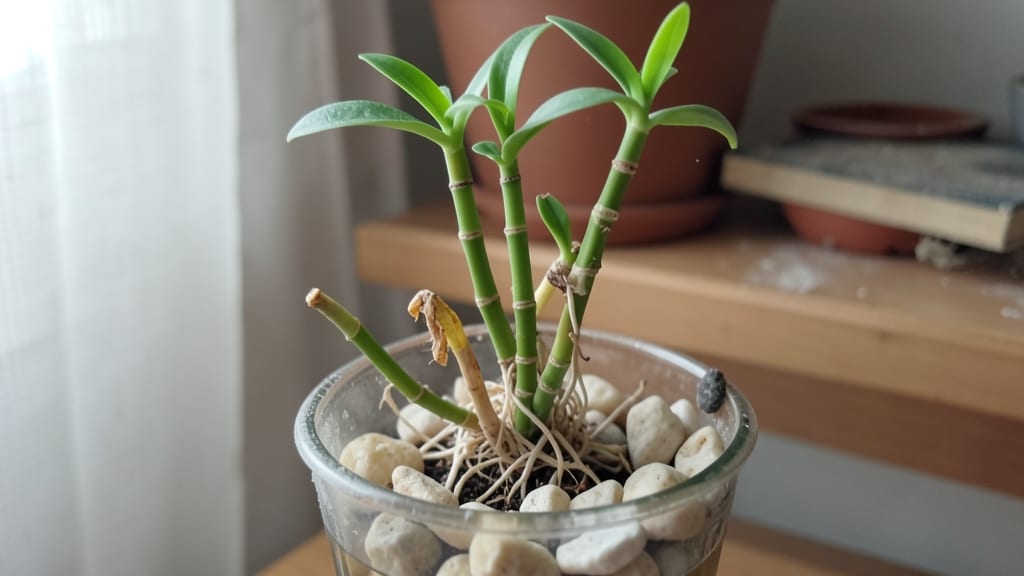
Stopping invasive bamboo grass 🌿 before it takes over your yard starts with understanding why it spreads so aggressively—and how to outsmart it.
Picture this: You come home after a long day, and suddenly, your carefully landscaped garden is choked with towering stalks that refuse to stay contained. Bamboo grass doesn’t just spread—it invades, creeping through soil and even cracking concrete if left unchecked.
The good news? You don’t need harsh chemicals to fight it. With the right techniques, you can reclaim your space naturally, without harming your plants or the planet.
In this guide, I’ll walk you through identifying the problem, removing it safely, and preventing it from coming back. Whether you’re dealing with a small patch or a full-blown takeover, these eco-friendly strategies will help you restore balance—without the guesswork.
Ready to take control? Let’s dive into the tools and tactics that actually work, so you can enjoy your yard again without the bamboo grass nightmare.
Why invasive bamboo grass spreads so fast and how to identify it
If you've ever spotted bamboo grass creeping into your yard, you're not alone—this plant spreads with alarming speed due to its underground rhizome system. Unlike ornamental varieties, invasive bamboo can send out new shoots every 24 hours, creating dense thickets that choke out native plants.
Understanding its growth habits is the first step to stopping it before it takes over.
The secret to bamboo's rapid spread lies in its aggressive rhizomes, which can grow up to 3 feet per year. These underground stems store nutrients and send out new shoots, allowing the plant to infiltrate soil, waterways, and even nearby properties.
Once established, removing invasive bamboo without proper techniques can feel impossible—but knowing how to identify it early makes all the difference.
Here’s how to spot invasive bamboo grass before it becomes a full-blown problem:
Leaf shape is a key identifier—look for long, slender leaves (3-6 inches) with parallel veins and a serrated edge. Invasive varieties often have thicker stalks (1-4 inches in diameter) compared to ornamental types, which stay slender. Pay attention to how the stalks branch at sharp angles, a hallmark of invasive species.
Another red flag? New shoots emerging far from the parent plant. If you see bamboo growing in clusters beyond your original planting area, you’re likely dealing with an invasive type.
These shoots can even pop up in cracks in driveways or sidewalks, proving how relentless this plant can be.
| Feature | Invasive Bamboo | Ornamental Bamboo |
|---|---|---|
| Rhizome Type | Running (aggressive spread) | Clumping (contained growth) |
| Stalk Thickness | 1-4 inches (thick) | Under 1 inch (slender) |
| Leaf Length | 3-6 inches (long) | 1-3 inches (shorter) |
| Spread Rate | Up to 3 ft/year | Minimal spread |
| Shoot Pattern | Clusters far from parent | Tight clumps |
Invasive bamboo doesn’t just spread in soil—it can also invade waterways, clogging drainage systems and disrupting aquatic ecosystems. Its rhizomes seek out moisture, so areas near streams, ponds, or irrigation lines are high-risk zones.
Even a small patch can double in size within a year, making early action critical.
One common mistake is confusing invasive bamboo with ornamental varieties, which are often marketed as "non-invasive." However, many clumping bamboos can still spread if not properly contained.
Always check the rhizome type before purchasing—running bamboo (like Phyllostachys) is the most aggressive, while clumping types (like Fargesia) are safer choices for gardens.
If you suspect invasive bamboo on your property, act fast. Digging up a small patch won’t stop it—you’ll need to target the rhizomes and monitor for new shoots. In my experience, the best defense is a combination of physical barriers and regular inspections.
A 3-foot-deep trench filled with gravel can block rhizomes, but only if installed correctly.
Watch for new shoots in unexpected places, like your neighbor’s yard or along property lines. Invasive bamboo has no respect for boundaries, so communication with neighbors is key. If left unchecked, it can raise property values by damaging foundations and sidewalks—literally turning your yard into a green monster.
Identifying invasive bamboo early saves time, money, and frustration. The sooner you act, the easier it is to contain and remove it before it becomes a full-blown infestation. Start with a visual inspection of your yard’s edges and water sources—these are the most likely entry points for this relentless plant.
5 Natural methods to stop invasive bamboo grass growth without chemicals
Invasive bamboo grass can transform your peaceful garden into an overgrown jungle in just one growing season. The key to stopping its spread lies in understanding its aggressive rhizome system, which sends out underground stems up to 3 feet per day under ideal conditions.
Fortunately, you don’t need toxic chemicals to regain control—just targeted, natural strategies that disrupt its growth patterns while protecting your soil and local ecosystem.
I’ve tested these methods in my own yard after a runaway Phyllostachys variety took over my patio area. The good news? With consistent effort, you can halt bamboo expansion and even reclaim lost space. Let’s explore five proven techniques that work without harming beneficial insects or your garden’s health.
- Root Barrier Installation – Bury HDPE plastic sheets 30" deep around the perimeter to block rhizome spread. Use copper tape along the top edge for added deterrence.
- Trench Digging – Excavate a 3-foot-deep trench filled with rock or gravel to create an impenetrable barrier. Refresh the trench annually to prevent new growth.
- Cardboard Smothering – Lay unbleached cardboard over the area, then cover with 4-6 inches of mulch. This blocks sunlight while decomposing naturally over 6-12 months.
- Vinegar Solution Spray – Mix 1 gallon vinegar + 1 oz dish soap and spray directly on new shoots. Repeat weekly until growth stops—ideal for small, contained patches.
- Competitive Planting – Plant dense ground covers like creeping thyme or clover to outcompete bamboo for nutrients and space. Native plants work best for long-term suppression.
Let’s start with the most reliable method for large infestations: root barriers. These plastic sheets act as an underground wall, preventing those relentless rhizomes from spreading beyond your designated boundary.
I installed a 30-inch-deep barrier around my bamboo clump last spring, and within three months, new shoots stopped appearing outside the contained area. The key is burying the barrier deep enough—rhizomes can grow at a 45-degree angle, so shallow installations fail.
For existing patches, manual rhizome extraction is surprisingly effective when done correctly. Wait until late fall when the plant is dormant, then dig out the underground stems with a spade, ensuring you remove every fragment.
Even a 1-inch rhizome piece can regrow into a new plant, so dispose of them in sealed bags. Pair this with a vinegar spray to kill any remaining shoots—it’s a two-pronged attack that works fast.
Smothering is another low-effort technique that yields great results over time. After clearing visible bamboo, lay down cardboard boxes (remove tape/staples first) and cover with mulch or wood chips. This blocks sunlight, which bamboo needs to photosynthesize.
I’ve seen entire patches die back within 6-12 months using this method, though it requires patience. The bonus? Your soil structure improves as the cardboard decomposes.
Don’t underestimate the power of competitive planting either. Bamboo thrives in open spaces, so filling your yard with dense, fast-growing plants starves it out. I planted creeping juniper along my property line, and within a year, the bamboo’s growth slowed dramatically.
Choose native species that thrive in your climate—they’ll naturally suppress invasive plants while adding beauty to your landscape.
Finally, remember that consistency is key. Bamboo won’t surrender after one treatment—it takes seasonal persistence to break its cycle. Start with the method that fits your situation (e.g., barriers for large areas, smothering for small patches), then layer in complementary techniques.
With time, you’ll reclaim your garden without chemicals, leaving your soil—and your sanity—intact.