
Lawn
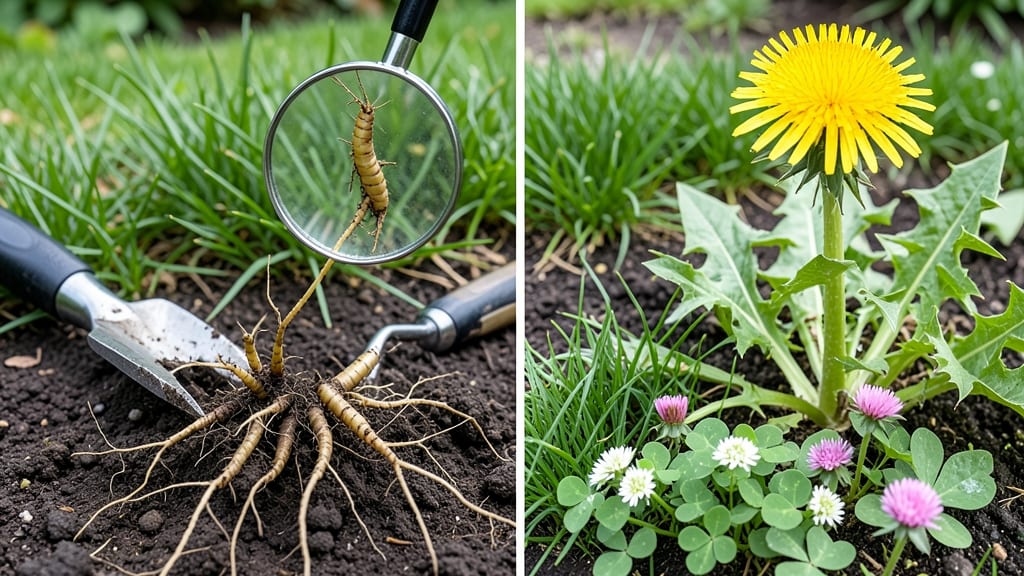
New Jersey lawns fight a losing battle against the common NJ lawn weeds—creeping Charlie, crabgrass, and dandelions—every spring, until you know their tricks. 🌱 I’ve spent years wrestling with these stubborn invaders, and the secret isn’t brute force but smart timing and targeted action.
The moment you spot these weeds, they’ve already dropped seeds for next year’s takeover.
Creeping Charlie spreads like a green carpet, crabgrass sends up wiry stalks that choke grass roots, and dandelions pop up where you least expect them. The good news? NJ’s humid summers and clay-heavy soil give weeds predictable patterns—once you recognize them, you can outsmart them before they ruin your yard.
You’ll learn how to pull weeds at the right stage (before they root deep), use natural vinegar sprays for spot treatment, and adjust your mowing height to starve out crabgrass.
The payoff? A lawn so thick and healthy that weeds can’t find a foothold—no more digging up dandelions by hand every weekend.
Works for shady yards, sunny patches, and everything in between. Let’s reclaim that grass—starting with the weeds you’re seeing right now.
📚 In This Guide
- What you need
- Instructions
- Tips and common mistakes
- Wrapping up and next steps
What you need
- ● Hand trowel or weeding tool – A sturdy, ergonomic design (e.g., Fiskars or Radiah) for precise removal.
- ● Garden gloves – Heavy-duty, chemical-resistant (e.g., GlovesUSA nitrile-coated) to protect your hands.
- ● Broadcast spreader – For even herbicide or pre-emergent application (e.g., Scotts 10000 or Brill 10000).
- ● Garden hose with adjustable nozzle – For rinsing tools and diluting herbicides (e.g., Flexzilla or Rain Bird).
- ● Labelled spray bottles – 1–2 (16–32 oz) for targeted herbicide application (e.g., Growers Supply or Rust-Oleum).
- ● Lawn weed identifier guide – A printed chart or mobile app (e.g., PlantNet or iNaturalist) for ID’ing weeds.
- ● Pre-emergent herbicide – Corn gluten meal (organic) or pendimethalin (synthetic) for prevention.
- ● Post-emergent herbicide – Selective (e.g., 2,4-D) or non-selective (e.g., glyphosate) based on weed type.
- ● Mulch or landscape fabric – Organic (straw) or synthetic (polypropylene) to smother weeds long-term.
- ● Soil test kit – To check pH/nutrients (e.g., Luster Leaf) before treating.
- ● Knee pad or kneeling mat – For comfort during long weeding sessions.
- ● Trash bags (heavy-duty) – For disposing of pulled weeds (seal tightly to avoid spread!).
- ● Solar-powered weed burner – For spot treatment (e.g., WeedZapper).
- ● Lawn calculator – To measure area for precise herbicide dosing (e.g., Scotts app).
How to identify and eradicate common NJ lawn weeds
New Jersey’s humid summers and clay-heavy soil create the perfect storm for stubborn weeds. Here’s how to spot the worst offenders and stop them before they take over.
🌱 Step 1: Learn the Top 4 NJ Weeds to Watch For
Start by familiarizing yourself with the most aggressive weeds in your state. Crabgrass spreads in thin patches with jagged, finger-like leaves and thrives in sunny lawns. Dandelions pop up in spring with bright yellow flowers and deep taproots that regrow even after pulling. Clover forms dense mats with trifoliate leaves, often crowding out grass. Finally, nutsedge (not a grass!) shoots up with triangular stems and yellow nutsedge or purple nutsedge flowers.
Walk your lawn with a magnifying glass or phone camera to compare what you see against photos. Pay special attention to edges, driveways, and shady spots—these are hotspots for weeds. I like to take notes on where each type appears so I can target treatments later. If you see a weed you don’t recognize, snap a photo and check the NJ Agricultural Extension’s weed ID guide.
🌿 Step 2: Pull or Dig Weeds at the Right Time
Timing is everything. Pull weeds when the soil is moist (after rain or watering) but before they seed—this is usually late spring to early summer for annuals like crabgrass and dandelions. For perennials like clover and nutsedge, dig when the ground is soft, as their deep roots resist shallow pulling. Use a weeding tool or fork for stubborn roots—don’t just yank, or you’ll snap the weed and leave the root behind.
Here’s the thing—don’t bag the weeds. Instead, drop them in a trash can or compost pile only if it’s sealed and heated (weeds can regrow from scraps). I keep a small bucket by my garden gate to toss weeds immediately. If you’re dealing with nutsedge, soak the area first—its rhizomes are slippery and hard to remove dry.
💧 Step 3: Apply Pre- and Post-Emergent Herbicides Strategically
For crabgrass, use a pre-emergent herbicide in early spring (before germination) and again in late summer to prevent fall seeds from sprouting. Products with pendimethalin or prodiamine work well in NJ. For broadleaf weeds like dandelions and clover, a post-emergent herbicide with 2,4-D (like Ortho Weed B Gon) is effective—but only apply when grass is dry and avoid windy days to prevent drift onto flowers or veggie gardens.
Spot-treat stubborn weeds with a vinegar-based herbicide (5% acetic acid) for organic control. Mix 1 gallon white vinegar + 1 cup dish soap + 1 cup salt in a spray bottle and apply on a warm, sunny day (the soap breaks down the waxy leaf coating). Reapply every 3-5 days until the weed dies. This won’t kill nutsedge, though—it’s too tough for vinegar alone.
✂️ Step 4: Strengthen Your Lawn to Outcompete Weeds
A thick, healthy lawn crowds out weeds naturally. Mow high (set your mower to 3-4 inches) to shade the soil and prevent weed seeds from getting sunlight. Aerate in early fall to relieve compacted NJ clay soil, then overseed with a mix of tall fescue and perennial ryegrass—these grasses handle shade and drought better than Kentucky bluegrass.
Feed your lawn with a slow-release fertilizer (like 16-4-8) in early spring and fall, and water deeply but infrequently (1 inch per week). Weeds thrive in dry, patchy lawns, so consistent moisture keeps grass competitive. I also top-dress with compost in spring to improve soil health—this gives grass roots a boost while smothering emerging weed seedlings.
☀️ Step 5: Prevent Regrowth with Mulch and Barriers
After pulling weeds, cover bare soil with mulch (like shredded bark or straw) to block sunlight and prevent new seeds from germinating. For stubborn weeds along driveways or sidewalks, install landscape fabric under mulch to create a weed barrier. In garden beds, apply a thick layer of wood chips (4-6 inches) to suppress weeds naturally.
Pay extra attention to lawn edges and cracks in pavement—these are weed magnets. Seal cracks in driveways with asphalt patch and fill gaps in sidewalks with gravel or sand. I also sweep driveways regularly to remove weed seeds before they take root. Consistency is key: check your lawn weekly in spring and summer to catch weeds before they spread.
Tips & tricks for eradicating NJ lawn weeds
Real talk: Even the best-laid lawn plans can get derailed by weeds. Here's how to stay one step ahead of NJ's toughest invaders.
Weed Identification Shortcut: When you're out there comparing weeds to photos, focus on these three key features: leaf shape, growth pattern, and root structure. Crabgrass leaves have that distinctive jagged edge, while dandelions have deeply lobed leaves that form a rosette. For nutsedge, look for those triangular stems that feel slippery when wet—it's not a grass, so it won't respond to grass-specific treatments. I keep a small notebook in my gardening vest to sketch what I see, which makes identification much easier later.
Timing Secret for Pulling: The instructions mention pulling weeds when soil is moist, but here's what nobody tells you—morning is actually the best time. Dew-covered lawns in early morning provide that perfect moist-but-not-soggy condition, and the weeds are still turgid (full of water) from overnight hydration. This makes them easier to pull without breaking. For nutsedge specifically, I've found that soaking the area with a hose for 10-15 minutes before digging makes those rhizomes much easier to extract.
Herbicide Application Strategy: When using that vinegar mixture from Step 3, here's my game-changer: add a few drops of liquid dish soap to your spray bottle before mixing. The soap acts as a surfactant, helping the vinegar penetrate the waxy coating on weed leaves more effectively. For chemical herbicides, always apply when winds are under 5 mph—this prevents drift that could harm nearby plants. I also recommend wearing gloves and eye protection, as some herbicides can cause skin irritation or eye burns.
Lawn Strengthening Hack: That 3-4 inch mowing height recommendation isn't just about shade—it's also about creating a physical barrier. Taller grass shades out 70-80% of sunlight that weed seeds need to germinate. I've found that setting my mower to 3.5 inches gives me that perfect balance between weed suppression and grass health. And when aerating, don't just focus on the lawn—extend that to garden beds too, as compacted soil makes weed roots even more stubborn.
Pro Tips for Common Nj Lawn Weeds
- Real talk: Even the best-laid lawn plans can get derailed by weeds.
- Weed Identification Shortcut: When you're out there comparing weeds to photos, focus on these three key features: leaf shape, growth pattern, and root structure.
- Timing Secret for Pulling: The instructions mention pulling weeds when soil is moist, but here's what nobody tells you—morning is actually the best time.
Frequently asked questions
What are the most aggressive weeds in New Jersey lawns, and how do I spot them?
New Jersey’s humid climate makes crabgrass, dandelions, and nutsedge particularly pesky. Look for crabgrass’s sprawling, finger-like blades or dandelions’ bright yellow flowers. Nutsedge, with its triangular stems, often pops up in damp areas. Early identification is key—pull them before they seed!
When is the best time to treat weeds in my NJ lawn?
Timing matters! For pre-emergent control (like crabgrass), apply in early spring (March–April) or late summer (August–September). Post-emergent herbicides work year-round but are most effective when weeds are actively growing. Pro tip: Wait for temps above 55°F for best results!
Are there affordable DIY methods to kill weeds without chemicals?
Try vinegar-based sprays (1 gallon vinegar + 1 oz dish soap) for spot treatment—just avoid desirable plants. Hand-pulling works for small patches, especially after rain when soil is soft. For stubborn weeds like nutsedge, smother them with cardboard or mulch for 4–6 weeks.
Why do weeds keep coming back even after I treat them?
Weeds often return due to dormant seeds in the soil, poor lawn health, or missed spots. Fix it: Improve your lawn’s density with proper watering (1 inch/week) and mowing (3–4 inches tall). Reapply herbicides as needed, and consider a pre-emergent next season to break the cycle.
Will treating weeds harm my grass or pets?
Most selective herbicides target weeds without damaging grass, but always follow label instructions. For pets, avoid treating areas where they play for 24–48 hours. Opt for pet-safe options like corn gluten meal (pre-emergent) or manual removal to stay safe. Pro tip: Test a small patch first!
Wrapping up and next steps
Identifying and tackling common NJ lawn weeds doesn’t have to be a daunting task—with the right knowledge and tools, you can reclaim a lush, weed-free yard! 🌱 Remember, consistency is key: monitor your lawn regularly, act quickly at the first sign of weeds, and choose the best method (organic or chemical) for your needs.
Ready to take action? Start by inspecting your lawn this weekend—grab a magnifying glass, compare those pesky invaders to our guide, and pick your battle plan. A little effort now will save you big headaches (and dollar signs) later!