
Lawn
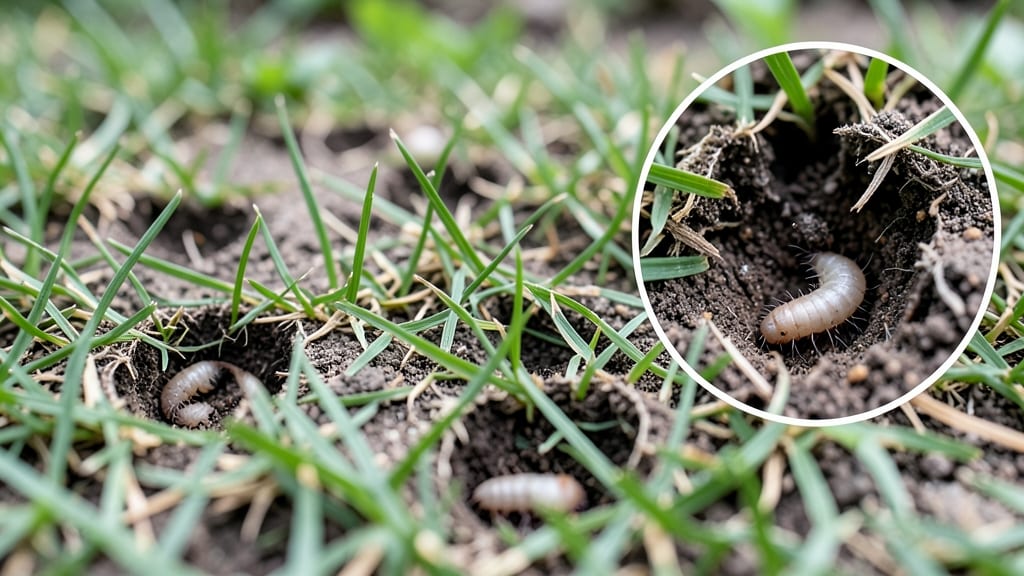
Insect holes in lawns aren't just unsightly—they're a sign your grass is under siege by grubs, chinch bugs, or even moles. 🌱 I've seen healthy lawns turn into patchy brown messes overnight, but the good news?
You can revive your grass in just 72 hours with the right approach. The key is identifying the culprit first, then striking back with targeted solutions that work fast without harming your yard long-term.
Most damage comes from grubs—those C-shaped white larvae munching on roots—or chinch bugs, which suck the life out of grass blades. Moles might be digging tunnels, but they're usually chasing the same pests. The first step is simple: lift a small section of sod after watering.
If you see grubs, you've found your problem. For chinch bugs, look for tiny black bugs on the grass blades, and moles leave behind irregular tunnels and mounds.
Once you know what you're dealing with, the fix is straightforward. For grubs, milky spore or beneficial nematodes work wonders naturally, while neem oil targets chinch bugs effectively. Moles? Castor oil-based repellents or ultrasonic devices send them packing without harm.
The best part? These methods don't just kill pests—they restore your lawn's health so it bounces back stronger than ever.
Prevention is where the real magic happens. Aerate your lawn in the fall, water deeply but infrequently, and overseed bare spots. These steps make your grass tougher and less appealing to pests.
Within a week, you'll see new growth filling in those holes, and your lawn will look like it never faced an invasion. Ready to turn things around?
Root Causes of Lawn Surface Damage
If your lawn looks like it’s been attacked by tiny, invisible golfers, those unsightly holes are likely the work of hungry insects burrowing beneath the surface. But why do they choose your yard? The answer lies in a mix of environmental factors, plant health, and the insects’ natural behaviors.
Understanding these triggers helps you take targeted action—before the damage spreads. Here’s what’s really going on under your grass.
Grubs and other soil-dwelling insects thrive in moist, oxygen-depleted environments. When your lawn stays soggy—whether from overwatering, clay soil, or poor drainage—it creates the perfect buffet. Here’s how it happens:
- Excess moisture softens the soil, making it easier for larvae (like Japanese beetle grubs) to tunnel deeper.
- Fungal growth in waterlogged areas attracts insects seeking food or shelter.
- Root stress weakens grass, making it easier for pests to chew through and create holes.
Actionable fix: Test your soil’s drainage by digging a 6-inch hole and filling it with water. If it drains slower than 4 hours, amend with sand or compost to improve aeration. Water deeply but less frequently—aim for 1 inch per week.
A thick layer of thatch (decomposing grass clippings and roots) acts like a cozy blanket for insects. Why? Because:
- Thatch traps moisture, creating a humid microclimate that grubs love.
- Weak or thin grass can’t compete with pests, leaving bare spots where insects can feast undisturbed.
- Slow-growing grass (often due to nutrient deficiencies) is easier to penetrate.
Actionable fix: Dethatch if the layer exceeds ½ inch using a rake or vertical mower. Overseed bare patches and fertilize with high-nitrogen, slow-release granules to strengthen roots. Mow high (3–4 inches) to shade out weeds and reduce stress.
Most lawn pests follow a predictable schedule, and their activity peaks during specific times. For example:
| Insect | Peak Activity | Why Your Lawn Becomes a Target |
|---|---|---|
| Japanese Beetle Grubs | Late summer to fall | Females lay eggs in warm, moist soil; larvae hatch and devour roots for months. |
| Chinch Bugs | Spring to early summer | Adults inject toxic saliva into grass, killing patches; nymphs burrow to feed. |
| Sod Webworms | Summer (June–August) | Caterpillars chew grass blades at ground level, creating irregular holes. |
| Ants (e.g., Fire Ants) | Year-round (worst in heat) | Dig tunnels for nests, disturbing roots and creating mounds with exposed holes. |
Actionable fix: Monitor your lawn’s health seasonally. Apply beneficial nematodes in early fall (for grubs) or use milky spore bacteria to target Japanese beetles long-term. For chinch bugs, focus on drought-stressed areas first.
Insects are cold-blooded, meaning they’re most active when temperatures are warm but not scorching (typically 70–85°F). Sudden changes—like a hot summer followed by a rainy spell—can trigger outbreaks:
- Rapid warming speeds up egg hatching (e.g., grubs emerge faster in spring after a cold snap).
- Heavy rains after drought create ideal conditions for fungal growth, which attracts grubs.
- Mild winters allow overwintering pests to survive and reproduce more aggressively.
Actionable fix: Use a soil thermometer to track temperature spikes. If grubs are active (soil temps >65°F), apply neem oil or Bt (Bacillus thuringiensis) to disrupt their life cycle. Mulch with straw or wood chips to moderate soil temps in extreme climates.
💡 Pro Tip: The key to stopping holes is breaking the insect’s life cycle—not just treating symptoms. Combine cultural fixes (like drainage and mowing) with targeted pesticides (like nematodes) for the best results. Next, we’ll cover how to identify the specific pest causing your lawn’s damage.
Quick Fixes for Lawn Repair
Fixing insect holes in your lawn starts with identifying the culprit, then applying the right solution. Below, we’ve mapped out practical, step-by-step fixes for common causes—plus tips to keep your grass lush and hole-free.
Fix: Target grubs before they destroy roots.
- 🔥 Apply a Grub Killer
- Use imidacloprid-based granules or neonicotinoid treatments (follow label instructions).
- Water lightly after application to activate the soil.
- 🍳 DIY Nematode Treatment (Organic Option)
- Purchase beneficial nematodes (like Heterorhabditis bacteriophora) from garden centers.
- Mix with water and apply in the evening (nematodes die in sunlight).
- 👨🍳 Aerate & Overseed
- Rent a core aerator to loosen compacted soil.
- Spread high-quality grass seed (like tall fescue or Kentucky bluegrass) and water deeply.
💡 Prevention Tip:
- Mow high (3–4 inches) to shade soil and deter egg-laying.
- Avoid overwatering—grubs thrive in moist conditions.
Fix: Disrupt their colonies without harming your lawn.
- 🔪 Bait Stations (Best for Fire Ants)
- Place protein-based ant baits (like Terro Liquid Ant Baits) near mounds.
- Worker ants carry bait back to the queen, eliminating the colony in 24–48 hours.
- 🌡️ Boiling Water or Vinegar (Quick Kill)
- For small mounds, pour boiling water or a vinegar-water mix (1:1) directly into the hole.
- Repeat weekly until the mound disappears.
- ✨ Diatomaceous Earth (Natural Barrier)
- Sprinkle food-grade DE around ant trails (reapply after rain).
💡 Prevention Tip:
- Reduce moisture near foundations—ants seek damp areas.
- Keep lawns trimmed to remove hiding spots.
Fix: Smother their tunnels and disrupt breeding.
- 🥘 Flood the Lawn (Temporary Shock)
- Water the affected area deeply for 3–5 days straight to force crickets to the surface.
- Handpick them (wear gloves!) or let birds eat them.
- 🔪 Chemical Treatment (Fast Action)
- Use chlorantraniliprole granules (like Scotts GrubEx) for 72-hour knockdown.
- Follow up with nematodes for long-term control.
- 🎯 Sand or Topsoil Patch
- Fill tunnels with coarse sand or topsoil, then overseed.
💡 Prevention Tip:
- Avoid heavy irrigation in late summer (peak breeding season).
- Encourage natural predators like toads and birds with a healthy lawn ecosystem.
Fix: Starve them out with cultural controls.
- 🍳 Milky Spore Treatment (Long-Term)
- Apply milky spore powder (takes 2–3 years to fully establish but lasts decades).
- 🔪 Beneficial Microbes
- Use Bacillus thuringiensis var. israelensis (Bti)—safe for pets but deadly to grubs.
- 🌱 Soil Solarization (Extreme Heat Fix)
- Cover the area with clear plastic for 4–6 weeks in summer to bake grubs alive.
💡 Prevention Tip:
- Test soil pH—chafer grubs hate acidic conditions (aim for 6.0–7.0).
- 🔪 Rake Out Debris – Remove chewed grass and insect casings.
- 🌱 Overseed Bare Spots – Use a starter fertilizer (like 10-20-20) for fast root growth.
- 💧 Water Deeply – 1 inch per week to encourage deep root systems.
🌟 Pro Tip: For fastest results, combine chemical treatment (if needed) + nematodes + overseeding. Most lawns show visible improvement in 7–10 days!
Frequently asked questions
How do I tell if my lawn holes are from grubs vs. chinch bugs?
Grubs create soft, spongy patches that pull up easily—lift a section of sod after watering to spot the C-shaped white larvae. Chinch bugs cause irregular brown patches that feel dry, even when moist. Look for tiny black bugs on grass blades or under debris.
Will over-the-counter lawn treatments actually work for insect holes?
Yes, but choose the right one! For grubs, imidacloprid granules or beneficial nematodes work well. Chinch bugs need neem oil or carbaryl-based sprays. Apply in the evening when pests are active, and water lightly afterward to activate treatments.
Can I fix lawn holes without chemicals?
Try these organic fixes first: Milky spore for grubs (takes 2-3 years but lasts decades), Bt (Bacillus thuringiensis) for caterpillars, or diatomaceous earth for ants. Aerate, overseed, and water deeply to help grass recover.
How long until my lawn looks normal after treating holes?
With proper care, you'll see improvement in 7-14 days. Chemical treatments work fastest (3-5 days), while organic methods take 2-3 weeks to show full results. Overseeding helps fill gaps, and consistent watering (1 inch/week) speeds up recovery.
Why do I keep getting holes even after treating them?
This usually means the pests are returning or you're missing their life cycle. Grubs need year-round prevention—apply milky spore in fall. Chinch bugs thrive in drought—water consistently. Check for secondary pests like moles (they follow grubs) and treat those too.