
Lawn
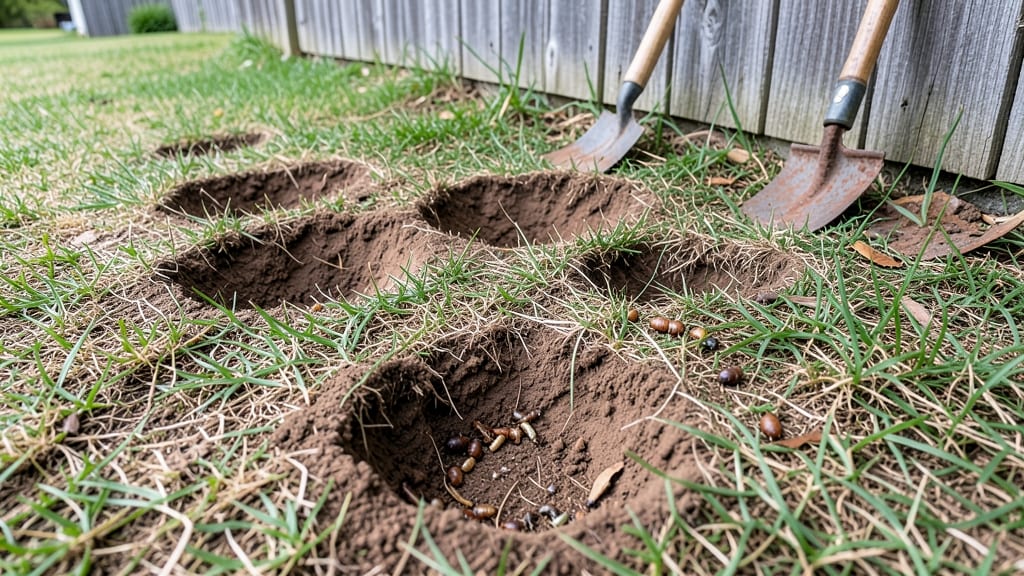
Armadillo holes in your lawn aren’t just an eyesore—they’re a sign these armored critters are digging up your yard. 🌱 I’ve battled them for years, and I’ll show you how to patch those craters fast while keeping armadillos from turning your lawn into a Swiss cheese buffet.
First, fill the holes with a mix of topsoil and sand (or just topsoil if you’re in a hurry), then tamp it down. For deeper holes, add a layer of gravel first to prevent future collapse.
The key is acting fast—armadillos love to reuse their tunnels, so cover the patched area with fresh grass seed or mulch to discourage them. Long-term, fencing is your best bet: bury a wire mesh at least 12 inches deep around your yard to block their digging.
For smaller areas, try repellents like castor oil-based sprays or even coffee grounds—they hate the smell. Just don’t expect miracles; armadillos are stubborn diggers. If you’re dealing with a colony, humane removal might be needed. Call a local wildlife expert—they’ll relocate them without harm.
Your lawn will thank you, and so will your neighbors. Let’s get those holes fixed for good!
The Hidden Triggers Behind Lawn Holes
If you’ve ever stumbled upon mysterious craters in your lawn—only to find them mysteriously filled in by dawn—you’re likely dealing with armadillos. These armored diggers don’t just wander in for fun; they’re driven by a mix of survival instincts, dietary needs, and environmental cues.
Understanding why they create these holes is the first step to stopping them. Let’s dig into the science (and the sneaky habits) behind their tunneling.
Armadillos are obligate diggers, meaning their bodies are physically adapted for excavating. Their powerful front claws—each with a sharp, curved edge—can slice through soil like a shovel. But why the sudden urge to dig?
- Natural Instinct: In the wild, armadillos dig to escape predators, find shelter, or create nesting sites. Even in suburban lawns, they revert to these instincts, especially during mating season (spring) or when raising young.
- Soil Texture Matters: Armadillos prefer loose, sandy, or clay-heavy soil—common in many lawns. Compacted or rocky soil is harder to dig, but they’ll still try if food (like grubs or insects) is nearby.
- Nocturnal Activity: Since armadillos are mostly active at dusk and dawn, you’ll rarely catch them in the act. Their holes appear overnight, often near sidewalks, driveways, or garden edges where soil is disturbed.
💡 Pro Tip: If your lawn has recently been aerated or tilled, armadillos will see it as an all-you-can-dig buffet. They’re drawn to freshly turned soil because it’s easier to excavate—and full of hidden insects.
Armadillos aren’t just digging for fun—they’re hunting for food. Their diet is 80% insects, particularly grubs, ants, and beetle larvae, which they sniff out using their keen sense of smell. A single armadillo can eat 40,000 insects per night!
| Lawn Pest | Why Armadillos Love It | Signs It’s Attracting Them |
|---|---|---|
| Japanese Beetle Grubs | Soft, easy-to-dig-up larvae in turfgrass roots. | Patchy, brown grass; holes in lawn (often in summer). |
| Ant Mounds | Protein-rich ants are a high-calorie treat. | Small, cone-shaped mounds with tiny entrance holes. |
| Cutworms | Moist, burrowing larvae near plant bases. | Wilting plants; armadillo holes near garden beds. |
🔥 Key Insight: If your lawn has recently had a pest infestation (or you’ve seen birds pecking at the ground), armadillos will follow. They’re not picky—they’ll dig up healthy grass just to reach the grubs underneath.
Armadillos don’t dig year-round—they follow a seasonal schedule tied to food availability, temperature, and breeding cycles.
- Spring (March–May):
- Mating Season: Males dig aggressively to attract females, creating deeper, wider holes (sometimes 1–2 feet across).
- Grub Hatch: Cool, moist soil triggers Japanese beetle grubs to emerge—armadillo digging peaks.
- Summer (June–August):
- Heat Escape: They dig shallow cooling burrows during heatwaves (holes may fill with dirt quickly).
- Drought Stress: Dry soil forces them to dig deeper for moisture and grubs near roots.
- Fall (September–November):
- Food Stockpiling: They dig to cache insects for winter, creating multiple shallow holes.
- Young Armadillos: Juveniles (born in summer) practice digging, leading to clustered holes.
- Winter (December–February):
- Minimal Activity: Cold snaps reduce digging, but thawing soil can lure them out for a quick grub feast.
⏰ Actionable Tip: If you notice a sudden spike in holes, check the weather. After heavy rain, grubs move closer to the surface—making your lawn a buffet. Drought? Armadillos dig deeper to find moisture.
Not all lawns are equally tempting to armadillos. Certain landscaping choices accelerate their digging behavior:
- Poor Drainage: Waterlogged areas create soft, easy-to-dig soil. Armadillos avoid compacted soil but love mushy, saturated spots.
- Thin or Dead Grass: Bare patches expose grubs and roots, making it easier for them to find food without much effort.
- Mulch or Leaf Litter: Organic debris traps moisture and insects, signaling to armadillos that food is nearby.
- Pet Waste or Compost Piles: The scent of decomposing matter attracts grubs, which in turn attract armadillos.
- Landscaping Edges: Areas where grass meets dirt, rocks, or sidewalks are prime digging spots because the soil is looser.
🎯 Prevention Hack: If your lawn has recently been renovated (new sod, fresh topsoil, or aeration), armadillos will target it first. Consider temporary chicken wire barriers (buried 6 inches deep) around high-risk areas until the soil settles.
Now that you know why armadillos are turning your lawn into a Swiss cheese board, the next step is repairing the damage—and keeping them from returning. Stay tuned!
Fixing Lawn Damage from Armadillos
Armadillos are fascinating creatures, but their digging habits can leave your lawn looking like a moon landscape. 🌕 The good news? With the right approach, you can repair the damage and prevent future armadillo holes.
Below are targeted solutions based on the most common causes—plus proactive tips to keep your yard armadillo-free.
---
Problem: Fresh holes disrupt drainage, invite weeds, and create tripping hazards.
Solution: 1. Remove Debris 🧹 Clear out rocks, roots, and loose soil from the hole. Use a small shovel or rake for precision.
2. Fill with Quality Soil 🏗️ Mix topsoil with compost (for nutrients) or sand (for drainage). For deeper holes, layer the fill in 2-inch increments, tamping down firmly with a tamper or board to avoid settling.
3. Patch with Sod or Seed 🌱 - For small holes: Lay down a patch of sod, securing edges with landscape staples. - For larger areas: Sprinkle grass seed, cover with straw, and water lightly. Keep moist for 2–3 weeks.
4. Compact and Water 💦 Lightly roll the patched area with a lawn roller (or a heavy board) to settle the soil. Water thoroughly to encourage root growth.
--- Problem: Armadillos return if food, water, or shelter is accessible.
Solution: 1. Eliminate Attractants 🍖→🚫 - Secure trash cans with bungee cords or locking lids. - Store pet food indoors or in metal containers. - Remove standing water (bowls, clogged gutters) that might draw insects armadillos eat.
2. Block Entry Points 🚧 - Install chicken wire (1-inch mesh) around garden beds or lawn edges, buried 6 inches deep to deter digging. - Use hardware cloth (not plastic mesh) for permanent barriers.
3. Disrupt Digging Habits 🎯 - Sprinkle gravel or coarse sand in problem areas—armadillos dislike the texture. - Place motion-activated sprinklers (like ScareCrow) to startle them away.
--- Problem: Repeated holes weaken grass roots and soil structure.
Solution: 1. Aerate Compacted Soil 🌱🔥 Rent a core aerator to pull plugs of soil, improving airflow and root growth. Follow up with overseeding.
2. Improve Drainage 💧 If water pools in holes, consider French drains or swales to redirect runoff. For clay-heavy soil, amend with gypsum or organic matter.
3. Choose Armadillo-Resistant Plants 🌿 Plant thick ground covers (like clover or creeping thyme) or dense shrubs (e.g., boxwood) near high-traffic areas to discourage digging.
--- - 🔥 Use Citrus Peels: Scatter dried orange or lemon peels around the yard—armadillos dislike the scent. - ⏰ Time Your Efforts: Patch holes early in the day when armadillos are less active (they’re nocturnal). - 🎯 Call a Pro: If holes persist, contact a wildlife removal service—they can humanely relocate armadillos if needed.
--- Key Takeaway: Act fast to patch holes, remove temptations, and reinforce barriers. With consistency, your lawn will bounce back—and armadillos will find greener (or less inviting) pastures. 🌿
Frequently asked questions
Why do armadillo holes appear overnight?
Armadillos are nocturnal creatures, so they dig primarily at dusk and dawn when they're most active. Their powerful claws can excavate 1-2 feet of soil per hour, creating holes that look freshly dug by morning. These holes often appear near sidewalks or garden edges where soil is loose and food sources (like grubs) are abundant.
Can I fill armadillo holes with just dirt?
While you can use topsoil, mixing it with sand or compost creates a more stable patch that won't settle as quickly. For deeper holes, layer the fill in 2-inch increments and tamp it down firmly. After filling, cover with grass seed or sod to prevent erosion and discourage armadillos from returning.
What's the best way to keep armadillos from digging in my lawn?
The most effective long-term solution is installing a 1-inch hardware cloth barrier buried 12 inches deep around your yard's perimeter. Armadillos can't dig through this, and it's more durable than chicken wire. For immediate relief, try motion-activated sprinklers or scattering gravel or citrus peels—they dislike both textures and scents.
Are armadillo holes dangerous for my lawn or pets?
Yes, they pose several risks. Holes can create tripping hazards for pets and people, while repeated digging weakens grass roots. Deeper holes may also damage underground utilities or irrigation systems. If you have small pets, check for holes daily—armadillos can dig up to 3 feet deep in search of grubs, creating unstable cavities.
When is the worst time of year for armadillo digging?
Spring (March-May) is peak digging season due to mating behavior and grub emergence, while fall (September-November) sees increased activity as armadillos prepare for winter. After heavy rain, grubs move closer to the surface, making your lawn especially appealing. Monitor your yard closely during these periods for new holes.