
Lawn
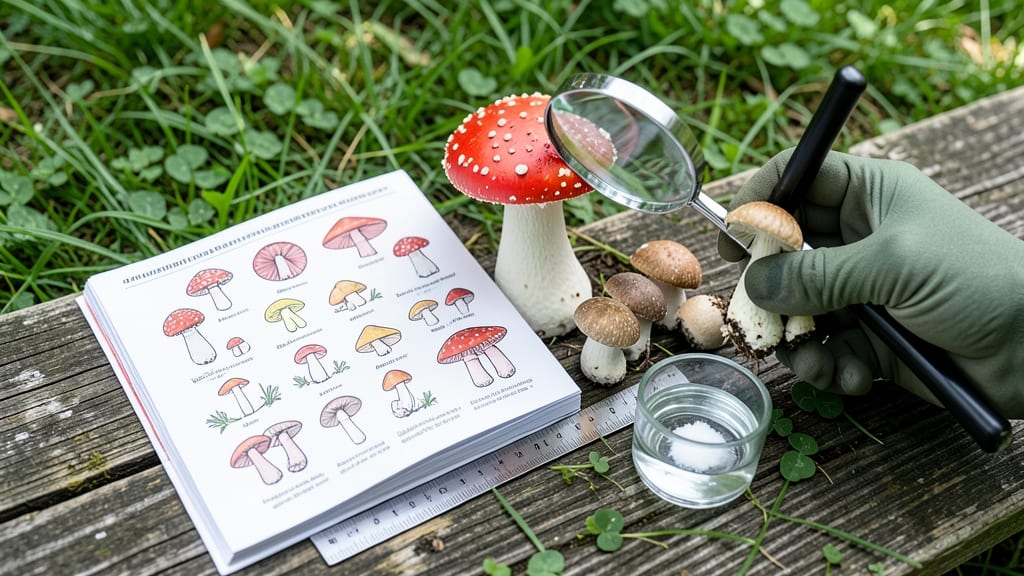
Identifying toadstools in your lawn can feel like a mystery—some are harmless, others deadly. 🌱 I’ve learned the key differences between safe varieties and dangerous lookalikes that could poison pets or kids, and how to tell them apart without a mycology degree.
The first step is checking the cap shape, stem texture, and gill color—red flags like white gills or a ringed stem signal danger.
Common edible mushrooms (like the field mushroom) have smooth caps and no toxic relatives growing nearby, while deadly Amanita mushrooms often have white spots or a bulbous base. A quick photo search can help narrow it down.
If you’re unsure, never touch it—especially with kids or pets around. Some mushrooms cause liver failure within hours, and even "safe" ones can upset stomachs.
For lawn health, most fungi don’t harm grass, but if they spread, raking them out or improving drainage (they love wet spots) usually does the trick.
When in doubt, snap a clear photo and consult a local mycologist or extension office. They’ll confirm whether it’s a harmless fairy ring or something requiring immediate removal—because when it comes to mushrooms, ignorance isn’t just bliss, it’s risky.
Root Causes of Lawn Toadstools
Those mysterious mushrooms popping up in your lawn aren’t just random—each type emerges due to specific environmental triggers. Understanding why they appear helps you address the problem at its source. Below, we break down the key reasons behind toadstool growth, from hidden fungal networks to seasonal shifts.
Most toadstools are the fruiting bodies of decomposer fungi lurking in your soil. These spores—often spread by wind, water, or even wildlife—land in your lawn and germinate when conditions are perfect. Here’s how it happens:
- Dormant spores activate: Fungal spores can lie dormant for years until moisture, warmth, or organic matter (like fallen leaves or grass clippings) triggers their growth.
- Decaying organic matter fuels growth: Dead roots, buried wood, or compost piles provide the nutrients fungi need to thrive. Even a single buried acorn or twig can spawn a cluster of mushrooms.
- Compacted or poorly drained soil: Waterlogged or dense soil traps moisture, creating ideal conditions for fungal reproduction. Pro tip: Aerating your lawn can disrupt these microhabitats and reduce spore activity.
Toadstools love moisture—but too much of it turns your lawn into a fungal breeding ground. Here’s why excess water encourages their growth:
- Consistent dampness: Fungi need humidity to spread their mycelium (thread-like roots). Overwatering or frequent rain keeps the soil saturated, signaling spores to germinate.
- Poor drainage traps spores: Low-lying areas or clay-heavy soil prevent water from draining, creating stagnant zones where fungi flourish. Actionable fix: Test your soil’s drainage and amend it with sand or organic matter if needed.
- Morning dew and shade: Lawns with heavy shade stay damp longer, mimicking the humid forest floors where many toadstools originate.
Toadstools don’t grow year-round—they peak when temperature and moisture sync up. Here’s the seasonal breakdown:
| Season | Why It Happens | Common Culprits |
|---|---|---|
| Spring (April–June) | Warm soil + frequent rain after winter dormancy wakes up fungal spores. | Fairy ring mushrooms, field mushrooms |
| Fall (September–November) | Cool nights + warm days create ideal humidity; decomposing leaves feed fungi. | Poisonous death cap, puffballs |
| Summer (July–August) | Heavy irrigation or monsoon rains trigger sudden outbreaks. | Oyster mushrooms, stinkhorns |
💡 Pro tip: If mushrooms appear after a specific season, adjust your watering schedule or mulch habits to disrupt their cycle.
Physical disturbances—like digging, aerating, or even animal activity—can expose buried fungal mycelium, prompting toadstools to surface. Here’s how:
- Lawn aeration or tilling: Breaking up compacted soil can release trapped spores, leading to sudden mushroom growth.
- Animal activity: Burrowing creatures (like moles or gophers) or even pets digging can disrupt soil and trigger fungal responses.
- Construction or landscaping: Moving soil or planting new trees/beds can introduce fungal spores from elsewhere into your lawn.
✨ Prevention tip: If you’re renovating your lawn, consider a fungicide treatment beforehand to suppress dormant spores.
Quick Fixes for Lawn Toadstools
If you’ve spotted mysterious mushrooms popping up in your lawn, don’t panic—most aren’t harmful, but some can be. The key is acting fast to remove them safely and prevent future growth.
Below, we’ll break down solutions based on the cause of your fungal visitors, from accidental sprouts to invasive species. Plus, we’ll share proactive tips to keep your lawn toadstool-free for good.
For accidental sprouts (like fairy rings or decomposing wood): Fairy rings and mushrooms growing from buried wood or organic matter are usually harmless but unsightly. Here’s how to tackle them:
- 🔥 Pull or Dig Them Out
- Use a trowel or fork to lift the mushroom and its root system (the mycelium network underground).
- For fairy rings, dig a 1-inch-deep trench around the ring to disrupt the fungal network.
- Pro Tip: 💡 If the mushrooms keep returning, the mycelium may be deep—consider solarizing the soil (covering the area with clear plastic for 4–6 weeks in hot weather) to weaken it.
- 🍳 Rake and Aerate the Soil
- After removal, rake the area to break up compacted soil and improve airflow.
- Aerate the lawn (rent a core aerator or use a manual tool) to prevent future fungal growth by reducing moisture buildup.
- 👨🍳 Apply Fungicide (If Needed)
- For persistent fairy rings, use a non-selective fungicide (like propiconazole or trifloxystrobin) labeled for lawn fungi.
- Follow label instructions carefully—overuse can harm grass or beneficial microbes.
- Warning: ⚠️ Never use fungicides on edible mushrooms (like morels or chanterelles) if you suspect they’re growing nearby.
For poisonous mushrooms (like death cap or destroying angel): If you’ve identified a dangerous species (see our identification guide), act immediately to protect pets, kids, and wildlife.
- 🔪 Cut and Burn (or Bag)
- Never compost toxic mushrooms—they can release spores.
- Cut at the base with shears or a knife, then double-bag the mushrooms and dispose in outdoor trash.
- For large clusters, cover with mulch or cardboard to smother them (they’ll decompose over time).
- 🌡️ Adjust Lawn Conditions - Toxic mushrooms thrive in shady, damp, or nutrient-rich soil.
Improve your lawn’s health to discourage them: - Mow higher (3–4 inches) to reduce shade and improve airflow. - Reduce nitrogen fertilizers (they feed fungi). - Water deeply but less often to avoid soggy soil.
- 🎯 Introduce Beneficial Competitors
- Plant clover or moss in shady areas—these outcompete fungal growth.
- Spread compost tea (homemade or store-bought) to boost beneficial bacteria that suppress harmful fungi.
Once you’ve cleared the mushrooms, stop them from coming back with these long-term strategies:
| Cause | Prevention Tip | How to Do It |
|---|---|---|
| Buried Wood/Organic Debris | Remove all wood chips, leaves, or roots before planting. | Rake thoroughly and check for hidden logs or stumps. |
| Compacted Soil | Improve drainage and aeration. | Aerate annually and top-dress with compost. |
| Excess Moisture | Reduce watering in shady spots. | Water early in the day and use a rain gauge to monitor soil moisture. |
| Over-Fertilization | Use slow-release, low-nitrogen fertilizers. | Switch to organic options like fish emulsion or bone meal. |
| Shady, Dense Areas | Plant sun-loving grasses or add light. | Thin out trees or install solar-powered lawn lights to deter fungal growth. |
- 🍄 Coffee Grounds: Sprinkle used grounds around the lawn—they slightly acidify soil, which some fungi dislike.
- 🌿 Garlic Spray: Mix 1 chopped garlic clove + 1 quart water + 1 tsp dish soap, spray on affected areas (test a small patch first).
- 🐛 Encourage Nematodes: Beneficial nematodes (like Steinernema feltiae) prey on fungal mycelium—apply them in early spring.
Final Reminder: If mushrooms keep reappearing after treatment, it’s time to test your soil pH (ideal for lawns: 6.0–7.0). A soil test kit (available at garden centers) can help you adjust nutrients and avoid fungal-friendly conditions. 🌱
Frequently asked questions
What's the quickest way to tell if a lawn mushroom is poisonous?
Look for these red flags: white gills, a bulbous base with a skirt-like ring, or red or yellow caps. The deadly death cap and destroying angel often have white gills and a sac at the base. If you see any of these, assume it's toxic and avoid touching it.
Can lawn mushrooms harm my grass?
Most mushrooms are harmless to grass—they're decomposers feeding on buried organic matter. However, large clusters (like fairy rings) can indicate compacted soil or poor drainage, which may weaken your lawn over time. Focus on improving soil health rather than removing the mushrooms themselves.
Are the mushrooms in my yard safe for my dog?
Never assume! Some common lawn mushrooms (like Amanita species) are deadly to dogs—even a small bite can cause liver failure. If your dog ingests any mushroom, contact your vet or the ASPCA Poison Control immediately. When in doubt, remove all mushrooms and keep pets away from the area until you're certain they're safe.
Why do I keep getting mushrooms after removing them?
You're likely dealing with mycelium—the hidden fungal network underground. Simply pulling mushrooms won't stop them. Try digging a 1-inch trench around the area to disrupt the network, or improve drainage by aerating your lawn. For stubborn cases, a non-toxic fungicide can help break the cycle.
Can I eat mushrooms growing in my lawn?
Only if you're 100% certain of the species—and even then, it's risky. Many edible mushrooms have toxic lookalikes. If you're foraging, only collect from wild, undisturbed areas (not lawns) and consult an expert. When in doubt, leave them be—there are plenty of safe, store-bought alternatives!