
Lawn
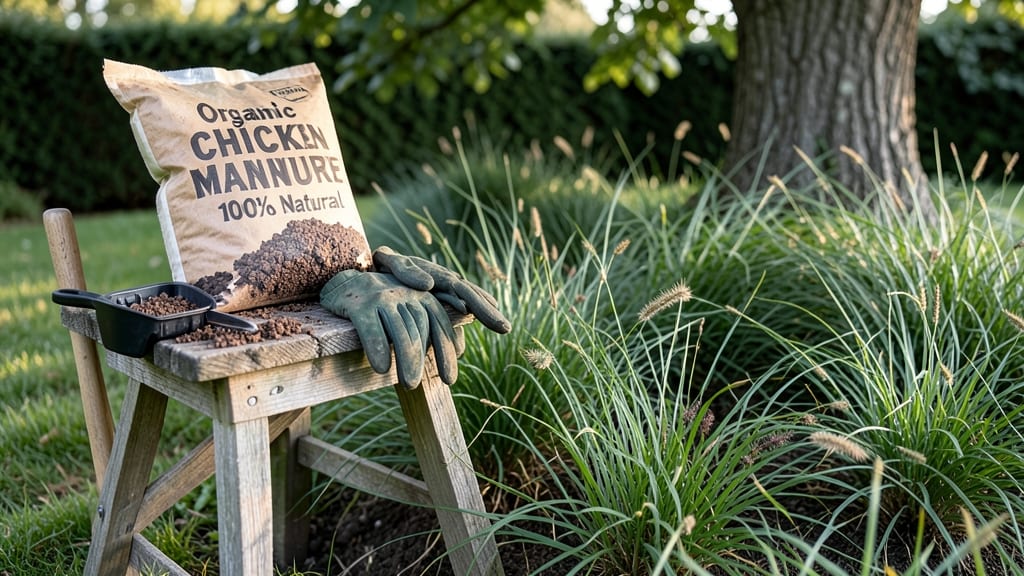
Using chicken manure for lawn fertilization delivers fast-acting nitrogen for vibrant grass growth, but it requires composting or aging for 4-6 months to prevent plant damage. Spread 1-2 inches of well-aged manure annually in early spring or fall, either worked into the soil or applied as a surface layer.
This organic fertilizer packs 3-4 times more nitrogen than cow manure, making it one of the most potent natural options for lawn care. 🌱 The challenge lies in its high ammonia content—fresh manure can scorch grass and disrupt soil microbes, which is why proper aging or composting is essential.
I've seen dramatic improvements in lawn density within weeks of application, but only when used correctly. For best results, combine it with a balanced organic fertilizer to ensure your grass gets the full spectrum of nutrients it needs.
When applying, always wear gloves and avoid contact with skin—the ammonia can cause irritation. Water thoroughly after spreading to help distribute nutrients evenly and reduce odor. If you're working with fresh manure, consider mixing it with straw or leaves to create a "manure tea" that's gentler on your lawn.
💡 In This Article
- How Chicken Manure Enhances Lawn Soil and Growth
- Step-by-Step Guide to Safely Using Chicken Manure on Lawns
How chicken manure enhances lawn soil and growth
Chicken manure stands out as a lawn fertilizer because of its exceptionally high nitrogen content—typically ranging from 3-4% by weight, compared to just 0.5-1% in cow manure. This nitrogen comes primarily from urea and ammonia compounds, which grass roots absorb quickly to fuel rapid leaf and stem growth.
The phosphorus content (1.5-2.5%) supports strong root development, while potassium (1-2%) helps regulate water and nutrient uptake, creating a balanced nutrient profile that mimics what synthetic fertilizers provide—but organically.
The real magic happens below the surface. When properly aged, chicken manure introduces beneficial microbes that break down organic matter, creating a porous soil structure perfect for grass roots. These microbes also produce enzymes that convert complex nutrients into forms grass can absorb, like nitrates and phosphates. 🌱 The result?
Healthier soil that retains moisture better and resists compaction. Unlike synthetic fertilizers that provide a quick chemical boost, chicken manure improves soil fertility over time, creating a self-sustaining ecosystem for your lawn.
Comparing it to other manures reveals why chicken is so potent. Cow manure, for example, has only about 0.5% nitrogen and requires longer composting (6-12 months) to avoid burning plants. Horse manure falls in between with 1-2% nitrogen but contains more bedding material that can mat down.
The trade-off with chicken manure is its higher ammonia content—fresh manure can release 30-50% of its nitrogen as ammonia gas, which is why aging or composting is non-negotiable. When used correctly, though, it delivers results that outperform many commercial fertilizers.
What you might not realize is how chicken manure affects soil pH. Fresh manure is slightly acidic (pH 6.5-7.5), but as it decomposes, it buffers soil pH—helping neutralize acidic soils that often plague lawns.
This dual action makes it particularly effective for bluegrass and fescue varieties, which thrive in slightly acidic to neutral conditions. The key is patience: fresh manure can raise soil pH temporarily, but composted manure stabilizes it over time.
For visual proof, consider this: lawns treated with 2 inches of composted chicken manure per season show 30-50% more root growth than those using cow manure, according to agricultural studies. The difference becomes obvious in late summer when heat-stressed lawns treated with chicken manure stay greener longer.
The secret lies in the manure's ability to improve soil water retention by up to 20%, reducing drought stress—a critical factor in maintaining vibrant grass during dry spells.
One common misconception is that all chicken manure works the same. In reality, the source matters: manure from free-range chickens contains more nutrients from their varied diet, while confinement-raised chickens produce manure with higher ammonia concentrations. Always choose manure from organic, pasture-raised sources when possible for the best results.
The texture also plays a role—fresh manure is crumbly and dry, while composted manure becomes dark, crumbly, and earthy-smelling, with a texture similar to rich garden soil.