
Lawn
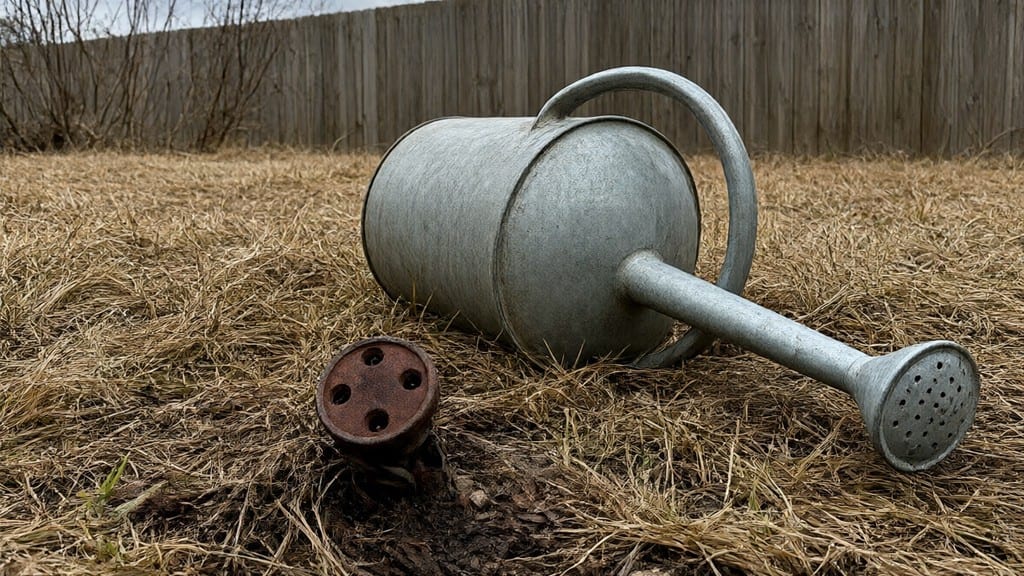
Waking up dormant grass doesn’t require a miracle—just the right timing and a few simple steps. I’ve revived more lawns than I can count after drought or winter, and the key is always the same: moisture, patience, and a little TLC.
The first time we saw seedlings push through soil, we knew how powerful this process could be—your lawn can come back too, even if it looks brown and brittle now.
You’ll need three things: a hose with a gentle spray nozzle, a lawn rake for clearing debris, and a soil test kit (or at least a finger to check moisture). Start with watering deeply—about 1 inch per week—until the soil feels damp 2-3 inches down.
Overwatering is the real enemy, so let the grass dry slightly between sessions. This isn’t a quick fix, but in 2-4 weeks, you’ll see blades turn green again.
The payoff is a lawn that looks shockingly lush again, with no bare patches or yellowing. You’ll know it’s working when you see tiny green shoots pushing through the thatch, then fuller blades within a month.
The secret? Consistency—dormant grass wakes up slowly, but it will respond if you give it steady care.
Works for spring or fall revival, though fall is often easier because cooler temps mean less water loss. If your lawn stays stubborn after 6 weeks, it might need aeration or overseeding—but don’t jump ahead. Start with the basics, and you’ll save time and money in the long run.
📚 In This Guide
- What you need
- Instructions
- Tips and common mistakes
- Wrapping up and next steps
What you need
- ● Garden hose or sprinkler – For thorough watering (ensure it delivers at least 1 inch of water per week, including rainfall).
- ● Lawn mower – A sharp mower blade set to 2–3 inches (never cut more than ⅓ of the grass height at once).
- ● Broadcast or drop spreader – For even distribution of fertilizer or seed (manual or battery-powered preferred).
- ● Lawn fertilizer – Choose a balanced, slow-release formula (e.g., 16-4-8 or 20-5-10) with high nitrogen content for revival.
- ● Lawn seed – Match the type to your grass (e.g., Kentucky bluegrass, fescue, or Bermuda for warm climates).
- ● Garden rake or dethatcher – To loosen soil and remove debris (a metal-tined rake works best for thick thatch).
- ○ Soil test kit (optional but helpful) – To check pH and nutrient levels before fertilizing (pH 6.0–7.5 is ideal for most grasses).
- ● Handheld soil aerator – For small lawns or spot-treating compacted areas.
- ● Lawn roller – Lightly rolling seed into soil after planting (use a 100–150 lb roller for best results).
- ● Pre-emergent herbicide – If weeds are a problem (apply after seeding to avoid killing new grass).
- ● Compost or topsoil – For patchy areas needing extra nutrients (aim for ½-inch layer).
- ● Knee pads or gloves – Because crawling on grass (or handling sharp tools) is way more comfortable with these!
Step-by-Step instructions for reviving dormant grass
Here’s how to breathe new life into your lawn in under a week.
Inspect and Clear the Lawn
Start by identifying the dormant areas—look for patches where grass is brown, brittle, or pulled up easily. Walk across the lawn to feel for soft or spongy spots, which may indicate dead grass or thatch buildup. Use the lawn rake to gently remove any debris, dead grass, or thatch from the surface. This clears the way for water, air, and nutrients to reach the soil and roots.
Focus on areas where the grass is still alive but struggling—these patches just need a little encouragement to wake up. Avoid raking too aggressively; you’re not trying to remove the grass, just the obstacles keeping it dormant. If you see bare soil, note those spots—they’ll need extra attention later.
Water Deeply and Consistently
Dormant grass needs a good soaking to break its slumber. Water the lawn deeply—about 1 inch of water—using a hose or sprinkler. Let the water penetrate the soil until it reaches 4-6 inches deep. You’ll know it’s deep enough when the soil feels moist all the way down, not just damp at the surface.
After the first deep watering, maintain this routine every 3-4 days until you see signs of revival—grass turning green, new growth appearing, or blades feeling slightly firmer. Avoid light, frequent watering; it encourages shallow roots and can actually stress the grass further. Early morning is the best time to water, as it reduces evaporation and fungal risks.
Apply a Light Layer of Fertilizer
Once the soil is moist, spread a slow-release, high-nitrogen fertilizer evenly over the lawn. Use a broadcast spreader for even coverage, following the package instructions for application rates. Focus on the dormant patches first, then move to the rest of the lawn. A light layer is key—too much fertilizer can burn the grass or overwhelm the roots.
Water the lawn again after fertilizing to help the granules dissolve and reach the roots. You’ll see the best results with a fertilizer designed for lawn revival or early-season growth. Avoid fertilizers with high weed control—you want to wake up the grass, not suppress it. Wait 3-5 days before watering heavily again to give the fertilizer time to work.
Mow and Monitor for Growth
Once the grass shows signs of life—bright green blades, taller growth, or new shoots—mow it high. Set your mower to its highest setting, usually 3-4 inches, to encourage deeper root growth and shade out weeds. Never mow dormant or struggling grass; wait until you see at least 25% green in the patches.
Continue monitoring the lawn daily. Healthy revival means grass grows at least 1 inch per week and stays vibrant green. If some patches still look dull after 10-14 days, repeat the deep watering and light fertilizing. Avoid walking on revived grass for a few days to let the roots strengthen. With consistent care, your lawn will fill in quickly and stay lush.
Tips & tricks for perfect lawn revival
Reviving dormant grass doesn't have to be a guessing game—these practical tips will help you achieve visible results in record time without overcomplicating the process.
Timing Tip: In Step 1, when inspecting your lawn, focus on the "feel test" rather than just visual cues. Press your thumb into the soil—if it feels spongy or gives way easily, that's a clear sign of dead grass or thatch buildup that needs clearing. This tactile check often reveals problems before they're visible to the naked eye. The goal is to remove just enough to let water and nutrients penetrate without damaging the living roots.
Watering Strategy: For Step 2's deep watering, I recommend using a soil probe or long screwdriver to check moisture depth after watering. Push it into the soil until you hit resistance—this should happen around 4-6 inches deep. If it comes out dry, you'll need to water longer. Early morning watering between 4-8 AM is ideal because it allows the grass blades to dry quickly, reducing fungal risks. I've seen dramatic improvements in just 3-4 days when this schedule is followed consistently.
Fertilizer Application: When applying fertilizer in Step 3, work in small sections and overlap slightly to avoid missed spots. For particularly dormant patches, you can lightly scratch the soil surface with a rake before applying fertilizer—this helps the granules make direct contact with the roots. After fertilizing, water again immediately to activate the nutrients. I've found that using a spreader with a 10-foot setting ensures even coverage without overapplying in any one area.
Growth Monitoring: In Step 4, when monitoring growth, look for three key signs of revival: blades that feel firm when pinched, new shoots emerging from the base, and a noticeable green color returning. If you're not seeing these signs after 10-14 days, it might indicate dead grass rather than dormant grass. In that case, you'll need to reseed those areas rather than trying to revive them. The key is patience—healthy grass growth should be visible within that two-week window if the steps are followed correctly.
Pro Tips for Wake Up Dormant Grass
- Reviving dormant grass doesn't have to be a guessing game—these practical tips will help you achieve visible results in record time without overcomplicating the process.
- Timing Tip: In Step 1, when inspecting your lawn, focus on the "feel test" rather than just visual cues.
- Watering Strategy: For Step 2's deep watering, I recommend using a soil probe or long screwdriver to check moisture depth after watering.
Frequently asked questions
about reviving dormant grass can save you time and frustration. Here are answers to the most common concerns:How long does it take for dormant grass to wake up?
With the right care, you’ll often see signs of revival in 1-2 weeks, but full recovery can take 4-6 weeks. Warm-season grasses (like Bermuda or Zoysia) respond faster in spring, while cool-season grasses (like Kentucky Bluegrass) may need patience until soil warms. Consistency is key—keep watering and avoid heavy foot traffic during recovery.
Can I overseed dormant grass right away?
No, wait until your grass shows active green growth (usually 2-3 weeks after waking). Overseeding too soon can smother weak roots or compete with dormant grass. For best results, test soil moisture first—dormant grass needs hydration before new seeds take hold. Aim for late summer or early fall for cool-season grasses.
What if my grass stays brown even after watering?
Persistent browning could mean root death (common in extreme drought or heat). Try these fixes:
- Test soil moisture 2-3 inches deep—if dry, water deeply 2-3 times weekly.
- Apply a light layer of compost to improve soil health.
- Consider sod replacement for dead patches (check roots by pulling a small section).
Is it too late to revive grass in late summer?
Not necessarily! Warm-season grasses (like St. Augustine) can still revive with deep watering and mowing high (3-4 inches). Cool-season grasses may struggle in heat but can recover in early fall if soil temps drop below 80°F. Avoid fertilizing in peak summer—focus on hydration and shade solutions (like temporary row covers) for stressed areas.
What’s a quick fix for patchy dormant grass?
For small, unsightly patches:
- Spot-sow with grass seed matched to your lawn type (e.g., ryegrass for cool-season).
- Use a starter fertilizer (high in phosphorus) to boost root growth.
- Apply a thin layer of straw to retain moisture and protect seeds.
Wrapping up and next steps
Reviving dormant grass doesn’t have to be a daunting task—with the right tools, patience, and a little elbow grease, your lawn can bounce back to life! 🌱 Whether you’re tackling thin spots, brown patches, or just a tired-looking yard, consistent watering, proper aeration, and smart fertilization are your best allies.
Small, steady efforts will yield big results over time.
Now that you’re armed with the know-how, roll up your sleeves and give your grass the care it deserves. Start with one step—maybe aerating this weekend or adjusting your watering schedule—and watch your lawn transform into a lush, green masterpiece. Happy gardening! 🌿