
Lawn
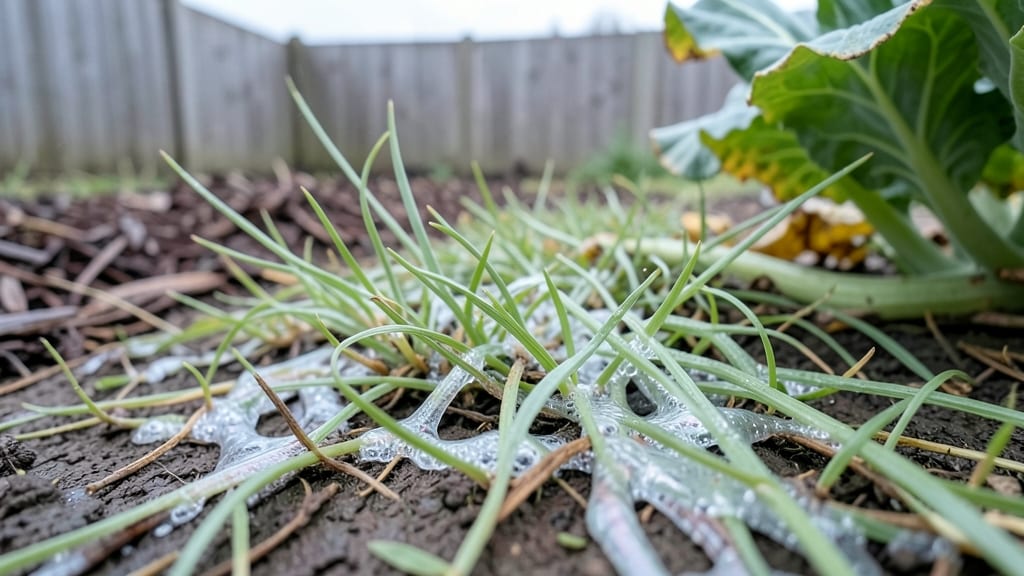
Slime on grass isn't just unsightly—it can smother your lawn in days if you don't act fast. 🌱 I've seen this slimy mess take over yards after heavy rain or shade, and the good news is most cases respond to quick action.
The key is identifying whether it's algae, fungus, or something else before treating it.
Algae thrives in shady, damp spots and spreads like a green carpet, while fungal slime often looks stringy or cottony. Both can choke grass roots if left unchecked.
My go-to solution? A mix of vinegar and water (1:1 ratio) sprayed directly on the affected areas—it works fast and won't harm healthy grass when used right.
For stubborn cases, a baking soda solution (1 cup per gallon of water) lifts the slime without harsh chemicals. Within 24-48 hours, you'll see the slimy film break down, revealing fresh green underneath. The trick is to treat it early before it spreads deeper into the lawn.
Once the slime is gone, focus on prevention: improve drainage, trim overhanging branches, and aerate compacted soil. If the problem keeps coming back, it might be time to call in a pro—especially if the grass underneath stays weak or discolored.
Hidden Causes Behind Grass Slime
That mysterious, sticky residue clinging to your lawn isn’t just a random nuisance—it’s often the result of specific biological, environmental, or even human-related factors. Understanding why slime forms on grass is the first step to preventing it and treating it effectively.
Let’s break down the most common culprits and the science behind them.
###
🌱 Fungal Growth (Most Common Culprit)
Fungi thrive in moist, shaded, or poorly drained grass, producing slimy films as a byproduct of their growth. The most notorious offenders include:
- Pythium: A water-mold fungus that creates a grayish, greasy slime in damp conditions. It spreads rapidly in lawns with excessive thatch or compacted soil, where water pools instead of draining.
- Rhizoctonia: Produces a tan or brown slimy mat, often in circular patches. It’s especially active in hot, humid weather, feeding on dead grass and organic debris.
- Slime Molds (e.g., Fuligo septica): These aren’t true fungi but create bright yellow or orange gelatinous blobs after rain. They feed on decaying plant matter and are harmless to grass but unsightly.
Why it happens: Fungi release enzymes that break down organic matter, producing a slimy residue as a metabolic byproduct. Overwatering, thick thatch layers, or heavy shade create the perfect breeding ground.
###
🐛 Insect Activity & Organic Debris
Slime isn’t always biological—sometimes, it’s a side effect of tiny lawn pests or decaying matter. Here’s how:
- Sap-Sucking Insects: Aphids, scale insects, and mealybugs excrete sticky honeydew as they feed on grass sap. This sugar-rich residue attracts sooty mold, turning the slime dark and crusty.
- Decaying Plant Matter: Leaves, clippings, or dead grass trapped in thick thatch decompose anaerobically (without oxygen), producing a black, slimy sludge with a foul odor.
- Earthworm Castings: While beneficial, earthworms sometimes leave behind glossy, mucus-like trails as they burrow, especially after heavy rain.
Why it happens: Insects secrete honeydew as waste, while decomposing organic matter ferments, releasing slimy byproducts. Poor lawn maintenance (like infrequent mowing or thatch buildup) accelerates the problem.
###
💧 Poor Drainage & Overwatering
Waterlogged grass creates the perfect environment for slime-producing organisms. Here’s the breakdown:
- Compacted Soil: Heavy foot traffic or clay soil prevents water from draining, leaving grass soggy and inviting fungal growth.
- Excessive Irrigation: Watering at night or overwatering keeps grass damp for long periods, encouraging Pythium and other slime-producing fungi.
- Poor Grading: If your yard slopes toward the house or has low spots, water pools, creating ideal conditions for slimy fungal blooms.
Why it happens: Anaerobic conditions (low oxygen) in waterlogged soil trigger fungal spores to germinate. The slime is their protective layer against drying out.
###
🧪 Chemical Reactions (Fertilizer & Herbicide Burn)
Sometimes, slime is a side effect of lawn treatments gone wrong:
- Urea Fertilizer Overuse: Urea breaks down into ammonia, which can react with soil moisture to form a white, crusty slime on grass blades.
- Herbicide Residue: Some post-emergent herbicides leave behind a sticky, oily film if not rinsed off by rain.
- Algae Blooms: Excess phosphorus from fertilizers can trigger algae growth, creating greenish, slimy patches in shaded or damp areas.
Why it happens: Chemical imbalances in soil or on grass surfaces create a film that traps moisture, promoting slime formation. Over-fertilizing disrupts natural microbial balance, leading to unwanted byproducts.
Pro Tip: 💡 If your slime appears after rain but disappears quickly, it’s likely fungal or algae-related. If it’s persistent and sticky, check for insect activity or chemical residue. Next, we’ll cover how to remove it safely.
Quick Fixes for Sticky Grass Stains
Now that you know what’s causing that slimy mess on your lawn, let’s tackle it head-on with practical, fast-acting solutions. Whether it’s from pet accidents, spilled drinks, or organic buildup, these fixes will restore your grass to its lush, clean glory—without harsh chemicals or expensive treatments.
🧹 Fixing Pet-Related Slime & Urine Stains
Pet waste is a top culprit for slimy grass patches, thanks to ammonia and uric acid breaking down organic matter. Here’s how to clean it up and prevent future damage:
🔥 Immediate Cleanup (First 24 Hours)
- Blot, Don’t Rub 🧽
- Use a paper towel or clean cloth to soak up fresh waste gently—scrubbing spreads the stain and damages grass blades.
- Vinegar Rinse 🍶
- Mix 1 part white vinegar with 3 parts water in a spray bottle.
- Lightly mist the area (avoid oversaturating) and let it sit for 5–10 minutes.
- Rinse with a garden hose.
- Baking Soda Neutralizer 🧂
- Sprinkle a thin layer of baking soda over the spot, let it sit for 10 minutes, then brush it off.
- Why? Baking soda balances pH and neutralizes odors.
🌱 Long-Term Repair
- Overseed Bare Spots 🌱
- If the grass is thinning, rake the area lightly and scatter grass seed mixed with compost.
- Keep the soil moist for 2–3 weeks until new growth appears.
- Pet-Friendly Detergent 🧴
- For stubborn stains, use a pet-safe enzymatic cleaner (like Nature’s Miracle) to break down uric acid.
💡 Pro Tip: Train pets to use a designated grass-free area (like mulch or artificial turf) to protect your lawn long-term.
🍹 Removing Sticky Residue from Spills
Soda, juice, or energy drinks leave a sugary, slimy film that attracts pests and smothers grass. Act fast to avoid permanent damage:
🍳 Step-by-Step Cleanup
- Scrape Off Debris 🗑️
- Use a plastic spoon or butter knife to lift dried residue without tearing grass.
- Cold Water Rinse ❄️
- Douse the area with cold water (hot water can set stains) and scrub with a soft brush.
- Hydrogen Peroxide Soak 🧪
- Mix 1 tbsp 3% hydrogen peroxide per cup of water.
- Dab the solution onto the stain with a sponge, then rinse thoroughly.
- Caution: Test on a small grass patch first—peroxide can bleach some varieties.
- Cornstarch Absorb 🌽
- For sticky syrup or soda rings, sprinkle cornstarch to absorb moisture, let sit for 30 minutes, then sweep away.
🌿 Preventing Future Spills
- Use a Tarp 🏕️
- Lay down a waterproof picnic mat or tarp during outdoor gatherings.
- Rinse Immediately ⏰
- Keep a hose or bucket of water nearby to flush spills within minutes.
🍄 Tackling Organic Slime (Algae, Mold, or Fungus)
If your grass looks slimy but there’s no obvious spill or pet waste, you might be dealing with organic buildup—like algae, moss, or fungal growth. These thrive in damp, shaded areas and can turn your lawn into a slippery hazard.
🔪 Deep Cleaning Methods
- Baking Soda Scrub 🧼
- Mix 1 cup baking soda with 1 gallon of water and spray the affected area.
- Scrub with a stiff brush, then rinse.
- Vinegar & Dish Soap Blend 🍶🧴
- Combine 1 gallon white vinegar + 1 tbsp dish soap in a sprayer.
- Apply to the slime, let sit for 15 minutes, then hose down.
- Bonus: This kills fungi and prevents regrowth.
- Sand or Cornmeal Treatment 🏖️
- For moss, sprinkle dry sand or cornmeal over the area to smother it.
- Mow over the spot to distribute evenly, then water lightly.
🌡️ Environmental Fixes
- Improve Drainage 💧
- If your lawn stays soggy, aerate compacted soil and top-dress with sand or compost.
- Increase Sunlight ☀️
- Trim overhanging tree branches to let more light reach the grass.
- Regular Mowing ✂️
- Keep grass at 2.5–3.5 inches tall to discourage algae and fungus.
✨ Pro Tip: A lawn rake (not a mower) can physically remove thin layers of organic slime without harming grass roots.
🛡️ Universal Prevention Tips
No matter the cause, these habits keep your grass slimy-free:
- Water Early ⏰ – Morning watering reduces evening dampness that fuels slime growth.
- Leave Grass Clippings 🌿 – They act as a natural fertilizer and protect soil moisture.
- Test Soil pH 📊 – Aim for 6.0–7.0; adjust with lime (to raise pH) or sulfur (to lower it) if needed.
- Avoid Over-Fertilizing 🚫💥 – Too many nutrients create slimy, sticky thatch layers.
Final Note: For persistent or large-scale slime issues, consider a lawn fungus control product (like Scotts DiseaseEx) or consult a local nursery for soil tests. Most cases, though, respond to these DIY fixes within 24–48 hours!
Frequently asked questions
Is slimy grass always a sign of fungus or algae?
Not necessarily! While fungal growth and algae are common causes, slimy grass can also result from pet waste (ammonia breakdown), spilled drinks (sugary residue), or even earthworm activity. Always check for recent spills or pet accidents before assuming it's biological growth.
Will vinegar harm my grass if I use it to remove slime?
When used correctly, a 1:1 vinegar-water mix is safe for most grass types. However, avoid using full-strength vinegar or applying it too frequently—it can lower soil pH over time. Always test a small area first, especially on delicate grass varieties like fescue.
How often should I check my lawn for early signs of slime buildup?
After heavy rain or shade exposure, inspect your lawn every 2-3 days during warm, humid seasons. Early intervention prevents slimy patches from spreading. Focus on damp, shaded areas where moisture lingers longest.
Can I mow over slimy grass to remove it?
Only if the slime is very thin! Mowing thick fungal mats or algae can spread spores and make the problem worse. Instead, use a stiff brush or lawn rake to physically remove the slime first, then mow when the area is dry.
When should I call a professional for slimy grass?
If the slime covers more than 10% of your lawn, appears after chemical treatments, or the grass underneath stays discolored even after removal, consult a lawn care expert. Persistent cases may require soil testing or specialized fungicides.