
Pruning
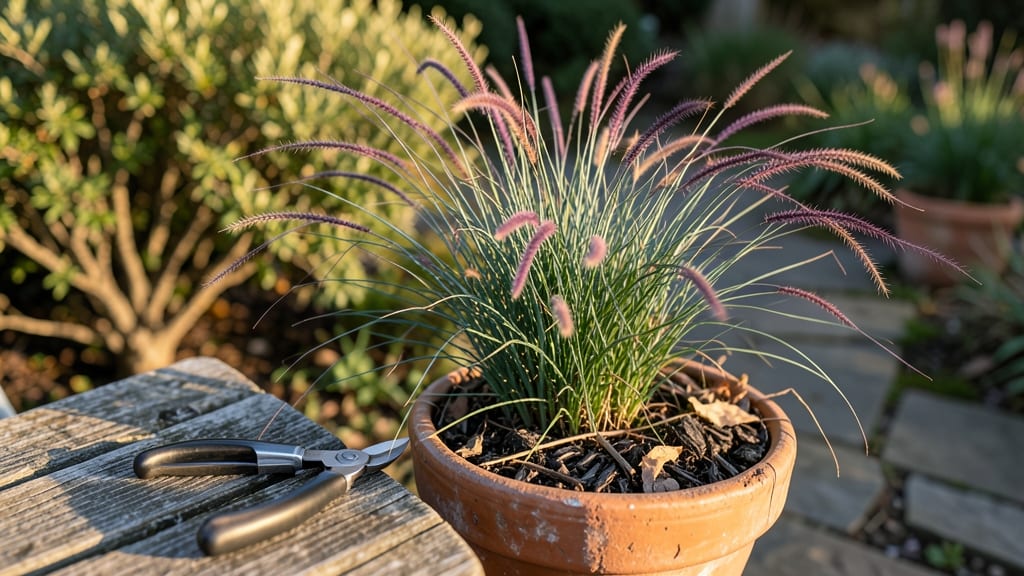
Trimming purple fountain grass isn't just about cutting back—it's about unlocking that neat, bushy growth that makes this grass stand out in any landscape. ✨ I learned the hard way that chopping it back randomly leaves it looking ragged, but the right technique turns it into a tidy, vibrant centerpiece that thrives all season.
The best time to trim is late winter or early spring before new growth starts, or again in fall after it dies back. You’ll need sharp pruners or a hedge trimmer—dull tools tear the blades and leave messy cuts.
Aim to reduce the height by one-third, cutting back to about 6 inches from the base to encourage fresh, full regrowth.
After trimming, you’ll notice new shoots emerging within 2-3 weeks, with the grass filling out denser and more compact. The key is to avoid cutting into old, woody stems—this prevents dieback.
A quick cleanup of any remaining debris keeps pests and disease at bay, so your grass stays healthy and ready for the next season.
This method works for all Pennisetum varieties, whether you’re dealing with a 3-foot or 5-foot specimen. The secret is consistency—trim once a year for a clean look, or twice if you prefer a more manicured appearance. Your grass will thank you with lush, vibrant growth all year.
📚 In This Guide
- What you need
- Instructions
- Tips and common mistakes
- Wrapping up and next steps
What you need
- ● Hand pruners or sharp bypass pruners – Choose clean, sharp blades (4-6" length) to avoid tearing the grass. Disinfect with rubbing alcohol before use.
- ● Heavy-duty gardening shears or hedge trimmers – Opt for long-handled (30-36") if your grass is tall (3-4 ft). Battery-powered or manual options work.
- ● Gloves (gardening or work gloves) – Nitrile-coated gloves protect against sharp blades and thorns.
- ○ Pruning saw (optional but helpful) – For thick, woody stems (rare in young plants but useful for mature clumps).
- ● Rake or leaf blower – To clear debris after trimming.
- ● Trash bag or compost bin – For clippings (compost if disease-free!).
- ● Choose the right time – Trim in early spring (March-April) or after flowering (late summer) to encourage new growth. Avoid trimming in fall or winter.
- ● Check weather – Do it on a dry, calm day (no rain for 24 hours). Wet grass is slippery and harder to cut cleanly.
- ● Assess the plant – Look for dead, brown centers (remove these first) or overgrown stems (trim selectively).
- ○ Safety first – Wear eye protection (optional but recommended) if trimming near your face.
- ● Knee pads – If your grass is ground-level or you’ll be kneeling.
- ● Plant food or fertilizer – Apply after trimming to boost recovery (use a balanced 10-10-10 or low-nitrogen option).
- ● Mulch or landscape fabric – To protect the base from future weeds or erosion.
- ● Spray bottle with water – Lightly mist blades to reduce dust when trimming.
Step-by-Step guide to trimming purple fountain grass
Here’s the method I’ve used for years to keep this ornamental grass looking lush and full—without sacrificing its natural shape.
🌿 Step 1: Choose the Right Time and Tools
Trim purple fountain grass in late winter or early spring before new growth begins. This ensures you’re cutting back old foliage while leaving room for fresh shoots. Avoid trimming in fall, as the plant needs its dead fronds to protect the crown through winter.
Use sharp, clean pruning shears—dull blades tear the leaves, leaving ragged edges that look unkempt. I always disinfect my tools with rubbing alcohol first to prevent disease transfer between cuts. For larger clumps, a hedge trimmer works faster, but take care not to overpower the plant’s natural form.
✂️ Step 2: Cut Back Dead and Brown Fronds
Start by removing all dead or brown fronds at the base. These are easy to spot—they’re crispy, dry, and often curl at the tips. Snip them off cleanly, leaving no stubs. This step improves airflow and reduces pests hiding in dead growth.
Next, trim back any overly leggy or straggly stems that have lost their vibrant purple hue. Look for stems that are thin, sparse, or leaning—these are the ones that need to go. Cut them back to 2-3 inches above the ground, but never below the crown (the thick, woody base). This ensures the plant retains its energy reserves.
🌱 Step 3: Shape the Clump for Fullness
Now, focus on the living growth. Purple fountain grass thrives when its outer fronds are slightly longer than the center, creating that signature "fountain" effect. Use your shears to trim the outer edges evenly, cutting at a 45-degree angle for a natural look.
Step back frequently to check your progress—you want the plant to look full and rounded, not flat or boxy. Avoid cutting into the center too aggressively; this is where new growth emerges. If you accidentally trim too much, the plant will recover, but it may take a season to bounce back.
☀️ Step 4: Maintain Through the Growing Season
After your initial trim, monitor the grass throughout the year. In mid-summer, if the plant looks unruly, do a light touch-up by trimming just the tips of the longest fronds. This encourages bushier growth without shocking the plant.
Water deeply after trimming to help the grass recover. Purple fountain grass is drought-tolerant once established, but fresh cuts benefit from 1 inch of water per week during dry spells. Avoid fertilizing immediately after trimming—wait until new growth appears before feeding.
⏰ Step 5: Prepare for Winter Dormancy
In late fall, resist the urge to trim. Leave the dead fronds in place—they insulate the crown and protect it from freezing temperatures. If your grass looks particularly messy, you can lightly rake away debris but avoid cutting back entirely.
Come early spring, repeat Step 1 to refresh the plant before the growing season kicks in. Over time, you’ll notice your purple fountain grass develops a denser, more vibrant center and a neater, fuller silhouette—exactly the look you’re after.
Tips & tricks for perfect purple fountain grass trimming
Here's what I've learned after years of perfecting this technique—small details that make all the difference between a messy clump and a showstopping garden feature.
The Timing Secret: Late winter or early spring is non-negotiable for that first trim. This is when the plant's energy is about to shift from dormancy to growth—cutting now removes last year's dead growth while leaving room for fresh shoots. I've seen too many gardeners trim in fall and end up with frost-damaged crowns the next winter. The plant needs those dead fronds as insulation!
Tool Preparation Matters: Your pruning shears or hedge trimmer should be sharper than you think possible. Dull blades don't cut—they tear, creating jagged edges that look unprofessional and invite disease. I always run my shears through a sharpening stone before starting, and I disinfect them with rubbing alcohol between cuts. For larger clumps, a hedge trimmer can be faster, but I recommend taking your time with the outer edges where precision counts.
Visual Cues for Perfect Cuts: When shaping the outer edges in Step 3, imagine you're creating a natural cone shape. The outer fronds should be slightly longer than the center to maintain that signature fountain effect. Cut at a 45-degree angle—this creates a more natural look than straight cuts. Step back frequently to check your progress; you want to see a full, rounded silhouette that looks intentionally wild, not like you've hacked it with hedge clippers.
Recovery Strategy: After your initial trim, resist the urge to fertilize immediately. The plant needs time to recover and establish new growth before you add nutrients. Water deeply after trimming to help the grass recover, but avoid overwatering—purple fountain grass is drought-tolerant once established. I've found that waiting until new growth appears before feeding gives the plant the best chance to bounce back beautifully, especially if I accidentally trimmed too aggressively.
Pro Tips for Trim Purple Fountain Grass
- Here's what I've learned after years of perfecting this technique—small details that make all the difference between a messy clump and a showstopping garden feature.
- The Timing Secret: Late winter or early spring is non-negotiable for that first trim.
- Tool Preparation Matters: Your pruning shears or hedge trimmer should be sharper than you think possible.
Frequently asked questions
Got questions about keeping your Pennisetum purpureum looking its best? Here are answers to the most common ones—so you can trim with confidence!
When is the best time to trim purple fountain grass?
Trim your purple fountain grass in late winter or early spring (just before new growth starts) to encourage fresh, bushy foliage. For a cleaner look, you can also do a light trim in mid-summer after it reaches about 2–3 feet tall. Avoid trimming in fall—it needs its foliage to protect the crown over winter.
How short can I cut purple fountain grass?
Never cut it below 6 inches from the ground—this can harm the plant’s base and reduce winter hardiness. Aim to trim it back by one-third of its height for a balanced shape. If you’re unsure, leave a little extra height rather than over-trimming!
What if my purple fountain grass turns brown after trimming?
Brown tips or patches after trimming are usually normal, especially in hot, dry weather. Water deeply after pruning to help recovery. If the damage is severe, it may be sunburn—consider trimming in morning or evening to avoid stressing the plant further.
Can I trim purple fountain grass in fall?
It’s not recommended to trim in fall because the old foliage provides winter protection for the crown. Instead, wait until late winter (after the first signs of new growth) or early spring. If you must tidy it up, leave at least 12 inches of height to shield the base from cold.
What’s a good alternative if I don’t want to trim it much?
If you prefer low-maintenance grass, consider switchgrass (Panicum virgatum) or maiden grass (Miscanthus)—they’re drought-tolerant and don’t require frequent trimming. Purple fountain grass is stunning but needs regular upkeep to stay lush. For a similar look with less work, try sedges or ornamental grasses like Carex.
Wrapping up and next steps
Trimming purple fountain grass is all about timing, technique, and a little patience—your hard work will reward you with lush, vibrant growth that stands out in any garden!
Remember to trim in late winter or early spring, use sharp tools, and cut back one-third of the plant’s height for the best results. With these steps, your grass will thrive, stay healthy, and keep its stunning purple hues all season long.
Ready to give it a try? Grab your pruners, follow the steps, and enjoy the transformation! For extra tips, check out our FAQ section or explore other pruning guides to keep your landscape looking its best. 🌿✨