
Lawn
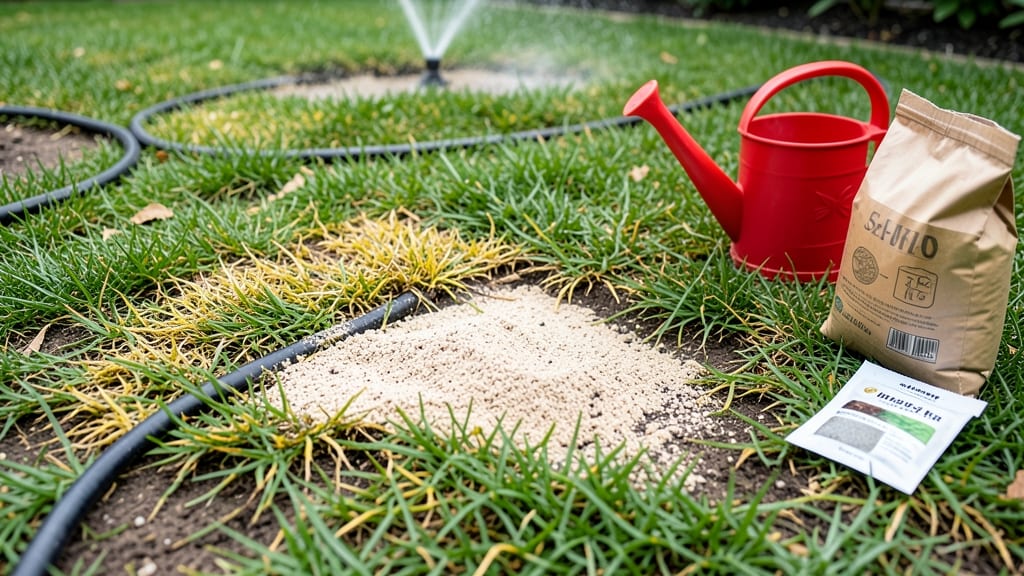
How to stop dog urine from burning lawn—before it turns your grass into a patchwork of brown spots overnight—requires fast action. 🌱 The ammonia in fresh urine burns grass roots, leaving behind dead patches that take weeks to recover. But there’s a simple spray solution that neutralizes the damage in just 24 hours, restoring your lawn to its green glory without harsh chemicals.
The fix starts with dilution—watering the area immediately after your dog goes or training them to pee on gravel paths instead. For existing damage, a homemade spray of 1 part white vinegar to 3 parts water (or a commercial neutralizer) breaks down the ammonia fast.
Even better, it’s safe for pets and kids once dry.
You’ll see results within hours: the yellowing fades, new growth appears, and your lawn looks uniform and healthy again. The key is consistency—repeat treatments for stubborn spots, and soon, your grass will bounce back like it never had a problem.
Works for all grass types, from cool-season fescue to warm-season Bermuda. No more hiding brown patches—just a lush, dog-friendly lawn. Here’s how to make the spray and train your pup to protect your turf.
The Science Behind Lawn Damage
Dog urine isn’t just a nuisance—it’s a chemical cocktail that can turn your lush lawn into a patchy, yellowed mess. Understanding why this happens is the first step to protecting your grass. Below, we break down the key culprits and the science behind them.
When dogs pee, their urine contains concentrated ammonia (NH₃) and nitrogen (N), which are byproducts of protein metabolism. While nitrogen is an essential nutrient for grass, the highly concentrated form in dog urine creates a problem:
- pH Spike: Fresh dog urine can raise soil pH to 8.0–9.0 (alkaline), disrupting nutrient uptake. Grass thrives in a neutral pH (6.0–7.0), so this imbalance stresses roots.
- Nutrient Burn: The sudden nitrogen surge overwhelms grass cells, causing oxidative stress. This leads to cell death, turning green blades brown or white.
- Salt Buildup: Urine also contains sodium and potassium salts, which dehydrate soil and further damage root systems.
Actionable Insight: Dilution is key—watering immediately after your dog pees helps disperse ammonia before it burns grass.
Frequent urination in the same spots doesn’t just harm grass—it compacts soil. Here’s how:
- Foot Traffic + Urine Weight: Dogs’ paws (especially large breeds) press down on soil, reducing aeration (air pockets). Compacted soil strangles roots by limiting oxygen flow.
- Microbe Disruption: Healthy soil relies on beneficial microbes (like Azotobacter) to break down nitrogen. High ammonia levels can kill these microbes, reducing soil fertility.
- Water Runoff: Compacted areas repel water, causing urine to pool and concentrate in small zones, amplifying burn damage.
Actionable Insight: Use a garden fork to aerate compacted spots or train your dog to pee in a designated gravel or mulch area to reduce soil damage.
While adult dogs primarily excrete urea-based urine, puppies and some small breeds (like Dalmatians) produce uric acid instead. Here’s why it’s worse for lawns:
- Higher pH Impact: Uric acid breaks down into ammonia at a slower rate but creates a more alkaline environment (pH up to 9.5), which is toxic to grass enzymes.
- Crystallization: As it dries, uric acid forms sharp crystals that can physically damage grass blades, leaving behind white, powdery residue.
Actionable Insight: Puppy urine requires more frequent dilution—water the area within 5 minutes of peeing to minimize crystal formation.
Sunlight and heat amplify urine damage through a process called volatilization:
- Ammonia Evaporation: In hot weather, ammonia quickly turns into gas, but the remaining salts and nitrogen get trapped in the soil, creating a double whammy of burn and nutrient imbalance.
- Grass Dehydration: Sun-baked urine spots draw moisture from grass roots, causing wilting and browning even if the soil isn’t directly burned.
Actionable Insight: If your lawn gets morning sun exposure, water urine spots before 10 AM to reduce evaporation.
Not all dog urine is created equal—your pup’s diet, hydration, and health can intensify lawn damage:
| Factor | How It Worsens Damage |
|---|---|
| High-Protein Diet | More protein = higher ammonia in urine. Raw or kibble-heavy diets spike nitrogen levels. |
| Dehydration | Concentrated urine (dark yellow) has 3x more ammonia than diluted urine. |
| UTIs or Kidney Issues | Medications (like phenazopyridine) can turn urine orange/red, increasing pH and burn risk. |
Actionable Insight: Switch to a lower-protein diet or add water-rich foods (like cucumbers) to dilute urine naturally.
Quick Fixes for Dog Urine Damage
Dog urine can turn your lush lawn into a patchy, yellowed mess—but the good news is, there are effective, easy-to-follow solutions to neutralize the damage and restore your grass. The key is acting fast and addressing the root cause (literally!).
Below, we break down the best fixes based on what’s causing the burn, from immediate cleanup to long-term prevention.
The longer dog urine sits, the more it burns your grass. If you catch the accident within minutes, dilution is your first line of defense.
- 💦 Grab a hose or sprinkler and soak the affected area for at least 30 seconds. This washes away concentrated ammonia and reduces pH levels.
- 🌧️ For stubborn spots, repeat the process 2–3 times over the next few hours to flush out residual urine.
- ⚠️ Pro tip: Avoid overwatering—soggy soil can suffocate grass roots. Aim for a gentle but thorough rinse.
If dilution alone isn’t enough, these affordable, non-toxic solutions can help neutralize the urine’s acidity and protect your lawn.
🍋 Vinegar & Water Spray (Best for Mild Burns)
A weak vinegar solution can balance pH levels and prevent further damage.
- Mix 1 part white vinegar with 2 parts water in a spray bottle.
- Lightly mist the burned area (don’t soak—vinegar is acidic in high concentrations!).
- Water the spot again after 10 minutes to rinse.
🧂 Baking Soda Paste (For Heavy Damage)
Baking soda is a natural neutralizer that counters urine’s acidity.
- Make a paste with ½ cup baking soda + 1 cup water.
- Gently scrub the affected grass with a soft brush, then rinse thoroughly.
- ✨ Bonus: Sprinkle a little baking soda around high-traffic pee spots to deter future accidents.
🌱 Over-the-Counter Lawn Neutralizers
For persistent damage, commercial products like Urine Off or Nature’s Miracle contain enzymes that break down ammonia. Follow the label instructions for best results.
Once the urine is neutralized, your grass needs a little TLC to recover. Here’s how to bring it back to life:
🌱 Reseed or Overseed (For Bald Spots)
If the grass is completely dead, it’s time to replant.
- Loosen the soil with a rake to help new seeds take root.
- Sprinkle grass seed over the area and lightly cover with soil.
- Keep the spot consistently moist (not soggy) for 2–3 weeks.
- 💡 Pro tip: Choose a drought-resistant grass variety if your lawn is prone to urine burns.
🌿 Fertilize Gently (After Recovery)
Wait until the grass has fully regrown (about 4–6 weeks) before fertilizing. Use a low-nitrogen, high-potassium fertilizer to strengthen roots.
🌞 Improve Soil Health
Amended soil recovers faster. Mix in compost or a slow-release organic fertilizer to boost nutrients.
The best way to stop dog urine burns is to prevent them before they start. Try these strategies:
🐕 Train Your Dog to Pee in Designated Spots
Use verbal cues like “go potty” and reward your dog with treats when they pee in the right area (e.g., a gravel patch or artificial turf).
🌿 Create a Pee-Friendly Zone
Designate a small, easily repairable area (like a mulch bed or rock garden) where your dog can do their business. Over time, the soil there will become naturally resistant to burns.
💦 Water the Lawn Regularly
Well-hydrated grass resists urine damage better. Aim for 1–1.5 inches of water per week, including rainfall.
🌱 Choose Urine-Resistant Grass Types
Some grasses handle dog urine better than others. Consider:
- Buffalo grass (drought-tolerant and hardy)
- Fescue (deep roots absorb urine better)
- Clover (natural nitrogen fixer—less sensitive to ammonia)
🧴 Use a Neutralizing Spray Proactively
Products like Urine Off or a DIY vinegar-water spray can be applied to high-risk areas before your dog pees there. This creates a protective barrier.
With these fixes, your lawn can bounce back in as little as 24 hours—or even thrive long-term with the right prevention. The key is speed and consistency. Try one method today and watch your grass green up again!
Frequently asked questions
Why does my dog's urine turn grass brown instantly?
The ammonia in fresh urine creates a pH spike (8.0-9.0), which burns grass cells on contact. Darker urine (from dehydration or high-protein diets) contains 3x more ammonia, making damage worse within minutes. Sunlight accelerates the burn by evaporating moisture faster.
Can I use regular dish soap to clean urine spots?
No—dish soap contains surfactants that can further damage grass by stripping natural oils. Instead, use a 1:2 vinegar-water mix (for mild burns) or a baking soda paste (for heavy damage). Always rinse thoroughly after applying either solution.
How long until grass recovers from urine damage?
With immediate treatment (water + neutralizer), grass may recover in 24-48 hours. For dead patches, reseeding takes 2-3 weeks to show new growth. Prevent future damage by training your dog to pee on gravel paths or using a neutralizing spray beforehand.
Will artificial turf prevent urine burns?
Yes! Artificial turf absorbs and neutralizes urine better than real grass. The synthetic fibers disperse ammonia instead of concentrating it. Plus, it’s easier to clean—just hose down spots after your dog goes. Look for turf with UV protection to prevent fading from sun exposure.
Can I use coffee grounds to fix urine damage?
Coffee grounds are acidic (pH 4.2-5.0), which can worsen alkaline urine damage. Instead, use composted manure (pH-neutral) or a low-nitrogen fertilizer after the grass recovers. For immediate fixes, stick to vinegar or baking soda solutions.