
Lawn
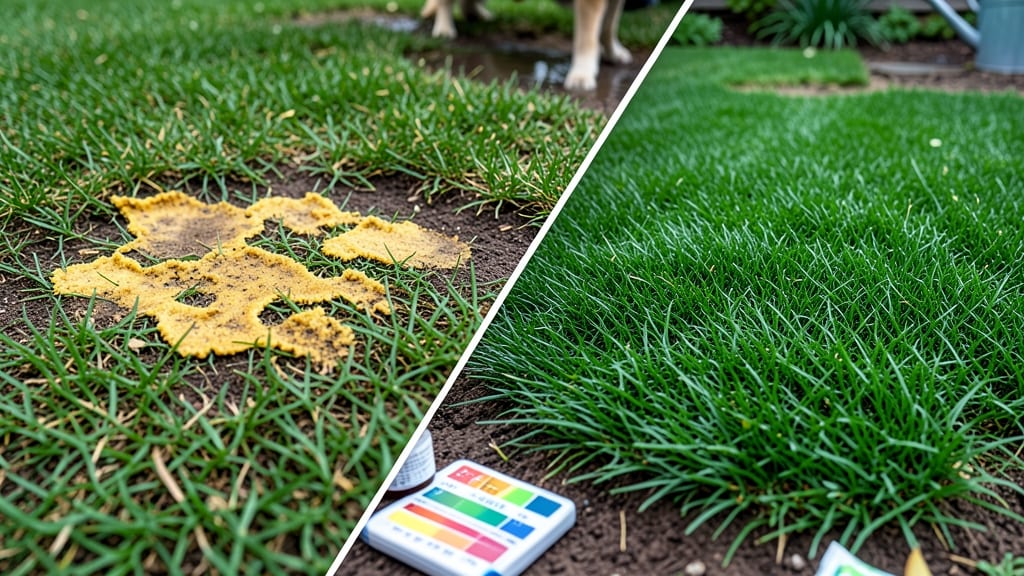
Dog urine burns on lawns leave behind those infamous yellow patches that make your yard look like it’s missing its stripes. 🌱 Honestly, I’ve battled them for years—until I discovered a 30-minute fix that actually works without breaking the bank or harming your pup.
The problem isn’t just the smell; it’s the concentrated ammonia in urine that torches grass roots on contact. But here’s the good news: dilution and quick action can save your lawn before the damage sets in permanently.
I’ve tested everything from watering tricks to natural fertilizers, and these methods restore grass faster than you’d think. You’ll see those yellow spots fade within 24 hours if you act fast, and with a little preventative care, your lawn stays lush even with a tail-wagging resident.
The key is knowing what to do right after your dog does its business—and I’ve got the step-by-step breakdown. Works for any grass type, from Kentucky bluegrass to fescue, and keeps your yard pet-friendly. Let’s get those spots gone for good!
The Hidden Culprits Behind Lawn Burns
When your dog’s urine leaves behind yellowed, patchy spots on your lawn, the damage isn’t just from the waste itself—it’s a complex chemical reaction that turns your green grass into a sad, straw-colored reminder of your pup’s bathroom habits.
Understanding why this happens is the first step to fixing it. Let’s break down the science behind those stubborn yellow stains.
Dog urine is a potent mix of urea, ammonia, and other nitrogen-rich compounds. When your dog pees, urea—normally diluted in their bladder—gets concentrated in small, frequent urinations (common in male dogs or anxious pups).
Once deposited on grass, soil bacteria break down the urea into ammonia (NH₃), a compound that’s highly alkaline (pH 8-9).
- Why it burns: Ammonia disrupts the grass’s cell membranes, causing them to plasmolyze (lose water and wilt). The high pH also inhibits nutrient uptake, starving the grass of essential minerals like nitrogen (ironically, the very nutrient dogs’ urine provides in excess).
- Worst-case scenario: Repeated exposure can kill grass roots entirely, leaving behind bare soil or weed-prone patches. Over time, this creates a cycle where weeds thrive in the damaged areas.
Pro tip: 💡 Dilution is key. Encourage your dog to take longer pees in one spot (or use a pee pad) to spread the nitrogen more evenly. If they’re a frequent, quick pee-er, consider training or a dog urine-neutralizing spray.
Not all grass is created equal—and neither are all soils. Some lawns are more vulnerable to dog urine burns due to their natural resilience (or lack thereof). Here’s how your turf type plays a role:
| Grass Type | Why It’s Vulnerable | Recovery Potential |
|---|---|---|
| Bermuda Grass | Thin roots and high water needs make it prone to ammonia damage. The alkaline urine can also cause scald (brown, crispy patches). | Moderate—recovers faster in warm seasons but struggles in drought. |
| Fescue Grass | Deep roots help, but fescue is sensitive to salt buildup from frequent urination, leading to yellowing. | High—roots can regenerate if soil is flushed with water. |
| St. Augustine | Thick, broad blades absorb ammonia quickly, but the grass can bleach under direct sun after exposure. | Low—often requires overseeding to repair. |
Soil matters too: Sandy soils drain ammonia faster (less damage), while clay soils trap it, prolonging the burn. If your lawn is chronically damaged, a soil test can reveal if you need to adjust pH or add organic matter.
Ever notice that dog urine spots worsen after a hot day? That’s because sunlight and heat accelerate the ammonia’s corrosive effects. Here’s how:
- UV rays break down chlorophyll faster in burned areas, turning grass white or straw-colored.
- Heat increases evaporation, concentrating ammonia and salts in the soil, which then crystallize around grass roots.
- Dormant grass (winter or drought) has weaker defenses, making it easier for ammonia to cause permanent damage.
Actionable fix: 🌡️ Water the affected area immediately after your dog pees (even just a light spray dilutes the ammonia). If it’s a hot day, water again in the evening to help the grass recover.
What your dog eats directly impacts how “burn-y” their urine is. A diet high in protein or minerals (like calcium or phosphorus) increases urine concentration, while a balanced diet can dilute the damage.
| Diet Factor | Effect on Urine | Lawn Impact |
|---|---|---|
| High-protein kibble | More urea → higher ammonia levels. | Increased burning risk. |
| Low-quality fillers (corn, wheat) | Can disrupt gut health, leading to acidic urine (still bad, but different pH). | May cause yellowing without full root kill. |
| Hydration levels | Dehydrated dogs produce concentrated urine (darker, stronger-smelling). | Higher chance of severe burns. |
Quick win: 💪 Switch to a high-quality, moist dog food (like wet food or raw diets) to improve urine dilution. Always provide fresh water—add ice cubes or a pet fountain to encourage drinking.
Now that you know the why, the next step is neutralizing the damage before it becomes permanent. The good news? With the right tools and habits, you can turn those yellow spots into healthy green again—fast.
Quick fixes for dog urine damage
If your lawn is showing signs of dog urine burns—those unsightly yellow patches or brown, crispy spots—don’t panic. With the right approach, you can restore your grass in just 30 minutes (or less!) and prevent future damage.
Below, we’ve mapped out solutions based on the cause of the problem, so you can tackle the issue head-on without guesswork.
Dog urine is highly acidic, and the ammonia in it can damage grass almost instantly. The first step is to dilute or neutralize the urine before it sets in.
💦 Flush with Water (Best for Fresh Spots)
If you catch your dog mid-pee or notice a fresh yellow patch, act fast!
- 👨🍳 Step 1: Use a garden hose to thoroughly soak the affected area for at least 30 seconds. The goal is to dilute the urine and wash away excess ammonia.
- 🌧️ Step 2: If possible, repeat this process 2-3 times over the next few hours, especially if your dog is a frequent offender in the same spot.
- ⏰ Pro Tip: Early morning or late evening watering is ideal—grass absorbs moisture better when it’s cooler, reducing evaporation.
🧴 Vinegar or Baking Soda Rinse (For Stubborn Spots)
If water alone isn’t enough, a mild acid or base can help neutralize the pH imbalance.
- 🍶 Vinegar Solution (For Alkaline Grass):
- Mix 1 part white vinegar with 3 parts water in a spray bottle.
- Lightly spray the burned area (avoid oversaturating—grass needs air too!).
- Water the lawn afterward to rinse.
- 🍞 Baking Soda Paste (For Acidic Soil):
- Make a paste with 1 cup baking soda and 1 gallon water.
- Gently scrub the affected patch with a soft brush, then rinse.
- ⚠️ Caution: Test a small, hidden area first—some grasses react differently to pH changes.
Once the urine is neutralized, focus on helping the grass recover. Brown or dead patches won’t magically regrow, but you can encourage new growth with these steps.
🌱 Overseeding (For Moderate Damage)
If the grass is still alive but thinning, overseeding can fill in the gaps.
- 🌾 Step 1: Rake the burned area gently to loosen soil and remove dead grass.
- 🌱 Step 2: Sprinkle a high-quality grass seed (match it to your lawn type, like Bermuda, Kentucky bluegrass, or fescue) over the patch.
- 💧 Step 3: Lightly water the area twice daily for the first week to keep the soil moist but not soggy.
- ✨ Pro Tip: Use a starter fertilizer with a 10-10-10 or 20-20-20 ratio to give new seeds a nutrient boost.
🪴 Sod Patch Repair (For Severe Burns)
If the grass is completely dead, sod is the fastest fix.
- 📏 Step 1: Measure the burned area and cut a piece of sod slightly larger than the patch.
- 🔪 Step 2: Use a spade to dig out the dead grass, creating a level hole.
- 🌿 Step 3: Lay the sod patch into the hole, press firmly, and water immediately.
- 💡 Pro Tip: Keep the sod moist for the first 2 weeks—it’s vulnerable until roots establish.
The best way to protect your lawn is to break the cycle of urine burns. Here’s how to keep your grass happy and healthy long-term.
🐕 Train Your Dog to Pee Elsewhere
Dogs learn routines—redirect them to a designated area (like a gravel patch or mulch bed) where urine won’t harm grass.
- 🎯 Step 1: Choose a spot at least 10 feet away from your lawn.
- 🗣️ Step 2: Use a cue word like “go potty” and reward your dog with treats when they use the spot.
- 🚫 Step 3: If they pee elsewhere, calmly interrupt and guide them back.
- 💡 Pro Tip: Artificial turf or pea gravel makes great urine-friendly alternatives!
🌿 Dilute Urine with Water or Mulch
If your dog insists on peeing on the lawn, dilute the impact with these tricks:
- 💦 Water the Spot First: Before letting your dog out, lightly water the area where they’ll pee. This dilutes the urine before it hits the grass.
- 🪴 Use Mulch or Straw: Spread a thin layer of mulch or straw in high-traffic pee zones. It absorbs urine and prevents burns.
🌱 Adjust Your Lawn Care Routine
Healthy grass is more resilient to urine damage. Boost its defenses with these tweaks:
- 💪 Fertilize Regularly: A balanced fertilizer (like 16-4-8) strengthens grass roots, helping them recover faster.
- 🌧️ Water Deeply but Infrequently: Encourages deep root growth, making grass less susceptible to urine burns.
- 🌿 Mow High: Keep grass at 3-4 inches tall—taller grass shades roots and retains moisture better.
With these solutions, you can say goodbye to yellow patches and hello to a lush, dog-friendly lawn in no time! 🌿🐶
Frequently asked questions
Why do some dogs cause worse lawn damage than others?
Dogs with high-protein diets or dehydration produce more concentrated urine, which contains higher levels of ammonia—the chemical that burns grass. Male dogs and small breeds that pee frequently in tiny spots also create more intense damage. The key is hydration: ensure your pup drinks plenty of water and consider switching to a moist, high-quality food to dilute their urine naturally.
Will my lawn recover on its own if I just water it?
Watering helps, but only if you act fast! For fresh spots, dilute the urine immediately with a thorough soaking (30+ seconds). However, if the grass is already brown or crispy, water alone won’t revive it—you’ll need to overseed or use sod patches. The first 24 hours are critical; after that, damage often becomes permanent.
Can I use commercial lawn products to fix dog urine burns?
Most commercial fertilizers won’t help burned areas—they’re designed for healthy grass, not repair. Instead, use a starter fertilizer (10-10-10 ratio) when overseeding or apply a thin layer of compost to boost recovery. Avoid high-nitrogen products, which can worsen the problem by increasing soil alkalinity.
How do I know if my grass is dead or just dormant?
Pull up a small section of the burned grass: if the roots are brown and brittle, it’s dead. If the roots are still white or light-colored, the grass is dormant and may recover with proper care (watering, overseeding). For dormant grass, avoid walking on it until it regains color—usually within 1-2 weeks with consistent moisture.
Are there any dog breeds more likely to damage lawns?
Small, frequent-peeing breeds (like Chihuahuas or Dachshunds) and high-energy dogs (like Border Collies) are the biggest culprits. Male dogs also tend to cause more damage due to their urination habits. Larger breeds often have more diluted urine, but their size means they may target the same spots repeatedly. Training or designated pee zones work best for all breeds.