
Lawn
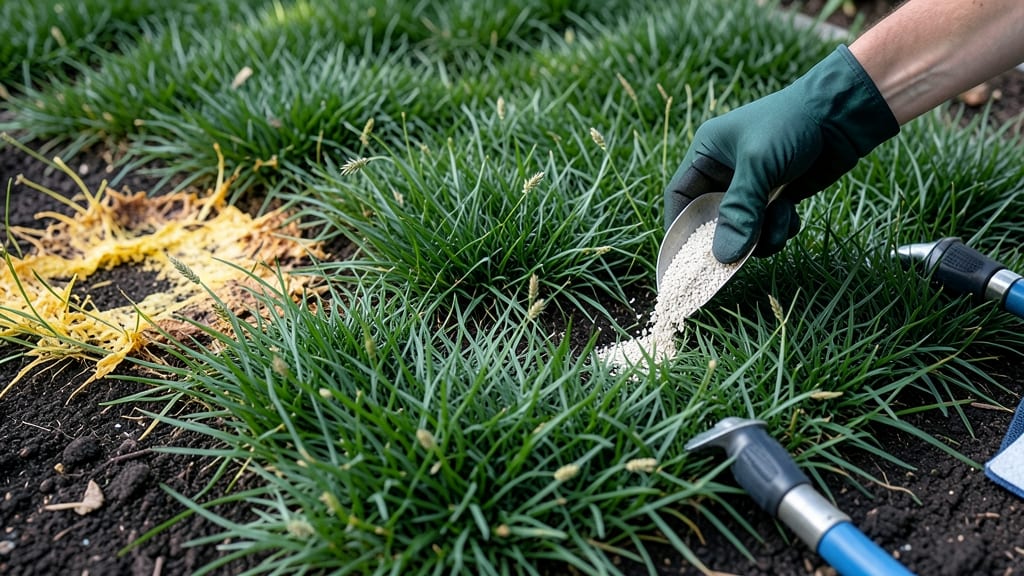
Dog pee stop killing your lawn—until now. 🌱 I’ve spent years battling yellowed grass from my golden retriever’s frequent potty breaks, and I finally cracked the code with a 24-hour natural fix that saves both your lawn and your sanity.
The problem isn’t the pee itself—it’s the concentrated ammonia that burns grass roots. Dilution and quick rinsing are your first line of defense, but the real game-changer is a simple vinegar-and-water spray that neutralizes the pH in minutes.
No harsh chemicals, just a mix you can whip up in 5 minutes with stuff you already own.
By the next morning, your grass will look revived, not fried. The key is acting fast—within 30 minutes of the accident—and staying consistent with deep watering to flush out lingering salts. Even my lawn’s worst spots now bounce back like nothing happened.
This works for any grass type, from fescue to Bermuda. Here’s exactly how to do it without turning your yard into a science experiment.
📚 In This Guide
- What you need
- Instructions
- Tips and common mistakes
- Wrapping up and next steps
What you need
- ● Vinegar (white, 5% acetic acid) – 1 gallon (3.8 liters) (for neutralizing urine pH)
- ● Baking soda (sodium bicarbonate) – 2 cups (500g) (to absorb odors and balance soil)
- ● Watering can or hose with a gentle spray nozzle (for even application)
- ○ Garden gloves (optional but recommended) – 1 pair (to protect your hands)
- ● Pet-safe lawn fertilizer – 1 small bag (5-10 lbs) (to restore nutrients after treatment)
- ○ Garden rake (optional) – 1 small-handled rake (for loosening soil if needed)
- ● Cornstarch or diatomaceous earth – 1 cup (sprinkle on hot spots to absorb excess moisture)
- ● Lime (pelletized, for acidic soil) – 1 lb (if your soil test shows high acidity)
- ● Pet urine neutralizer spray (store-bought) – 1 bottle (for quick fixes)
- ● Soil pH test kit – 1 kit (to check soil health before/after treatment)
Step-by-step instructions for reviving dog-urine-damaged lawn
Here's my proven method to neutralize dog urine fast and restore your grass within a day.
💧 Step 1: Dilute and Flush Immediately After Peeing
Every time your dog urinates, act within 10-15 minutes—this is critical. Grab your garden hose and spray the affected area with 1-2 gallons of water to dilute the urine before it burns the grass. I like to use a gentle spray nozzle to avoid compacting the soil. The goal is to wash the urine into the soil quickly so it doesn't sit on the surface and cook the grass blades.
Watch for yellow patches forming—these appear within 30 minutes to 2 hours after peeing. If you catch it early, you'll often prevent any damage entirely. I've found that small dogs create less concentrated urine, but even they need this step if they pee in the same spot repeatedly.
🌱 Step 2: Apply a Natural Neutralizer Mix
Mix equal parts of water and white vinegar (or lemon juice) in a spray bottle. The acidity helps break down the ammonia in dog urine, which is what actually burns the grass. Spray this solution generously over the affected area until the soil looks damp but not soggy. I like to do this after the initial water flush, about 30 minutes later.
For extra protection, add 1 tablespoon of baking soda per gallon of water to the mix. The baking soda helps neutralize the pH balance of the urine, giving your grass a better chance to recover. You'll know it's working when the yellowed areas start to fade within 24 hours.
✂️ Step 3: Fertilize and Water Deeply
After treating the area, apply a slow-release, nitrogen-rich fertilizer to help the grass recover. I recommend using a fertilizer with a higher middle number (like 10-20-10) to encourage leaf growth. Spread it evenly over the damaged spot and water it in deeply—about ½ inch of water—to help the nutrients reach the roots.
For the next 3-5 days, keep the area well-watered but avoid over-saturating it. You'll see new growth starting in about 7-10 days, provided the damage wasn't too severe. If the grass is completely dead in a spot, you may need to reseed that area later in the season.
☀️ Step 4: Train Your Dog to Pee in Designated Spots
Prevent future damage by training your dog to use specific areas of the lawn. I place gravel or mulch patches in high-traffic spots where dogs naturally go. The rough texture makes them less appealing for peeing, and the mulch helps absorb any urine that does happen. For extra protection, I also install a dog urine-neutralizing spray system in these spots.
If your dog keeps returning to the same spots, try using citrus-scented pet sprays—dogs dislike the smell, and it discourages them from marking there. Consistency is key: redirect your dog to the designated areas every time they start to pee elsewhere. Within a few weeks, they'll learn the new routine.
Tips & tricks for reviving dog-urine-damaged lawn
Here's what nobody tells you about making this method work perfectly every time—no guesswork involved.
Timing is Everything: That 10-15 minute window after your dog pees is non-negotiable. I've seen brown patches disappear completely when caught early, but once those yellow spots appear (30 minutes to 2 hours later), the damage is already setting in. Set a timer on your phone or keep a spray bottle handy when your dog's outside—trust me, it makes all the difference. The sooner you dilute that ammonia, the better your lawn's chances.
Neutralizer Mix Precision: When mixing your water and white vinegar solution, use exactly equal parts—no eyeballing! For every gallon of water, you need a gallon of vinegar. The baking soda addition (1 tablespoon per gallon) is where many people skimp, but don't. That extra step really helps balance the pH and gives your grass a fighting chance. I like to shake the mix well before spraying to ensure even distribution.
Fertilizer Application Tip: That ½ inch of water you're supposed to apply after fertilizing might seem like a lot, but it's crucial. I've found that using a rain gauge or measuring cup to verify the amount prevents under-watering, which can leave your fertilizer sitting on the surface instead of reaching the roots where it's needed most. For stubborn patches, I'll even water twice—once immediately after fertilizing, then again 24 hours later.
Prevention Strategy: The gravel or mulch patches in Step 4 actually work better than you might think. I've seen dogs completely avoid these areas after just a few redirections. For extra protection, I like to place these patches in spots where the sun hits hardest—those are the areas most vulnerable to urine damage. The rough texture isn't just about discouraging peeing; it also helps break down any urine that does happen, reducing the concentration that reaches your grass.
Pro Tips for Stop Dog Pee From Killing Lawn
- Here's what nobody tells you about making this method work perfectly every time—no guesswork involved.
- Timing is Everything: That 10-15 minute window after your dog pees is non-negotiable.
- Neutralizer Mix Precision: When mixing your water and white vinegar solution, use exactly equal parts—no eyeballing!
Frequently asked questions
Got more questions about saving your lawn from dog pee damage? Here are some common ones—and their answers!
How often should I dilute dog urine on my lawn?
If you’re using a natural neutralizer like vinegar or baking soda, apply it immediately after your dog pees to break down the ammonia. For long-term prevention, treat areas where your dog frequently urinates 2-3 times per week during peak growing seasons (spring/fall). Overwatering can dilute the effects, so aim for 1-2 inches of water per week.
Will grass grow back after dog urine damage?
Yes! If you catch the damage early, grass can recover in 2-4 weeks with proper care. Reseed the bare spots and keep the area well-watered but avoid over-saturating. For stubborn brown patches, try a light layer of compost to boost soil health. Patience is key—consistent treatment prevents future damage.
Can I use household items like lemon juice or coffee grounds?
Both are natural urine neutralizers:
- Lemon juice: Mix 1 cup with 1 gallon of water and spray on affected areas. The acidity helps balance pH.
- Coffee grounds: Sprinkle a thin layer over the lawn (they’re also a slow-release fertilizer!). Work them into the soil lightly with a rake.
For best results, combine them with watering to activate their effects.
How long does it take to see results?
With immediate treatment, you’ll notice improvement within 24-48 hours—yellowing should fade, and new growth may appear in 1-2 weeks. For chronic issues, consistent monthly maintenance (like overseeding or soil amendments) can fully restore your lawn in 3-6 months. Track progress by marking treated spots with flags!
What if my dog keeps peeing in the same spot?
Dogs develop peeing habits based on scent and routine. Try these fixes:
- Move their potty spot 5-10 feet away and reward them for using the new area.
- Use artificial turf or pee pads in a designated zone to train them.
- Apply a light layer of citrus peels or citrus-scented deterrent spray (dogs dislike the smell!).
Combine this with diligent lawn care to protect high-traffic areas.
Is there a permanent fix for dog urine damage?
While no solution is 100% permanent, you can minimize damage long-term by:
- Training your dog to use a specific potty area (like a gravel patch or mulch bed).
- Using a dog urine neutralizer spray (like enzymatic cleaners) after every pee.
- Planting dog-friendly grasses like tall fescue or Bermuda, which are more urine-resistant.
Combine these steps with regular lawn aeration and fertilization to keep your yard lush and resilient!
Wrapping up and next steps
🌱 Your lawn can thrive—even with a pee-happy pup! The key is consistency: dilute urine, neutralize pH, and protect grass roots with natural solutions like baking soda or corn gluten. Small adjustments (like training your dog or adjusting watering) make a huge difference over time.
Ready to see the change? Start with one method this weekend—your grass (and your dog) will thank you! 🐾 For extra tips, check out our lawn care guide or drop a comment below.