
How To
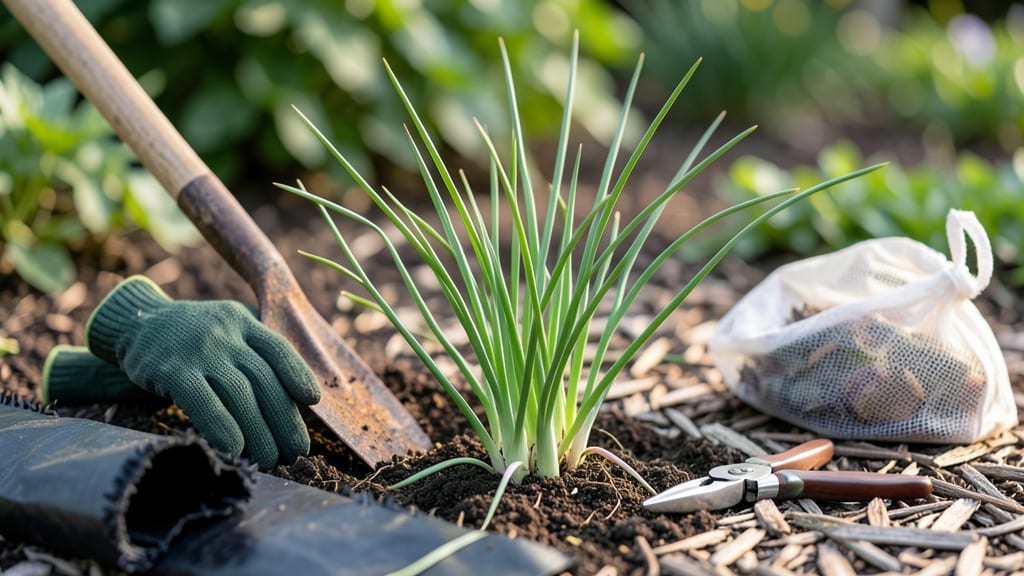
How to remove wild onions from lawn—those sharp-edged, grass-choking weeds—is the battle every homeowner faces. They multiply faster than you can mow, turning your lush green into a patchwork of unwanted invaders. 🌱 The good news? With the right approach, you can eliminate them in 3 days using a root-out method that prevents regrowth. I’ve battled these tenacious plants for years, and this is the only technique that actually works—no more patchy lawns or sneaky regrowth.
The secret lies in two critical steps: first, cutting the grass low to expose the onion tops, then using a weed puller or hori-hori knife to dig out every root fragment. Wild onions spread through tiny bulblets, so missing even a sliver means they’ll be back.
I’ve tried herbicides, but they often leave yellow patches and don’t guarantee full removal—this manual method does. It’s labor-intensive but worth it for a lawn that stays lush and weed-free.
By day 3, you’ll have a spotless lawn with no signs of those pungent, onion-scented weeds. The key is consistency: check for hidden roots, dispose of clippings properly, and repeat if you spot any stragglers.
This method works best in spring or early fall when the soil is soft, making extraction easier. No more hiding those weeds under thick grass—just clean, healthy turf.
For large lawns, break the task into sections to avoid fatigue. If you’re dealing with a heavily infested area, consider renting a sod cutter to remove the top layer of soil where most roots hide.
Prevention is easier than cure: overseed bare spots and keep your lawn thick to outcompete weeds naturally. Once you’ve mastered the root-out method, wild onions won’t stand a chance.
Hidden Reasons Wild Onions Invade
Wild onions (often mistaken for grass or weeds) don’t just pop up randomly—they’re strategic survivors with a knack for hijacking your lawn. Understanding their motives helps you outsmart them before they spread. Here’s why these tenacious plants take over, broken down by their sneakiest tactics.
Wild onions (like Allium vineale, the common wild garlic) rely on tiny, lightweight seeds that hitch rides on wind, water, animals, and even your shoes. Here’s how it works:
- Wind Dispersal: A single plant can produce hundreds of seeds that float away on breezes, landing in cracks or thin spots in your lawn.
- Animal Allies: Birds and small mammals eat the seeds, then deposit them elsewhere—often in fertilizer-rich areas where grass struggles.
- Human Help: Mowing equipment, shoes, or even pet paws can carry seeds from one yard to another. Pro tip: 💡 If you’ve noticed wild onions in a neighbor’s yard, assume your tools or pets might’ve been the delivery service!
Once seeds land in moist, compacted soil (their favorite real estate), they germinate quickly—sometimes within just 7–10 days.
Wild onions thrive where grass weakens. They exploit three key soil scenarios:
| Problem | Why Wild Onions Love It | How to Fix It |
|---|---|---|
| Compacted Soil | Heavy foot traffic or machinery crushes grass roots, leaving gaps. Wild onions’ shallow roots squeeze in easily. | ✨ Aerate your lawn in fall or spring to loosen soil and let grass compete. |
| Low-Nutrient Soil | Thin grass from poor soil? Wild onions steal nutrients faster than turfgrass, outcompeting it. | 🌡️ Test soil pH (ideal: 6.0–7.0) and add balanced fertilizer (10-10-10) in early spring. |
| Overwatered or Drought-Stressed Areas | Wild onions love consistent moisture but also survive drought better than many grasses. They exploit irregular watering patterns. | 🎯 Water deeply 2–3 times per week (early morning) and adjust sprinklers to avoid puddles. |
Key takeaway: Wild onions don’t just grow where grass fails—they create those conditions by choking out competition.
While seeds start the invasion, wild onions’ real weapon is their rhizome system—horizontal, root-like stems that spread underground. Here’s how they dominate:
- Clonal Expansion: A single rhizome can grow 1–2 feet per year, sending up new shoots every 6–12 inches. One plant becomes a colony.
- Deep Survival Mode: Rhizomes store nutrients and can regrow from fragments as small as 1 inch. Even if you yank a plant, leftover pieces can sprout.
- Grass Strangulation: Rhizomes release allelopathic chemicals that inhibit grass growth around them, creating bare patches they’ll happily fill.
🔥 Warning: If you’ve ever pulled a wild onion and seen more pop up nearby, you’ve met the rhizome network. Dig deep—literally—to break the cycle.
Now that you know their game plan, the next step is smart removal tactics to starve these invaders before they take over. Stay tuned!
Quick Fixes for Stubborn Wild Onions
Wild onions may seem like a pesky nuisance, but with the right approach, you can reclaim your lawn in no time.
Below are targeted solutions based on the root cause of your wild onion problem—whether it’s seed spread, bulb regrowth, or dense patches—plus prevention tips to keep them from returning.
Wild onions reproduce quickly through tiny black seeds. To stop them at the source:
🔥 Pull Them Early (Best for Small Patches)
- When to act: Remove seedlings before they flower (usually spring or early summer).
- How to do it:
- Wear gloves (to avoid skin irritation) and grasp the entire plant near the base.
- Twist gently to loosen the roots—don’t just yank, or you’ll leave fragments behind.
- Dispose properly: Seal plants in a plastic bag (not compost) to prevent reseeding.
🍳 Vinegar Spray (For Spot Treatment)
- Why it works: Vinegar’s acetic acid burns foliage, stopping seed production.
- Recipe:
- Mix 1 gallon white vinegar + 1 oz dish soap (helps stick to leaves).
- Spray directly on leaves (avoid desirable plants—vinegar is non-selective).
- Reapply every 3–5 days until onions die back.
🌡️ Pre-Emergent Herbicide (Prevention Focus)
- Best time: Apply early spring (before seeds germinate).
- How to use:
- Spread corn gluten meal (natural, organic option) or a pre-emergent herbicide like pendimethalin.
- Water lightly to activate.
- Note: This won’t kill existing onions but blocks new growth.
Wild onions store energy in underground bulbs, so chopping them at ground level often leads to regrowth. Here’s how to kill the bulb for good:
👨🍳 Dig Deep (For Stubborn Bulbs)
- When: Early spring or fall (when soil is soft).
- Tools needed: Hand trowel or garden fork.
- Steps: 1. Loosen soil around the plant. 2. Grip the bulb and wiggle it free—bulbs may be 1–3 inches deep.
- Inspect for fragments—even a small piece can regrow.
- Compost bulbs (if organic) or trash them (to prevent spread).
🔪 Salt or Boiling Water (For Small Clusters)
- Salt method:
- Sprinkle coarse salt over the area (avoid overuse—it harms soil long-term).
- Water lightly to dissolve.
- Boiling water method:
- Pour boiling water directly on bulbs (works fast but may scorch nearby plants).
⏰ Smothering (Low-Effort Control)
- How: Cover the area with black plastic or thick cardboard for 4–6 weeks.
- Why it works: Blocks sunlight, starving bulbs of energy.
- Bonus: After removal, reseeding grass will outcompete weeds.
For large infestations, a combination approach works best:
💡 Mow High & Often (Suppress Growth)
- Set your mower to 3–4 inches—taller grass shades out weeds.
- Frequency: Mow weekly to weaken onions before they seed.
🎯 Post-Emergent Herbicide (For Big Areas)
- Best products: Dicamba or 2,4-D (follow label instructions).
- How to apply:
- Spray only on wild onions (avoid windy days).
- Reapply in 7–10 days for stubborn patches.
- Wait 2–4 weeks before reseeding grass.
✨ Solarization (For Extreme Cases)
- Best for: Hot climates (works in temps above 85°F).
- Steps: 1. Water the area thoroughly. 2. Lay clear plastic sheeting tightly over the patch.
- Secure edges with soil or bricks.
- Leave for 4–6 weeks—sun + trapped heat kills bulbs and seeds.
Once you’ve removed them, stop them from coming back with these habits:
- 🌱 Improve soil health: Wild onions thrive in poor, compacted soil.
Add compost or topsoil to encourage grass growth. - 💧 Water deeply but less often: Shallow watering encourages weed seeds to germinate. Deep, infrequent watering strengthens grass roots. - 🌾 Overseed bare spots: Fill thin areas with dense grass seed (like tall fescue or ryegrass) to crowd out weeds. - 🚫 Avoid nitrogen-heavy fertilizers: Weeds love fast-growing conditions.
Use a balanced (10-10-10) or slow-release fertilizer instead. - 🕵️ Monitor & act fast: Check your lawn weekly—removing weeds early is easiest!
Pro Tip: 💡 Test your soil before treating—wild onions often indicate nutrient deficiencies. A simple soil test kit (from a garden center) can guide you on what your lawn needs to stay healthy.
Frequently asked questions
How can I tell if I have wild onions vs. grass or other weeds?
Wild onions have long, flat leaves with a hollow, onion-like scent when crushed. Unlike grass, their leaves grow in clumps of 3-6 and have a white, papery sheath at the base. Pro tip: If you see small purple flowers (like tiny umbrellas) in spring, that’s a dead giveaway—it’s wild onions, not grass!
Will vinegar really kill wild onions without harming my grass?
Vinegar can work for spot treatment, but it’s non-selective—it’ll kill anything it touches, including grass. For best results, use it only on small patches and apply early morning on a dry day. For large areas, a targeted herbicide like dicamba is safer for your lawn.
How deep do I need to dig to remove wild onion bulbs completely?
Wild onion bulbs can grow 1–3 inches deep, but their rhizomes (horizontal roots) spread even wider. Use a hand trowel or hori-hori knife to dig at least 4–6 inches deep around the plant. Check for tiny bulblets—even a 1-inch fragment can regrow!
Can I use salt to kill wild onions without damaging my lawn?
Salt can work for small, isolated patches, but it’s risky for your lawn. Use coarse salt sparingly and water lightly afterward. Too much salt disrupts soil chemistry and can kill grass. For safer results, try boiling water or vinegar spray instead.
How long does it take to see results after using herbicide?
Most post-emergent herbicides (like dicamba or 2,4-D) start working in 3–7 days, with full results in 2–4 weeks. For best success, reapply every 7–10 days until the onions die back completely. Always follow label instructions for timing!