
Lawn
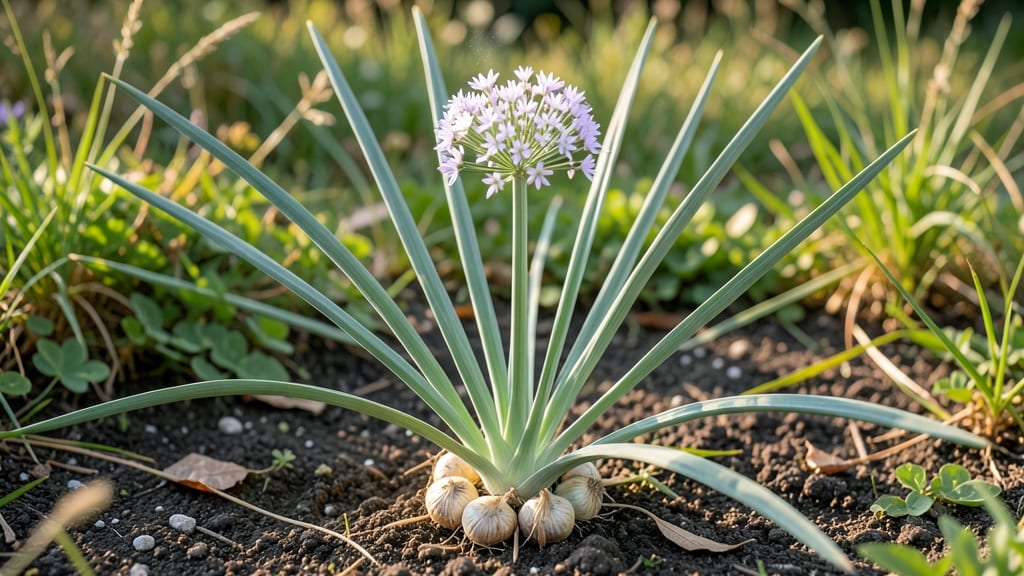
Wild onions in your lawn aren’t just weeds—they’re sneaky invaders that multiply faster than you can say "spring cleanup." 🌱 I’ve wrestled with these stubborn plants for years, and I’ve found that the key to eradicating them naturally lies in understanding their growth habits and striking at the right time.
The problem starts with those thin, grass-like leaves that blend into your lawn, but beneath the surface, a network of bulbs and roots spreads aggressively. Most store-bought weed killers miss the underground parts, leaving them to regrow.
Instead, I’ve had the most success with a combination of manual removal, smothering, and targeted natural treatments that actually work. You’ll see results within 3-4 weeks if you’re consistent—no more scattered clumps, just a clean lawn. The best part?
These methods keep your yard safe for pets and kids while still getting rid of the problem for good. Works in any season, but early spring or fall gives you the edge. Let’s tackle this step by step—no chemicals, no guesswork, just effective solutions.
The Hidden Triggers Inviting Wild Onions
Wild onions—those tenacious, grass-like weeds with a sharp bite—don’t just appear in your lawn by accident. Their presence is often a sign that your yard is providing the perfect conditions for their growth.
Understanding the root causes (literally!) of their spread helps you take targeted action to prevent future invasions. Here’s why these stubborn plants thrive where they shouldn’t.
Wild onions, including species like Allium vineale (wild garlic) and Allium canadense, love nutrient-poor, compacted, or acidic soils. Here’s why:
- Compacted Soil: Heavy foot traffic, machinery, or clay-heavy soils compress the earth, restricting water and air flow. Wild onions exploit these gaps because their shallow roots can easily penetrate loose, disturbed soil layers. Pro tip: Aerate your lawn annually to break up compaction and encourage deeper grass root growth, making it harder for weeds to take hold.
- Low Organic Matter: Lawns with minimal compost, mulch, or decomposed plant material lack the competition wild onions need to struggle against. These weeds thrive in "bare" spots where grass struggles to establish. Actionable fix: Top-dress with ¼-inch of compost in early spring to boost soil fertility and crowd out weeds naturally.
- Acidic pH: Wild onions prefer slightly acidic to neutral soil (pH 6.0–7.0). If your lawn’s pH dips below 6.0, grass weakens while weeds like onions flourish. Test it: Use a soil test kit to check pH—aim to raise it to 6.5–7.0 with lime if needed.
Watering habits play a surprising role in wild onion proliferation. These weeds are drought-tolerant but exploit lawns with inconsistent moisture:
- Shallow Watering: Light, frequent watering (e.g., daily sprinklers) encourages onions to grow closer to the surface, where their bulbs stay hydrated. Solution: Water deeply 1–2 times per week (1–1.5 inches per session) to promote deep grass roots and stress out shallow weeds.
- Patchy Moisture Zones: Areas near sprinkler heads, slopes, or under trees often receive uneven water, creating "wet spots" where wild onions germinate. Fix: Adjust sprinkler heads or use soaker hoses to distribute water evenly.
- Post-Rain Germination: Heavy rainfall washes seeds into the soil, while subsequent dry spells prevent grass from outcompeting them. Prevent: Overseed bare patches after rain to fill gaps before weeds sprout.
Wild onions are opportunistic—they fill gaps where grass is weak or absent. Common causes include:
- Low Mowing Heights: Cutting grass too short (below 2–3 inches) stresses it, leaving bare soil for weeds. Rule of thumb: Mow at the highest setting for your grass type to shade out weeds.
- Lack of Overseeding: Thin lawns (especially in fall) invite wild onions to establish. Solution: Overseed annually with a dense grass mix like tall fescue or perennial ryegrass.
- Disease or Pest Damage: Fungal infections (e.g., brown patch) or grubs can kill grass in patches, creating ideal onion habitats. Act fast: Treat affected areas with fungicides or nematodes, then reseed.
Wild onions don’t just sprout from nowhere—they hitchhike via:
- Wind and Water: Light seeds (like those of Allium vineale) travel easily, landing in lawns after storms or from adjacent fields. Barrier tip: Trim grass edges and mow frequently to reduce seed dispersal.
- Animals and Birds: Deer, rabbits, and even squirrels spread onion bulbs or seeds through digging or droppings. Deterrent: Install fencing or use natural repellents like garlic spray to discourage wildlife.
- Human Activity: Gardening tools, shoes, or compost can unintentionally transport seeds. Sanitize: Clean tools with rubbing alcohol between yards.
Key takeaway: Wild onions exploit lawns that are stressed, under-maintained, or ecologically imbalanced. By addressing soil health, watering practices, grass density, and seed sources, you can starve these weeds out before they become a full-blown invasion. 🚀
Eradicating Wild Onions Naturally
Wild onions may seem harmless at first, but their persistence can turn your lawn into a battleground. The good news? You don’t need harsh chemicals to reclaim your green space.
Below are targeted, eco-friendly solutions tailored to the root causes of wild onion invasions—whether they’re popping up due to poor soil health, seed spread, or aggressive bulb growth.
---
Best for: Small patches or newly sprouted onions (before they flower).
1. 👨🍳 Grab the Right Tools - Wear gloves (onions can irritate skin). - Use a hand trowel or weeding fork for stubborn roots.
2. 🔪 Dig Deep for the Bulbs - Wild onions grow from bulbs, not just roots. Pull until you feel resistance—this ensures the whole plant comes out. - Pro Tip: 💡 If the bulb snaps, leave the broken piece in the ground—it’ll regrow!
3. ⏰ Timing Matters - Fall or early spring are ideal—soil is soft, and onions are easier to remove. - Avoid pulling after rain (slippery soil = incomplete extractions).
4. 🗑️ Dispose Properly - Do NOT compost—the bulbs can sprout again. Bag them and toss in the trash.
---
Best for: Large infestations or areas where digging is difficult.
1. 🥘 Cover with Cardboard or Newspaper - Lay down 2–3 layers of cardboard (ink-side down) or thick newspaper over the affected area. - Top with 2–3 inches of mulch (straw, wood chips, or leaves). - Why it works: Blocks sunlight, weakening onions over 4–6 weeks.
2. 💧 Solarization (For Hot Climates) - Cover the area with clear plastic sheeting (secured tightly). - Leave for 4–6 weeks in sunny weather (temps should reach 104°F+). - ⚠️ Warning: Only works in dry, hot conditions—excess moisture can encourage mold.
3. 🌡️ Vinegar Spray (Spot Treatment) - Mix 1 gallon of white vinegar + 1 cup salt + 1 tbsp dish soap. - Spray directly on leaves (avoid desirable plants—vinegar burns foliage). - Repeat every 3–5 days until onions wilt. - 💡 Pro Tip: Apply on a sunny day for maximum effectiveness.
---
Best for: Keeping wild onions from returning.
1. 🌿 Improve Soil Health - Wild onions thrive in poor, compacted soil. Amend with: - Compost (1–2 inches worked into the topsoil). - Organic matter (leaf mold, well-rotted manure). - 💪 Why? Healthy grass outcompetes weeds naturally.
2. 🌱 Overseed Bare Spots - Fill thin or bare patches with dense, competitive grass seed (e.g., tall fescue or perennial ryegrass). - ✨ Bonus: Use a pre-emergent herbicide (like corn gluten meal) in early spring to block new seeds.
3. 🔄 Rotate Your Approach - Year 1: Manual pulling + smothering. - Year 2: Vinegar treatments + soil improvement. - Year 3: Overseeding + prevention.
4. 🚫 Avoid Common Mistakes - ❌ Mowing too short—weakens grass, letting onions take over. - ❌ Skipping disposal—even small bulb pieces regrow. - ❌ Using chemical herbicides—they harm soil and beneficial insects.
---
Before you toss those pulled onions, consider: - 🍳 Culinary Use: Wild onions are edible (milder than chives) and great in salads or soups. - 🌱 Natural Pest Repellent: Crush bulbs and scatter around garden beds to deter pests. - 💰 Sell or Trade: Local farmers or foragers may pay for wild onion bulbs!
--- Final Thought: Patience and persistence pay off. With consistent effort, your lawn can go from wild onion haven to lush, weed-free paradise—naturally! 🌱💚
Frequently asked questions
How can I tell if those grass-like weeds are actually wild onions?
Wild onions have hollow, tube-shaped leaves (like grass) but with a distinctive onion-like odor when crushed. Look for small, round bulbs at the base or white flowers in spring. Rub a leaf between your fingers—if it smells like onions or garlic, that’s your clue. They often grow in clusters, unlike grass.
Will vinegar really kill wild onions, or will it just burn my lawn?
Vinegar works best as a spot treatment on wild onions, not as a lawn-wide spray. Use a mix of 1 gallon vinegar + 1 cup salt + 1 tbsp dish soap on sunny days—it kills the leaves, forcing the plant to use up its bulb reserves. For safety, apply only to weeds (not grass) and avoid windy conditions.
How deep do I need to dig to remove wild onion bulbs completely?
Dig until you feel resistance—wild onion bulbs can be 1–3 inches deep. Use a weeding fork or trowel to loosen soil around the bulb. If you miss even a small piece, it’ll regrow! Wear gloves—the sap can irritate skin, and the smell might make you sneeze.
Can I use corn gluten meal to prevent wild onions from coming back?
Yes! Corn gluten meal is a natural pre-emergent herbicide that blocks weed seeds from sprouting. Apply ½–1 pound per 100 sq ft in early spring (before weeds germinate) or fall. It’s safe for lawns and breaks down in soil, but won’t kill existing onions—use it as part of your long-term prevention plan.
Are wild onions harmful to pets or children?
Wild onions are generally safe but can cause mild stomach upset if ingested in large amounts. The real risk is their bulbs, which may irritate mouths or throats. If you have pets or kids, wear gloves when pulling and dispose of bulbs properly. Always supervise children near lawns with fresh weeds.