
Pests
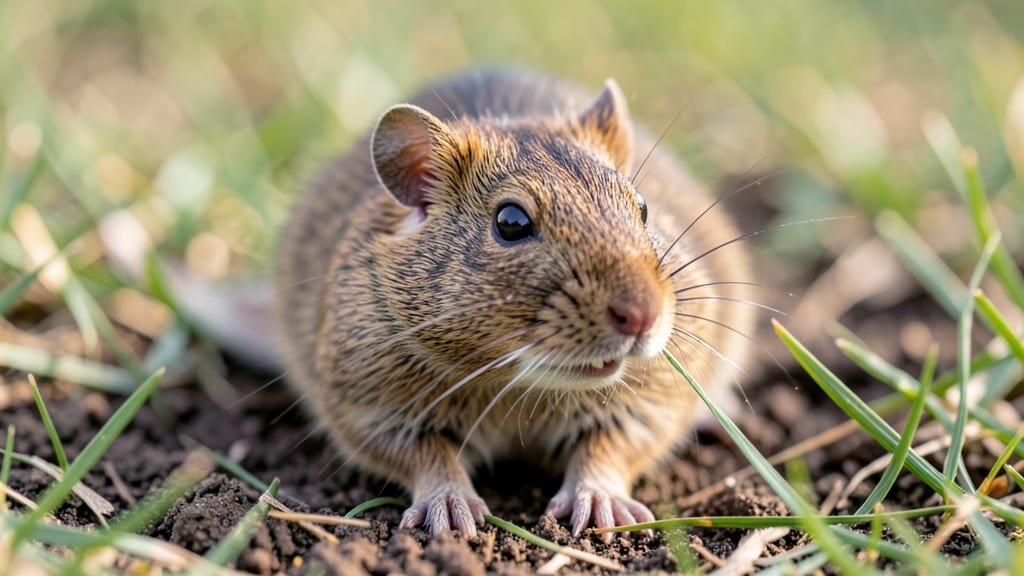
Voles in your lawn aren't just digging tunnels—they're stealing your bulbs, gnawing roots, and leaving behind a maze of damage that looks like a rodent warzone. 🌱 I've spent years dealing with these sneaky pests, and I'm sharing the exact humane traps and repellents that finally gave me back my yard within 2-3 weeks.
The key is understanding their behavior: voles avoid open spaces and love dense ground cover. That's why simple wire mesh barriers and castor oil-based repellents work better than poison—no more dead rodents or risk to pets.
You'll see the difference in just a few days once you block their access points. By the time you're done, your lawn will look like it did before the invasion: no more surface holes, no more chewed stems, and no more lost bulbs. The best part?
These methods work for perennial gardens, vegetable plots, and even flower beds without harming the ecosystem. Fair warning: voles are persistent, so consistency is key. But trust me, once you've tried these proven techniques, you'll wonder why you didn't do it sooner. Let's get your lawn back!
What Attracts Voles to Your Yard
Voles—those small, burrowing rodents—don’t just wander into your lawn by accident. They’re drawn by a mix of food, shelter, and ideal living conditions. Understanding these triggers is the first step to outsmarting them.
Let’s break down the key reasons voles invade your outdoor space and how their behavior sets the stage for an infestation.
Voles are herbivores with a hearty appetite, and your lawn may be serving up an all-you-can-eat buffet without you realizing it.
Their diet includes: - Grass and plant roots: Voles gnaw on grass roots, creating irregular patches in your lawn—often mistaken for drought damage. - Vegetable gardens: Crisp lettuce, carrots, and other garden veggies are vole favorites.
Even mulch can attract them if it contains organic matter. - Seedlings and bulbs: Newly planted flowers or spring bulbs are especially vulnerable to vole nibbling. - Stored grains or pet food: If you leave birdseed, pet food, or compost piles uncovered, voles will feast on them.
Why it matters: A well-fed vole is a happy vole—and a persistent one. If your yard offers easy access to food, they’ll stick around, reproduce, and expand their tunnels.
Voles thrive in environments that provide cover, moisture, and protection from predators.
Look for these vole magnets in your yard: - Thick mulch or leaf litter: Piles of mulch, fallen leaves, or wood chips create perfect hiding spots and nesting material. - Dense ground cover: Ivy, clover, or overgrown grass offer voles easy access to burrow and travel undetected. - Rock piles or debris: Stones, bricks, or construction debris provide shelter and a sense of security. - Lawn edges and garden borders: Voles prefer areas where grass meets soil or mulch, as these spots offer both food and cover.
Why it matters: Without shelter, voles are vulnerable to birds, snakes, and other predators. If your yard mimics their natural habitat, they’ll see it as a prime real estate opportunity.
Voles love soft, moist soil because it’s easier to dig and provides a stable environment for their tunnels.
Here’s what makes your lawn vole-friendly: - Overwatered lawns: Excessive irrigation or poor drainage keeps soil damp, inviting voles to burrow. - Low-lying areas: Depressions in your yard where water pools after rain create ideal vole habitats. - Compost or garden beds: Rich, moist soil in vegetable gardens or compost heaps is a vole magnet.
Why it matters: Dry soil is harder for voles to excavate, but moist conditions make tunneling effortless. If your yard stays damp, voles will dig in and stay put.
In urban and suburban areas, voles often face fewer predators than in the wild. Without threats like foxes, owls, or snakes, vole populations can explode.
Here’s how your yard might be inadvertently protecting them: - Fenced yards: While fences keep pets safe, they also block predators from controlling vole numbers. - Overgrown vegetation: Tall grass or dense shrubs hide voles from their natural enemies. - Limited open spaces: Voles prefer areas with plenty of cover, so open lawns with few predators give them a competitive edge.
Why it matters: When predators are absent, voles reproduce rapidly and expand their territory. A single pair can produce up to 10 offspring per litter, leading to a full-blown infestation in months.
Voles are most active during spring and fall, when food is abundant and weather conditions are ideal for nesting.
Here’s how seasons influence their behavior: - Spring: Voles emerge from winter hibernation (if they do) and seek mates, leading to rapid population growth. - Fall: They stockpile food for winter, gnawing through roots and bulbs to prepare for colder months. - Winter: While less active, voles may still tunnel under snow for shelter and food.
Why it matters: Timing is everything. If you notice vole damage in spring or fall, it’s often a sign of breeding season—meaning the problem will worsen if left unchecked.
Pro Tip: 💡 Vole-proofing your yard starts with eliminating their top attractions. By removing food sources, reducing shelter, and improving drainage, you make your lawn less inviting—and more likely to keep voles moving on to the next neighborhood. Stay tuned for actionable solutions in the next section!
Quick Fixes for Voles in Your Lawn
Voles may seem like tiny troublemakers, but with the right approach, you can reclaim your lawn without harming them—or your garden. The key is addressing their attraction to your yard while making your space less inviting.
Below are practical, step-by-step solutions tailored to the most common vole triggers, from habitat changes to humane deterrents.
Voles thrive in thick, moist vegetation where they can hide and nest. If your lawn is their buffet, start by thinning out the grass and removing excess mulch.
- 🔥 Trim and Aerate Use a lawn mower or string trimmer to cut grass to a height of 2–3 inches. Focus on shady, damp areas where voles love to nest. Aerate compacted soil to reduce moisture buildup, which voles adore.
- 🍳 Rake Away Mulch Piles Voles use mulch as insulation for tunnels. Spread mulch no deeper than 2–3 inches and keep it away from garden beds. Consider gravel or landscaping fabric as alternatives in high-risk areas.
- 👨🍳 Clear Debris Remove leaf litter, fallen branches, and tall weeds. Store firewood, compost, and garden tools at least 10 feet away from your home and lawn edges.
Voles are herbivores, and if your garden is a salad bar, they’ll stick around. Starve them out by securing food and removing their favorite snacks.
- 🔪 Protect Young Plants and Bulbs Use hardware cloth (1/4-inch mesh) to wrap the base of trees, shrubs, and bulbs. Bury the mesh 6 inches deep to prevent tunneling. For raised beds, line the bottom with wire mesh before adding soil.
- 🥘 Choose Vole-Resistant Plants Voles dislike strongly scented herbs like rosemary, thyme, and lavender. Plant these near vulnerable areas. Avoid planting low-growing perennials or tender annuals in vole-prone zones.
- ⏰ Harvest Crops Promptly Pick fruits, vegetables, and fallen nuts as soon as they ripen. Leaving them on the ground is like leaving out an all-you-can-eat buffet.
If voles have already moved in, you’ll need to physically remove them while making your yard less appealing.
- 💡 Humane Trapping: The Best First Step Use live traps (like the Havahart Live Trap) baited with apple slices, oats, or peanut butter. Check traps twice daily and relocate voles at least 5 miles away in a wooded or grassy area. Never release them near your home!
> 🔥 Pro Tip: Place traps along runways (visible paths in the grass) or near burrow entrances (small holes with no visible tunnel). Avoid setting traps in heavy rain or snow.
- 🌡️ Repellents: Natural Deterrents Voles dislike strong smells and textures. Sprinkle coarse salt, red pepper flakes, or castor oil-based repellents (like Rope-Off) around the lawn perimeter. Reapply after rain.
> ✨ Bonus: Soak cotton balls in ammonia or predator urine (coyote or fox) and place them near entry points. The smell tricks voles into thinking a predator is nearby.
- 🎯 Physical Barriers: Long-Term Defense Install 1/4-inch hardware cloth around garden beds, patios, and the base of trees. Bury it 6 inches deep to prevent tunneling underneath. For slopes, use wire mesh fencing buried vertically.
Once you’ve evicted them, break the cycle with these long-term strategies.
- 💡 Regular Lawn Maintenance Mow weekly and keep grass short. Voles prefer tall, unkempt areas for cover.
- 🔥 Reduce Moisture Hotspots Fix leaky sprinklers, improve drainage, and avoid overwatering. Voles seek damp, shady spots—dry them out!
- 🌡️ Encourage Natural Predators Attract owls, snakes, and foxes by installing birdhouses, bat boxes, or small water features. Even the presence of these predators can deter voles.
- 🎯 Rotate Repellents Seasonally Voles can grow accustomed to repellents. Switch between castor oil, predator urine, and physical barriers every few weeks to stay ahead.
By combining habitat modification, food denial, and humane removal, you can permanently reduce vole activity in your lawn. Start with one or two methods, monitor progress, and adjust as needed—your yard will thank you!
Frequently asked questions about removing voles from your lawn
What’s the fastest way to tell if voles—not mice—are in my yard?
Look for surface holes (about 1-2 inches wide) with no visible tunnel entrance, and irregular patches of dead grass from root gnawing. Voles leave behind chewed plant stems at ground level (mice chew higher up), and their runways are visible as thin, winding paths through the grass.
Can I use poison to kill voles, or is it safer to use humane traps?
Poison is risky—it can harm pets, wildlife, and even children who might find the bait. Humane live traps are the best choice because they let you relocate voles safely (at least 5 miles away in a wooded area). Plus, poison often fails to kill all voles and can create a secondary poisoning problem when predators eat the dead rodents.
How deep should I bury hardware cloth to keep voles out?
Bury it 6-12 inches deep—voles dig just below the surface, so shallow barriers won’t work. For raised beds, line the bottom with 1/4-inch mesh before adding soil. Pro tip: Use staples or landscape staples to secure the mesh to wooden frames or fencing to prevent gaps.
Will castor oil repellents really work, or is it just a temporary fix?
Castor oil repellents (like Rope-Off) are effective for 2-4 weeks but need reapplication after rain. The key is combining them with habitat changes (like trimming grass and removing mulch). Voles dislike the taste and smell, but they’ll return if food/shelter is still available—so use repellents as part of a larger strategy.
What’s the best time of year to tackle a vole infestation?
Spring and fall are the most critical times—voles are most active then. Start in early spring to prevent breeding, and focus on late fall to disrupt their winter food stores. Winter is slower, but you can still set traps if you spot fresh damage under snow.