
Lawn
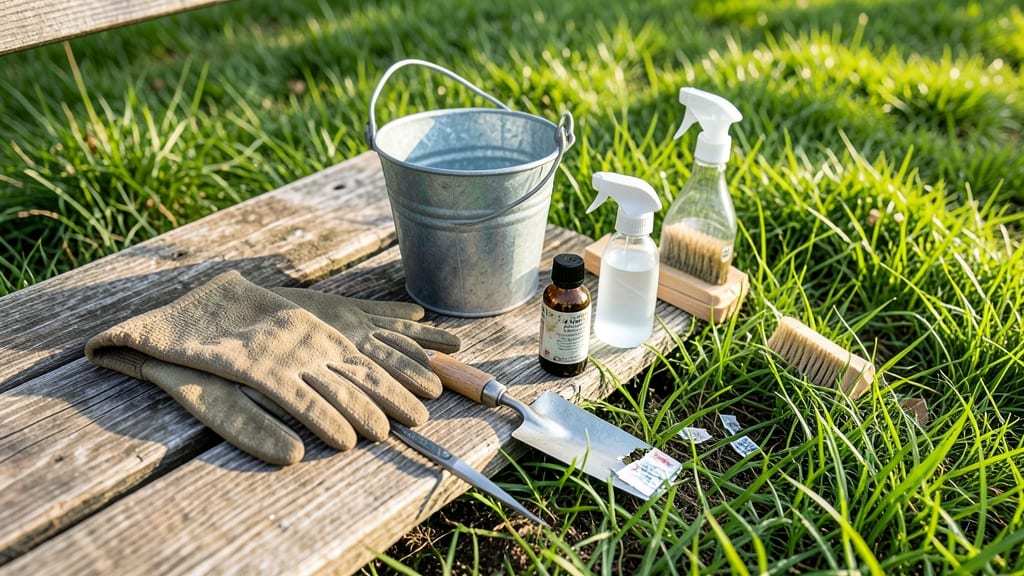
That sticky mess in your lawn—how to get rid of stickers in the lawn—isn’t just unsightly; it’s a nightmare for your grass. 🌱 I've wrestled with chewing gum, tar spots, and adhesive goo that seemed impossible to remove without tearing up the turf, but there are scrub-free solutions that work in minutes.
The key is matching the right method to the sticky substance: ice for gum, solvents for tar, and eco-friendly cleaners for adhesives. No more scrubbing, no more grass damage—just clean lawns that look like you never had the problem.
You'll be amazed at how quickly a little elbow grease (or elbow ice) can restore your yard's pride. For stubborn spots, a mix of cornmeal and dish soap works wonders without harsh chemicals.
It lifts the residue while protecting the grass, leaving you with a lawn that stays soft and green. The best part? These methods prevent future buildup, so you won't be fighting sticky battles again. Whether it's a kid's gum or a spilled adhesive, these tricks work for any sticky situation.
Let's get that lawn back to looking its best—without the mess.
📚 In This Guide
- What you need
- Instructions
- Tips and common mistakes
- Wrapping up and next steps
What you need
- ● Plastic scraper (or a credit card, butter knife, or old credit card—just avoid metal to protect your lawn!)
- ● Rubbing alcohol (70% isopropyl or higher) – 1 small bottle (4–8 oz) per session (for stubborn adhesive)
- ● Paper towels or microfiber cloths – 1–2 rolls or a pack of 10–20 sheets (for wiping residue)
- ● Garden hose with a spray nozzle (for rinsing)
- ○ Gloves (optional but recommended) – Nitrile or latex-free for sensitivity (to protect your hands)
- ● Trash bag or small bucket – For collecting sticker debris
- ● Dish soap (mild, like Dawn) – Add 1 tbsp to rubbing alcohol for extra stickiness
- ● Soft-bristle brush – For gently loosening dried adhesive
- ● Hair dryer (low heat) – To soften stubborn stickers before peeling
- ● Lawn-safe cleaner (like vinegar + water mix) – 1:1 ratio, for post-cleanup shine
Step-by-Step instructions for removing stickers from lawns
Here’s the fast, scrub-free method I’ve used to clear sticky residue from grass without damaging blades.
🪴 Step 1: Gather Your Removal Tools
You’ll need just three items: a plastic putty knife (to avoid scratching surfaces), a clean microfiber cloth (for wiping residue), and a spray bottle filled with warm water. I keep these in a small caddy so they’re always handy—no last-minute store runs needed. The putty knife’s flexible edge lifts stickers cleanly without tearing grass, while the microfiber traps sticky gunk without leaving lint behind.
If you’re dealing with large patches, add a garden hose with a gentle spray nozzle to rinse areas after peeling. Avoid pressure washers—they can damage grass roots. For stubborn adhesive, grab a small bottle of rubbing alcohol (70% or higher) to break down the glue. Test any product on a hidden grass patch first to check for discoloration.
✂️ Step 2: Peel Stickers at the Right Angle
Start by gently warming the sticker with your hands for 10-15 seconds—this softens the adhesive enough to lift cleanly. Hold the putty knife at a 45-degree angle to the sticker’s edge, then slide it under the corner. Apply light pressure and peel upward in one smooth motion. If the sticker resists, it’s not ready—let it warm a few more seconds or lightly spray with warm water to loosen the glue.
Work in small sections to avoid missing residue. You’ll know you’re doing it right when the sticker lifts in one piece, leaving behind only a faint sticky film. If you see grass blades sticking together, the adhesive is too fresh—spray with warm water and let it sit for 5 minutes before peeling. Never pull stickers straight up; that risks tearing grass or leaving adhesive behind.
💧 Step 3: Clean Residue Without Scrubbing
Dampen the microfiber cloth with warm water and wipe the area where the sticker was. The warmth helps dissolve any leftover adhesive, while the cloth’s texture lifts residue without scratching. For stubborn spots, dip the cloth in rubbing alcohol (if you prepped it) and blot gently—this breaks down the glue without harming grass. Re-wipe with a clean, damp cloth to remove any alcohol traces.
If you missed some residue, spray the area with warm water and let it sit for 2-3 minutes before wiping again. The key is patience: rushing leads to missed spots or grass damage. For large lawns, work in 3-foot squares to stay organized. You’ll see the difference immediately—the grass will look fresh and clean, not streaked or patchy.
☀️ Step 4: Prevent Future Sticker Damage
After removing stickers, water the lawn lightly to help grass recover. If you’re expecting more stickers (like after a party or event), lay down cardboard or thick paper before placing them to protect the grass. For high-traffic areas, consider artificial turf mats—they’re easy to clean and won’t tear under foot traffic. I also keep a small roll of painter’s tape handy to mark spots where stickers might go, so I can peel them off surfaces before they adhere to grass.
For long-term protection, apply a thin layer of lawn sealant in late spring or early fall. This creates a barrier that makes it easier to peel stickers later. Avoid heavy-duty sealants—they can clog grass pores. Instead, opt for a water-based formula that’s safe for lawns. Reapply every 1-2 years for best results. Your lawn will stay sticker-free and looking its best all season.
Tips & tricks for perfect lawn sticker removal
These simple tricks will make your sticker removal faster and more effective—no scrubbing required.
Tool Prep: Before you start, test your plastic putty knife on a hidden grass patch to check for sharp edges. A dull knife will tear grass instead of lifting stickers cleanly. I also recommend using a new microfiber cloth for each section—old cloths trap residue and spread it around. For stubborn stickers, keep your rubbing alcohol handy, but always test it first on a small patch to avoid discoloration.
Heat Hack: The 10-15 seconds of hand-warming in Step 2 might feel short, but it's crucial—this is the sweet spot where adhesive softens enough to lift cleanly without damaging grass. For extra-sticky stickers, hold them slightly closer to your body heat (like cupping them in your palms) for an extra 5 seconds. If the sticker still resists, a quick spray of warm water (not hot!) will help without stressing the grass.
Residue Rescue: When you see that faint sticky film after peeling, don't panic—this is normal! The key is the 2-3 minutes of warm water soak before wiping. For large patches, I use a spray bottle to mist the area first, then wipe in overlapping strokes. If residue reappears, it means you missed a spot—just repeat the warm water treatment. The microfiber cloth should never feel dry; keep it damp throughout the process.
Prevention Strategy: For future events, I keep a roll of painter's tape in my lawn care kit. I use it to mark potential sticker spots on surfaces before placing stickers—this way, I can peel them off concrete or wood first, saving my grass entirely. For high-traffic areas, artificial turf mats are a game-changer—they protect grass and make cleanup effortless. Just remember to remove them immediately after events to prevent adhesive buildup.
Pro Tips for Get Rid Of Stickers In The Lawn
- These simple tricks will make your sticker removal faster and more effective—no scrubbing required.
- Tool Prep: Before you start, test your plastic putty knife on a hidden grass patch to check for sharp edges.
- Heat Hack: The 10-15 seconds of hand-warming in Step 2 might feel short, but it's crucial—this is the sweet spot where adhesive softens enough to lift cleanly without damaging grass.
Frequently asked questions
about removing stickers from your lawn—because even the best-laid plans can get messy! Here are the answers to the most common questions to help you tackle this sticky situation with ease.Can I remove stickers from the lawn without damaging the grass?
The methods we recommend—like using warm water, vinegar, or a plastic scraper—are gentle on grass when done correctly. Avoid harsh chemicals or sharp tools that could tear blades. For stubborn stickers, a soft-bristle brush or a damp cloth works wonders while keeping your lawn lush.
How long does it take for vinegar or warm water to work?
Most stickers loosen within 5–15 minutes when soaked with warm water or vinegar. For thicker stickers, let them soak for up to 30 minutes. If you’re short on time, a plastic scraper can speed up the process—just peel gently to avoid pulling up grass. Patience is key!
Will the sun or heat help remove stickers faster?
Yes! Stickers soften more quickly in warm or sunny conditions, making them easier to peel. If you’re working in cooler weather, place a warm (not hot) towel over the sticker for a few minutes to enhance the effect. Just avoid direct heat sources like hairdryers, which can damage grass.
What if the sticker leaves a sticky residue behind?
No worries—residue is easy to clean! Wipe the area with a damp cloth dipped in rubbing alcohol or dish soap. For tough spots, a little baking soda paste (mix with water) can lift the stickiness without harming your lawn. Always rinse with water afterward to keep your grass fresh.
Are there any lawn-safe alternatives to vinegar?
If you’re concerned about vinegar’s acidity, try these gentle options:
- Dish soap + warm water (1 tsp soap per gallon of water)
- Isopropyl alcohol (70% or higher)—dab with a cloth
- Coconut oil or olive oil (for very sticky residues)
Wrapping up and next steps
Removing stickers from your lawn doesn’t have to be a messy chore—with the right tools and techniques, you can restore your grass in minutes! Whether you opt for vinegar or dish soapsteam cleaner, the key is patience and the right approach.
Don’t let leftover adhesive ruin your yard’s fresh look—tackle it head-on and enjoy a sticker-free lawn again!
Next step? Grab your supplies, pick your method, and give your lawn the clean finish it deserves! 🌱✨