
Lawn
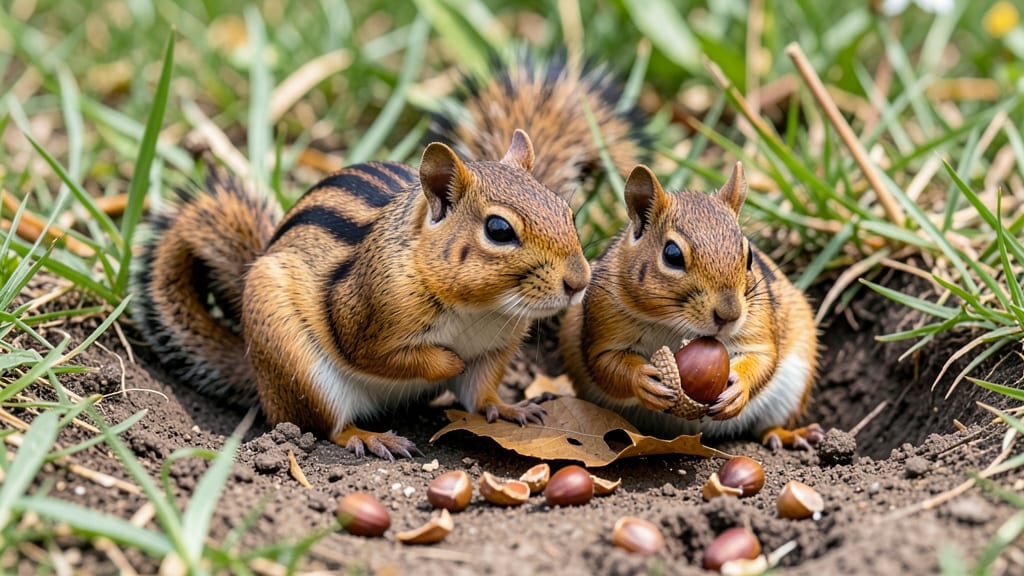
Tired of chipmunks digging up your lawn like it’s an all-you-can-eat buffet? 🌱 I’ve spent years testing humane methods to get rid of them in your yard without harming these striped troublemakers—or your yard. The key isn’t cruelty, but understanding what lures them in and cutting off their access.
Most people grab traps or poisons first, but those often backfire—chipmunks get trapped in garages, or their babies starve when mom’s gone.
Instead, focus on three proven strategies: blocking burrow entrances, removing their food sources (yes, even fallen acorns), and using scent deterrents they actually hate, like hot pepper spray or predator urine (real or synthetic).
Within a week, you’ll see fewer tunnels and more peace in your grass. The best part? These methods work for months, not just until the next rainstorm. Plus, your lawn stays intact while chipmunks relocate to a less tempting neighborhood—like your neighbor’s yard.
No more digging up bulbs or chewing wires—just a quiet lawn where the only critters digging are earthworms. Let’s get started with the tools and tricks that actually move them out for good.
Why it happens
Chipmunks may look adorable with their tiny striped backs and cheek pouches, but when they invade your lawn, they’re not just cute critters—they’re efficient foragers with specific needs driving their behavior.
Understanding why they’re there is the first step to outsmarting them. Let’s break down the science-backed reasons these busy little rodents choose your yard as their personal buffet.
🌱 Food Sources: Your Lawn as an All-You-Can-Carry Buffet
Chipmunks are omnivorous generalists, meaning they’ll eat almost anything they can scavenge—especially if it’s easy to access. Your lawn likely offers a smorgasbord without you even realizing it:
- Seeds and bulbs: Chipmunks have a natural preference for high-fat, high-protein foods, and garden seeds (like sunflower, corn, or bean seeds) are a goldmine. Even unplanted bulbs (e.g., tulips, daffodils, or crocus) are vulnerable—they’ll dig them up to eat the roots or store them in their burrows for winter.
- Fallen fruits and nuts: If your yard has fruit trees, berry bushes, or nut-bearing plants (e.g., walnuts, acorns), chipmunks will cache (hide) these foods in shallow holes to eat later. A single chipmunk can stash up to 10,000 seeds or nuts per year!
- Lawn clippings and compost: Freshly mowed grass clippings or compost piles are like fast food for chipmunks. They’re rich in nitrogen and easy to dig up.
- Pet food left outdoors: Even small amounts of dog or cat kibble left in bowls can attract chipmunks. They’re opportunistic feeders, meaning they’ll exploit any easy meal.
Actionable fix: Remove food sources by clearing seed debris, storing bulbs in wire mesh cages, and securing compost bins with tight lids. If you have pet food outdoors, feed pets indoors or use elevated, locked feeders.
🏡 Shelter and Nesting Spots: Your Yard as Their Tiny Apartment
Chipmunks need dry, sheltered spaces to build nests and escape predators. If your lawn has:
- Thick ground cover or mulch: Piles of leaves, wood chips, or dense mulch provide perfect insulation for their burrows. A single chipmunk can dig a 12-inch-deep burrow with multiple chambers in just a few days.
- Rocks or logs: These create natural hiding spots and even elevated vantage points to watch for threats. Chipmunks are nocturnal but active during dawn/dusk, so they rely on cover to feel safe.
- Undisturbed grassy areas: Tall or unkempt grass offers camouflage and easy digging. They prefer soft, loose soil (like sandy or loamy dirt) over hard clay.
Science note: Chipmunks rely on their burrows for survival. If disturbed, they’ll abandon the site—but only if they don’t find a better alternative nearby. That’s why removing shelter (like clearing mulch or rocks) can be a humane deterrent.
Actionable fix: Trim back dense vegetation, remove leaf litter, and keep mulch away from foundation edges. If you have rocks or logs, relocate them to non-lawn areas or stack them neatly to reduce hiding spots.
💧 Water Access: Your Sprinklers as Their Oasis
Chipmunks need fresh water daily, and if your lawn has:
- Birdbaths, pet water bowls, or puddles: These are prime hydration stations. Chipmunks are not strong swimmers, but they’ll drink from shallow water sources and even cache food near them for safety.
- Dewy morning grass: In dry climates, chipmunks may lick dew off blades of grass to stay hydrated.
- Irrigation systems: Drip lines or sprinklers create consistent moisture, making your lawn more attractive than drier areas.
Science note: Chipmunks prefer areas with reliable water because dehydration is a major threat. In the wild, they won’t travel far from a water source—so removing it can force them to relocate.
Actionable fix: Eliminate standing water by emptying birdbaths daily, covering pet bowls, and adjusting sprinklers to avoid overwatering. If you have a garden, water plants at the base (not overhead) to reduce surface moisture.
🌿 Lack of Natural Predators: A Chipmunk’s Safe Haven
In suburban or urban areas, chipmunks often thrive because their natural predators are scarce. In the wild, they face threats from:
- Birds of prey (hawks, owls, shrikes): These are their top predators, but they’re rare in manicured lawns.
- Snakes (garter snakes, rat snakes): Chipmunks are a primary food source for many snake species, but snakes avoid well-maintained lawns.
- Mammals (foxes, coyotes, domestic cats): These can control chipmunk populations, but urban pets (like cats) are often fed indoors, reducing their hunting instincts.
Science note: Chipmunks have excellent hearing and smell but poor eyesight. If they don’t detect predators, they’ll stay bold in your yard. Without natural checks, their populations explode.
Actionable fix: Encourage predators by:
- Installing owl or hawk perches (like a tall post with a rough texture).
- Avoiding pesticides that kill insects (which snakes and birds rely on).
- Leaving wild patches of grass or brush at the lawn’s edge for shelter.
⚠️ Warning: If you have cats, keep them indoors—even well-fed cats will hunt chipmunks, but this can lead to inhumane trapping. Instead, use humane deterrents (like repellents or exclusion methods).
Humane Ways to Remove Chipmunks
Chipmunks may be adorable, but their burrowing and snacking habits can wreak havoc on your lawn. The good news? You can safely and effectively evict these tiny troublemakers without harming them or the environment.
Below, we’ll break down practical solutions based on the root cause of your chipmunk problem—whether they’re digging, foraging, or nesting—and how to address it.
🔥 If They’re Digging Up Your Lawn
Chipmunks tunnel to store food or create nests, leaving unsightly mounds and damaging grass roots. To stop the destruction:
🍳 Block Access with Physical Barriers
- Install hardware cloth or chicken wire (¼-inch mesh) around garden beds, flower patches, or high-traffic areas. Bury it 6 inches deep to prevent digging underneath.
- Use raised garden beds with buried wire edges—this keeps chipmunks out while protecting your plants.
- Pro Tip: 💡 Avoid plastic fencing; chipmunks can chew through it!
👨🍳 Fill and Seal Their Tunnels
- Pack tunnels with wet newspaper or gravel, then tamp it down firmly. Chipmunks dislike tight, unstable spaces.
- Apply a thin layer of diatomaceous earth (food-grade only) around entry points—it’s non-toxic but deters burrowing.
⏰ Distract Them with Alternative Digging Spots
- Create a diversionary pile of loose soil or mulch in a less critical area (like a corner of your yard). Chipmunks may abandon your lawn for this easier target.
🥘 If They’re Feasting on Plants or Seeds
Chipmunks are opportunistic eaters, especially when seeds, bulbs, or young plants are involved. Here’s how to outsmart them:
🔪 Remove Food Sources
- Harvest or cover crops like corn, beans, or sunflowers when they ripen. Chipmunks can’t resist fresh seeds!
- Store birdseed in metal containers (not fabric bags) and keep compost piles tightly sealed.
- Pro Tip: 🌡️ If planting bulbs (like tulips or daffodils), use daffodil or allium bulbs—chipmunks dislike their scent!
🎯 Use Natural Repellents
- Spray peppermint oil or cayenne pepper (mixed with water) around garden edges. Reapply after rain.
- Plant chipmunk-deterring flora like lavender, marigolds, or snapdragons near vulnerable areas.
- Avoid overwatering—chipmunks seek out damp, soft soil where they can dig and hide seeds.
✨ If They’re Nesting in Your Yard
Chipmunks build nests under decks, sheds, or dense shrubs. To encourage them to relocate:
🏡 Seal Entry Points
- Inspect sheds, garages, and porches for gaps larger than ½ inch. Use steel wool or caulk to block access.
- Trim dense vegetation near structures to reduce hiding spots.
🌿 Offer Alternative Shelter
- Leave a small, undisturbed area (like a brush pile or leaf litter) in a corner of your yard. Chipmunks may move their nest there.
- Avoid disturbing nests in spring/summer—mothers may become aggressive if they feel threatened.
🔥 Humane Trapping & Relocation
If all else fails, use live traps (like Havahart models) baited with sunflower seeds or peanut butter. Check traps daily and release chipmunks at least 5 miles away in a wooded or natural area. Never relocate them near roads or urban zones!
💡 Prevention Tips for Long-Term Peace
Once you’ve evicted the chipmunks, keep them from returning with these habits:
- Mulch heavily around garden beds to discourage digging.
- Keep grass trimmed—taller grass provides cover for chipmunks.
- Regularly inspect your yard for new tunnels or food sources.
- Use motion-activated sprinklers (like ScareCrow) in problem areas—the sudden spray startles them away.
With patience and the right strategies, you can reclaim your lawn without cruelty. Chipmunks are just passing through—give them a polite but firm "not welcome" sign, and they’ll find greener (or at least less green) pastures elsewhere! 🌿
Frequently asked questions
Why do chipmunks suddenly appear in my lawn every spring?
Chipmunks emerge in spring to forage for food before breeding season. Your lawn becomes their ideal spot because it offers soft soil for digging, seeds from flowers or vegetables, and shelter in mulch or dense grass. They’re also attracted to water sources like birdbaths or dew-covered grass.
Will peppermint oil really keep chipmunks away?
Yes! Chipmunks have sensitive noses and dislike strong scents like peppermint. Mix 10-15 drops of peppermint oil with 1 cup of water and spray around garden edges, burrow entrances, and near food sources. Reapply every 3-5 days or after rain. For extra protection, plant mint or lavender nearby.
How do I safely relocate a trapped chipmunk?
Release chipmunks in a wooded or brushy area at least 5 miles away from your home. Choose a spot with natural food sources (like acorns or seeds) and shelter (logs or dense vegetation). Avoid releasing them near roads, parks, or other urban areas. Do this in the early morning when they’re most active.
Can I use diatomaceous earth to get rid of chipmunks?
Food-grade diatomaceous earth can deter chipmunks by irritating their respiratory systems, but it’s not a guaranteed solution. Sprinkle a thin layer around burrow entrances or garden beds, but avoid overapplying—it can harm beneficial insects like bees. For best results, combine it with other deterrents like peppermint oil or physical barriers.
Why do chipmunks keep coming back after I’ve tried everything?
They may be returning because your lawn still offers food, water, or shelter. Double-check for hidden food sources (like spilled birdseed or fallen fruits), ensure all burrows are sealed, and remove dense mulch or debris. Chipmunks are persistent—consistency is key! If they’re nesting, wait until late summer when young are independent before relocating.