
Fertilization
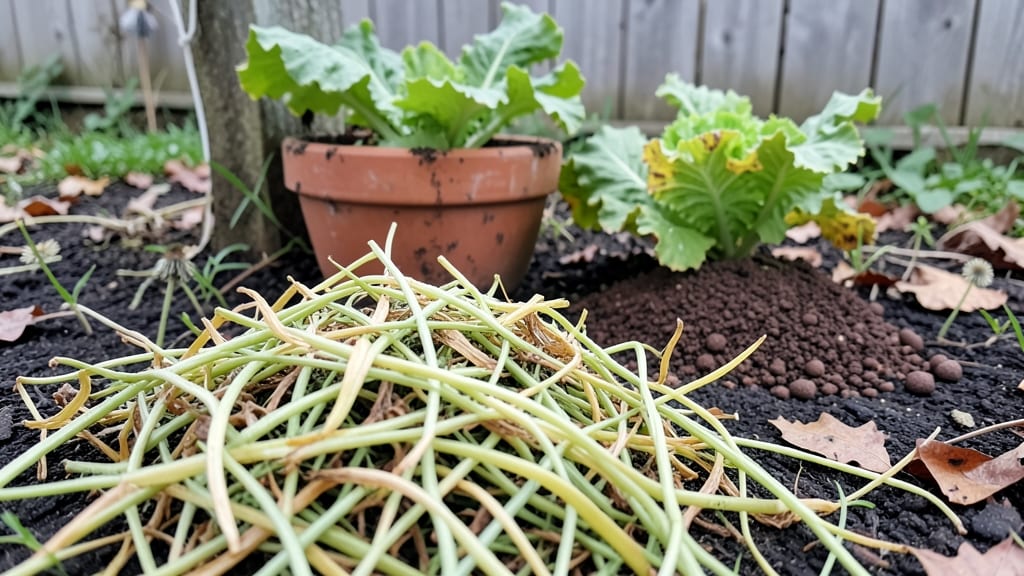
Lawn clippings as fertilizer return essential nutrients like nitrogen, phosphorus, and potassium to your soil while reducing landfill waste, but proper application is key to avoiding thatch buildup or pest issues.
Grass clippings act like a natural nutrient boost for your lawn, delivering a slow-release mix of nitrogen (2-4%), phosphorus (0.5-1%), and potassium (1-2%)—similar to a mild 5-10-5 fertilizer.
The real magic happens when they decompose, feeding soil microbes and improving texture over time. 🌱 I’ve seen lawns transform after consistently using clippings, especially when paired with proper mowing techniques like leaving them on the grass after each cut.
For best results, aim to mow when grass is dry (to avoid clumping) and keep your blade at 3-4 inches—this prevents scalping while encouraging deeper roots.
Spread clippings evenly across the lawn after mowing, and avoid using them if your grass shows signs of fungal disease, like brown patches or excessive moisture retention.
💡 In This Article
- Nutrient Breakdown: What Lawn Clippings Bring to Soil
- Best Practices for Applying Grass Clippings as Fertilizer
Nutrient breakdown: what lawn clippings bring to soil
Grass clippings deliver a nutrient trifecta that mirrors commercial fertilizers but in a more gradual, soil-friendly format. When analyzed, they contain approximately 2-4% nitrogen, 0.5-1% phosphorus, and 1-2% potassium by dry weight—similar to a 5-10-5 fertilizer ratio.
The nitrogen comes primarily from chlorophyll breakdown, while phosphorus and potassium are drawn from the soil during growth. This composition makes them particularly effective for lawns, which typically need more nitrogen than other nutrients.
The real value lies in how these nutrients are released. Unlike synthetic fertilizers that dissolve quickly, grass clippings decompose slowly, feeding soil microbes first. These microbes then break down the organic matter, converting it into forms plants can absorb over weeks or months.
This slow-release mechanism prevents nutrient runoff while maintaining steady soil fertility. Think of it like a time-release capsule for your lawn—consistent but controlled nutrition without sudden spikes.
Beyond NPK values, clippings add organic matter that improves soil structure. A study from the University of Nebraska found that regular clipping returns about 0.5-1 pound of nitrogen per 1,000 square feet annually—enough to reduce synthetic fertilizer needs by 25-50% for healthy lawns.
The organic matter also enhances water retention and aeration, creating a spongier soil that resists compaction. You’ll notice this in how grass roots grow deeper and the soil feels lighter after consistent use.
However, the nutrient profile varies based on grass type and growing conditions. Cool-season grasses like fescue tend to have slightly higher nitrogen content than warm-season grasses like Bermuda. Mowing height matters too—taller grass clippings decompose slower, releasing nutrients more gradually.
For example, clippings from grass mowed at 3 inches contain about 15% more nitrogen than those from grass cut at 1 inch, due to the higher leaf-to-stem ratio in taller growth.
What most gardeners don’t realize is how clippings stimulate microbial activity. The decomposing material feeds beneficial bacteria and fungi that break down organic matter into humus. This process creates a feedback loop: healthier microbes mean better nutrient cycling, which in turn supports stronger grass growth.
The result is a lawn ecosystem that becomes more self-sustaining over time—reducing your need for external inputs while improving resilience to drought and pests.
For comparison, a typical bag of 10-10-10 synthetic fertilizer delivers nutrients instantly but lacks the organic matter benefits. Clippings, meanwhile, provide a balanced approach: immediate micro-nutrients from decomposition plus long-term soil structure improvements.
The trade-off? You’ll need to be consistent—using clippings as a standalone fertilizer requires regular mowing and proper distribution to avoid thatch buildup.
Here’s the bottom line: Grass clippings aren’t just free fertilizer—they’re a complete soil amendment that works in harmony with your lawn’s natural cycles. When used correctly, they can cut your fertilizer costs while creating a healthier, more sustainable growing environment. 🌱