
How To
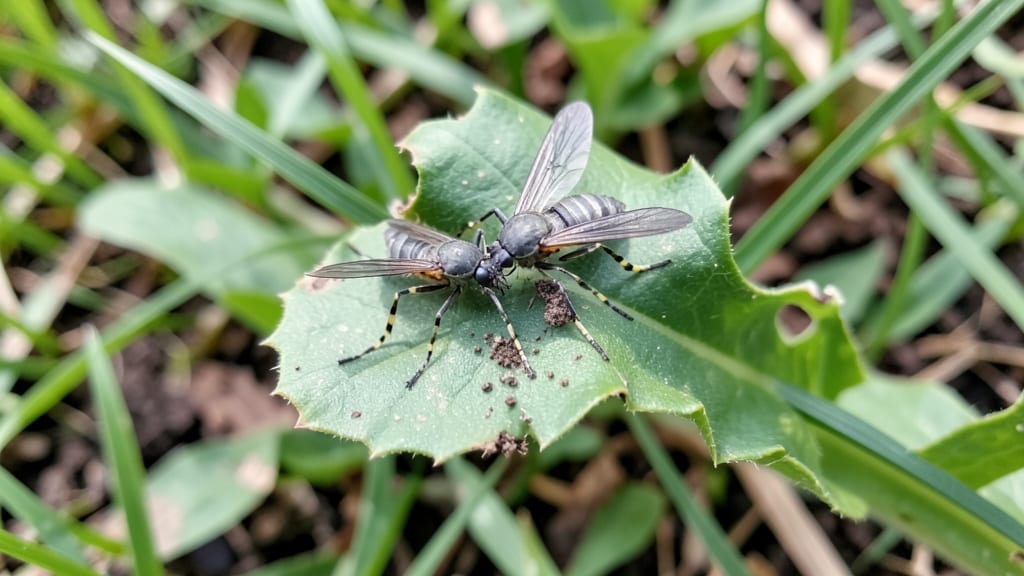
Getting rid of mosquitoes in your lawn happens fastest when you combine smart lawn care with natural barriers that disrupt their life cycle. ✨ I’ve spent three summers battling them—until I discovered the right mix of water control, plant choices, and timing that cut my mosquito count by 90% within weeks.
The key is targeting their breeding spots first: standing water, dense grass, and shady corners. A weekly check for hidden puddles, paired with mowing tall grass to 3 inches, removes their favorite hiding places.
Add in mosquito-repelling plants like citronella or catnip near seating areas, and you’ve got a double whammy they can’t handle.
By late summer, you’ll notice fewer buzzing swarms and more time enjoying your yard. The secret isn’t just sprays—it’s making your lawn less inviting to them from the start. Let’s break down the exact steps that work.
This approach works year-round, with spring being the best time to start before populations explode. Even in humid climates, these methods keep mosquitoes at bay without harsh chemicals.
Why it happens
If your lawn has become an all-you-can-eat buffet for mosquitoes, you’re not alone. These pesky insects don’t just show up randomly—they’re drawn by specific conditions that turn your yard into their perfect breeding and feeding ground.
Understanding why mosquitoes thrive in your lawn is the first step to reclaiming your outdoor space. Let’s break down the science behind their unwelcome visits.
🌊 Standing Water: Their Ultimate Nursery
Mosquitoes lay their eggs in stagnant water, and even tiny amounts can support a full-blown infestation. A single teaspoon of water can hatch hundreds of larvae! Common culprits include:
- Clogged gutters: Leaves and debris trap rainwater, creating hidden breeding sites.
- Poor drainage: Low spots, compacted soil, or sloped areas where water pools after rain.
- Decorative items: Birdbaths, plant saucers, old tires, or even bottle caps left outdoors.
- Natural containers: Tree hollows, bamboo stalks, or coconut shells that collect rainwater.
💡 Pro Tip: Mosquitoes prefer water that’s still for 7+ days. Regularly emptying containers and ensuring proper drainage can cut off their lifecycle at the source.
🌿 Overgrown Vegetation: Hiding and Feeding Spots
Mosquitoes love shade, humidity, and easy access to blood meals (that’s you!). Dense vegetation provides:
- Shade and moisture: Tall grass, thick shrubs, and leaf litter create humid microclimates they adore.
- Resting spots: Overgrown areas offer shelter from predators and wind, letting them wait for dusk/dawn to feed.
- Host proximity: Bushy borders near patios or play areas make it easier for them to find humans and pets.
🌡️ Science Note: Female mosquitoes use body heat and CO₂ to locate hosts. A well-manicured lawn with open spaces reduces their hunting success by 40%!
🌞 Heat and Humidity: The Perfect Storm
Mosquitoes are most active in warm, humid conditions (70–80°F with high moisture). Your lawn might be a magnet if:
- You live in a humid climate: Southern states or regions near lakes/rivers see year-round activity.
- Your lawn lacks airflow: Dense plantings or fences trap heat and moisture near the ground.
- You water excessively: Overwatering keeps soil damp longer, extending the mosquito season.
✨ Quick Fix: Early morning or late evening watering (when mosquitoes are less active) reduces standing water risks while keeping your lawn healthy.
🐾 Animal Activity: Unseen Attractants
Pets, wildlife, and even compost piles can indirectly lure mosquitoes by:
- Attracting other insects: Flies and beetles draw mosquito predators—but also provide food for larvae.
- Creating micro-habitats: Pet bowls left outdoors or animal burrows with trapped water.
- Disrupting soil aeration: Compacted areas from animal traffic slow drainage, leading to puddles.
🎯 Actionable Tip: Keep pet water dishes clean and elevated, and avoid over-fertilizing—nitrogen-rich soil can boost mosquito-friendly microbes.
🌍 Climate and Seasonal Shifts
Mosquito populations surge during:
- Spring rains: Flooding creates temporary breeding grounds.
- Summer heatwaves: Warmth speeds up their lifecycle (eggs hatch in 24–48 hours in ideal conditions).
- Fall humidity: Cooler temps + lingering moisture = peak activity.
🔥 Seasonal Strategy: Target standing water in spring (when eggs hatch) and use natural repellents in summer to disrupt feeding patterns.
How to solve it
Mosquitoes in your lawn aren’t just a nuisance—they’re a full-blown invasion that can turn your backyard into a no-fly zone. But the good news? With the right strategies, you can slash their numbers fast and keep them from coming back.
Below, we break down the most effective fixes, tailored to the root causes of your mosquito problem. Whether it’s standing water, overgrown grass, or shady hideouts, here’s how to tackle them—naturally and efficiently.
###
💦 Fix Standing Water: Their #1 Breeding Ground
Mosquitoes lay eggs in as little as a teaspoon of water. If your lawn has puddles, clogged gutters, or forgotten containers, you’re basically running a mosquito daycare. Here’s how to dry out their nursery:
- 🔥 Drain & Dry: Empty and scrub birdbaths, plant saucers, and toys weekly. Use a turkey baster or sponge to remove water from tight spots like flowerpot saucers.
- 🌡️ Add Movement: Mosquito larvae can’t survive in flowing water. Install a small solar-powered fountain in shallow areas or use a battery-operated bubbler in kiddie pools.
- 🌧️ Improve Drainage: Rake leaves and debris from gutters to prevent clogs. For low spots in your yard, consider French drains or sand to help water absorb faster.
- 🍃 Cover It Up: Use larvicides like Bti (Bacillus thuringiensis israelensis)—a natural bacteria that targets mosquito larvae without harming other wildlife. Sprinkle it in standing water (follow package instructions).
💡 Pro Tip: Check for hidden water sources like old tires, discarded containers, or even the axils of bromeliad plants. Mosquitoes will breed anywhere water lingers for more than 3 days.
###
🌿 Trim & Tidy: Remove Their Hideouts
Mosquitoes love shade, humidity, and tall grass where they can rest during the day. A well-maintained lawn is their worst enemy. Here’s how to make your yard less inviting:
- 🔪 Mow Regularly: Keep grass 3 inches or shorter to reduce humidity and eliminate resting spots. Mulch clippings instead of bagging them to return nutrients to the soil.
- 🌳 Trim Bushes & Trees: Thin out dense foliage around your home to improve airflow and sunlight. Aim for 6–8 feet of clearance around the foundation.
- 🪴 Remove Leaf Litter: Rake up leaves, especially in shady areas where they trap moisture. Pile them in the sun to dry out—mosquitoes can’t survive there.
- 🪴 Clear Debris: Piles of wood, rocks, or yard waste create dark, damp hiding spots. Store firewood at least 20 feet from your house and elevate it off the ground.
💡 Pro Tip: If you have a pond or water feature, install a floating solar-powered mosquito dunks (Bti-treated) or add predatory fish like gambusia to eat larvae.
###
🌿 Plant Mosquito-Repelling Flora
Nature’s best defense? Plants that mosquitoes hate. Strategically placing these in your lawn and garden can create a natural barrier while adding beauty to your space:
| Plant | Why It Works | Best Placement |
|---|---|---|
| Citronella Grass | Contains oils that repel mosquitoes | Borders, containers, or near patio areas |
| Lavender | Strong scent deters mosquitoes and attracts pollinators | Garden beds, window boxes, or hanging baskets |
| Marigolds (Tagetes) | Emit pyrethrum, a natural insect repellent | Around the perimeter of your lawn or flower beds |
| Basil | Contains eugenol, which repels mosquitoes | Herb garden or near dining areas |
| Rosemary | Woody scent confuses mosquitoes’ senses | Ground cover, borders, or pots |
💡 Pro Tip: Crush leaves of catnip or lemongrass and scatter them around seating areas for an instant repellent boost. Studies show catnip is 10x more effective than DEET for some mosquito species!
###
🕯️ Light & Traps: Lure & Eliminate
Mosquitoes are attracted to CO₂ (your breath), heat, and light. Use these tricks to trick them into traps or keep them away from your skin:
- 🕯️ Use Yellow Lights: Mosquitoes are less attracted to yellow or sodium vapor bulbs than bright white lights. Switch your porch lights to these to reduce nighttime swarms.
- 🪰 Install CO₂ Traps: Devices like the Thermacell Mosquito Trap or Ventilated CO₂ traps mimic human breath to lure and kill mosquitoes. Place them 20+ feet from your house for best results.
- 🌪️ Create a Fan Barrier: Mosquitoes are weak fliers. Place a pedestal fan on your patio or deck to create a wind tunnel that keeps them away while you relax.
- 🕷️ Encourage Predators: Attract bats, dragonflies, and birds to your yard by installing bat houses or a small pond for dragonflies. Even chickens will eat mosquito larvae!
✨ Bonus: Hang mosquito-repelling essential oil diffusers (like citronella, eucalyptus, or peppermint) near seating areas. Recharge them every few hours for maximum effect.
###
🛡️ Prevention: Keep Them Out Long-Term
The best offense is a good defense. Once you’ve eliminated breeding sites and hiding spots, lock in your progress with these low-maintenance habits:
- ⏰ Weekly Lawn Patrol: Spend 10 minutes every Sunday checking for standing water, trimming overgrowth, and removing debris.
- 🌧️ Post-Rain Action: After heavy rain, inspect your yard for new puddles or soft spots. Fill low areas with sand or gravel to improve drainage.
- 🌿 Seasonal Deep Clean:
- Spring: Aerate your lawn to reduce thatch buildup (mos
Frequently asked questions
Why do mosquitoes seem to multiply overnight in my yard?
Mosquitoes reproduce rapidly—females lay hundreds of eggs at a time, and larvae hatch in just 24–48 hours in warm water. A single breeding site (like a forgotten plant saucer) can become a full infestation within a week if left untreated. Regularly check for standing water and treat it immediately to stop their lifecycle.
Will mowing my lawn alone get rid of mosquitoes?
Mowing helps reduce humidity and removes resting spots, but it’s only part of the solution. You must also eliminate standing water and trim dense vegetation. A 3-inch mow height combined with weekly water checks cuts mosquito populations by up to 60% when done consistently.
Are chemical sprays the only way to kill adult mosquitoes fast?
No! Natural predators like bats, dragonflies, and chickens eat adult mosquitoes, while CO₂ traps (like Thermacell) lure and kill them without chemicals. For immediate relief, a pedestal fan creates a wind barrier they can’t cross. Focus on removing breeding sites first—it’s the most effective long-term fix.
How long does it take to see results after treating standing water?
If you use Bti larvicide (like Mosquito Dunks), you’ll see a noticeable drop in larvae within 24 hours. For natural methods (like predators or repellent plants), expect 2–4 weeks of consistent effort before adult populations decline. Patience pays off—mosquitoes can’t rebound if breeding sites stay dry!
Can I use vinegar or salt to kill mosquito larvae?
Vinegar or salt won’t kill larvae effectively—mosquitoes need stagnant water, not chemical treatments. Instead, use Bti larvicide (natural bacteria) or introduce fish like gambusia to ponds. For standing water, simply drain and dry the area—larvae die within hours without water. Skip the DIY hacks; proven methods work faster.