
Watering
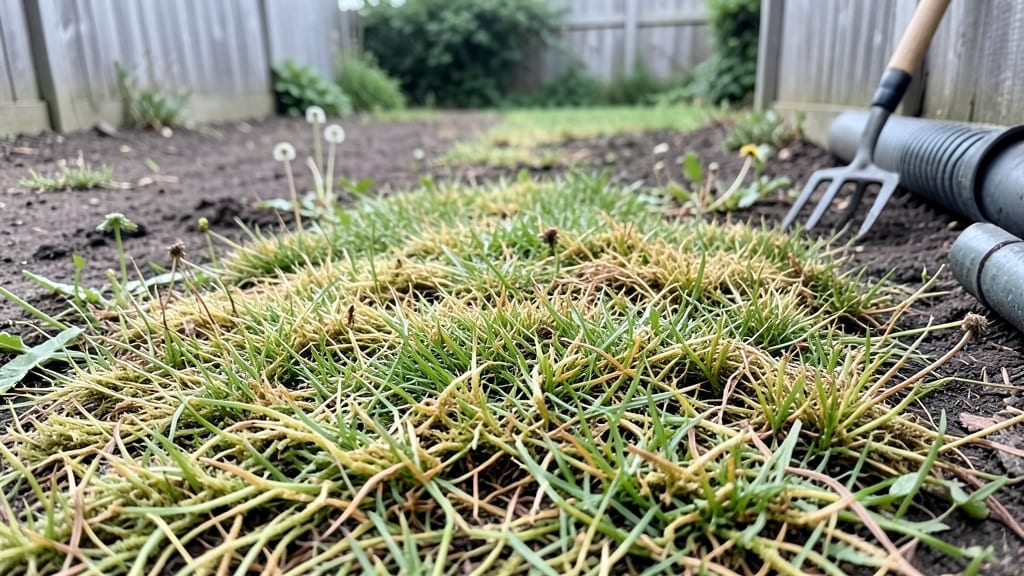
Learn how to fix overwatered sod before your lawn turns into a soggy mess—mushrooms sprouting, grass turning spongy, and roots gasping for air. 🌱 I’ve seen this happen after weeks of rain or overzealous sprinkler schedules, and the good news?
You can turn things around faster than you think. The key is acting fast to drain excess water, loosen compacted soil, and give those roots a fighting chance to breathe again.
First, stop watering immediately—this isn’t the time for more moisture. Instead, use a garden fork to poke holes every 6 inches across the lawn to help water drain. If your yard has low spots, consider a shallow trench or French drain to redirect water away from the sod.
Within hours, you’ll notice the surface firming up, and within a day, the grass will start to perk up noticeably.
Once the water’s gone, it’s time to aerate—this opens up the soil so oxygen can reach the roots and helps them recover. Rent a core aerator or use a manual spike aerator if you’re working with a small area.
Follow up with a light layer of compost or topsoil to encourage new root growth. By the end of the day, your lawn will look less like a swamp and more like a lawn again.
To keep this from happening again, check soil moisture with your finger before watering—if the top 2 inches are damp, wait. And consider installing a rain sensor on your sprinkler system if you’re prone to forgetting. Trust me, your lawn will thank you for the break from the soggy cycle.
Root Causes Of Soggy Sod
Overwatered sod isn’t just a minor inconvenience—it’s a grass-killing problem disguised as care. When water accumulates faster than soil can drain, roots suffocate, nutrients leach away, and fungal diseases move in like uninvited guests.
But why does this happen in the first place? Let’s break down the science (and the mistakes) behind soggy lawns.
🌧️ Poor drainage systems
Soil isn’t just dirt—it’s a living ecosystem with tiny air pockets, organic matter, and microbial highways. When these pathways get clogged, water pools instead of percolating downward. Here’s what blocks the flow:
- Compacted Soil: Heavy foot traffic, machinery, or even natural settling crushes soil particles, reducing pore space by up to 50%. Think of it like a sponge squeezed dry—water can’t escape.
- Clay-Heavy Soil: Clay particles stick together like wet cardboard, forming a hydrophobic barrier that repels water. Even a light rain can turn your lawn into a swamp.
- Improper Grading: If your yard slopes toward the house or doesn’t have a slight incline (1–2% grade), water pools in low spots like a bathtub. Pro tip: A 6-inch drop over 10 feet is ideal for drainage.
Science alert: The U.S. Department of Agriculture (USDA) warns that waterlogged soil can reduce oxygen levels to <10%—roots need 15–20% to survive. Below that? Roots drown.
⏳ Overzealous watering habits
You’d think more water = happier grass, but sod has a thirst limit. Here’s how good intentions backfire:
- Daily Light Watering: Frequent shallow watering (e.g., 5 minutes/day) trains grass to grow shallow roots. When you finally do water deeply, the soil can’t absorb it fast enough—leading to runoff and puddles.
- Ignoring Weather Forecasts: Watering on rainy days or after storms doubles moisture levels. A general rule: 1 inch of water per week (including rain) is enough for most sod.
- Sprinkler Misalignment: Overlapping sprinkler heads or incorrect pressure create water domes that soak one spot while leaving others dry. 💡 Fix: Adjust heads to spray 30–40% overlap for even coverage.
Fun fact: Turfgrass roots only need to extend 4–6 inches deep for stability. If they’re constantly wet, they rot instead of growing.
🌱 New sod struggles
Freshly laid sod is like a thirsty sponge—it needs 1–1.5 inches of water daily for the first 2 weeks to establish roots. But push too hard, and you’ll drown it before it takes hold. Common pitfalls:
- Inconsistent Watering: Skipping days then flooding the sod creates uneven moisture zones. Roots need steady hydration, not a rollercoaster.
- Wrong Watering Time: Watering at dusk or dawn traps moisture on leaves, promoting fungal diseases like brown patch. Aim for early morning (6–10 AM).
- No Root Zone Prep: Laying sod on bare soil without loosening the top 2–3 inches means water pools at the sod-soil interface, starving roots of oxygen.
Key stat: Sod roots take 7–14 days to penetrate 1 inch. If the soil stays soggy, roots won’t grow—they’ll rot.
🌪️ Environmental factors
Not all soggy sod is your fault—Mother Nature plays a role too. Watch for these red flags:
- Heavy or Prolonged Rain: More than 1.5 inches in 24 hours can overwhelm even well-drained soil. Clay soils may stay waterlogged for days.
- High Humidity + Poor Airflow: Thick grass or dense foliage traps moisture, creating a greenhouse effect that slows evaporation.
- Frozen or Waterlogged Subsoil: If the layer below 6 inches is impermeable (like hardpan), water has nowhere to go.
Pro move: After heavy rain, walk your lawn. If your footprints stay for more than 15 minutes, you’ve got drainage trouble.
Quick Fixes for Waterlogged Grass
Overwatered sod can feel like a disaster, but with the right steps, you can turn things around fast. The key is acting quickly to prevent root rot, fungal growth, and long-term damage.
Below are targeted solutions based on the most common causes of overwatering—and how to reverse them before it’s too late.
💦 If Your Sod Is Soggy from Heavy Rain or Poor Drainage
Fix: Improve water flow and let excess moisture escape.
- 🔥 Drainage First: Dig Deeper Use a shovel or garden fork to create shallow trenches (2–3 inches deep) around the edges of your lawn. Angle them slightly downward to redirect water away from the sod. For clay-heavy soil, add sand or perlite to the trenches to speed up drainage.
- 🍳 Aerate to Break Up Compacted Soil Rent a core aerator (or hire a pro) to pull small plugs from the lawn. This opens up soil pores, helping water drain faster. Do this when the sod is slightly damp—not bone-dry or waterlogged.
- 👨🍳 Raise Low Spots If water pools in certain areas, mound soil (or a mix of soil and compost) to elevate them. Avoid heavy foot traffic until the area dries out.
💡 Prevention Tip: Install French drains or swales (shallow ditches) in problem areas to catch excess water before it soaks into the sod.
🚿 If You Overwatered by Mistake (Too Much, Too Often)
Fix: Stop watering immediately and let the sod recover.
- ⏰ Pause Watering Until Soil Dries Walk on the lawn—if it feels squishy, wait 24–48 hours before watering again. Use a moisture meter to check depth (ideal: 3–4 inches down should be dry).
- 🌡️ Boost Airflow to Dry Faster Mow the lawn (if possible) to improve air circulation. If humidity is high, use a fan on low setting overnight to speed up evaporation.
- 🎯 Lightly Rake for Even Drying Gently rake the sod to break up waterlogged surface layers. Avoid deep raking, which can damage roots.
🔥 Pro Tip: If your sprinkler system is the culprit, adjust the timer to water early morning (4–8 AM) when evaporation is highest, and limit sessions to ½–¾ inch per week (including rain).
🍄 If Fungus or Mold Appears (White, Black, or Pink Spots)
Fix: Treat the infection and adjust watering habits.
- 🔪 Remove Affected Patches Dig up severely moldy sod and dispose of it in a sealed bag. Do not compost it—fungus spores can spread.
- 💪 Apply Fungicide (If Needed) For persistent issues, use a copper-based fungicide or a baking soda spray (1 tbsp baking soda + 1 quart water + a drop of dish soap). Reapply every 7–10 days until spots disappear.
- 🥗 Adjust Watering Schedule Water deeply but infrequently (1–1.5 inches per week) to discourage fungal growth. Avoid evening watering, which keeps grass damp overnight.
✨ Prevention Tip: Spread compost or sand over the lawn to improve soil structure and reduce moisture retention.
🌱 If Roots Are Suffocating (Yellowing or Spongy Sod)
Fix: Revive roots with oxygen and proper hydration.
- 🍳 Core Aeration + Top Dressing Aerate the lawn, then spread a ¼-inch layer of compost or peat moss to help roots breathe. Lightly rake it in.
- 💦 Water Deeply but Less Often Once the soil dries, water deeply (6–8 inches down) 2–3 times per week instead of daily shallow watering. This encourages roots to grow deeper.
- 🔥 Fertilize Lightly (If Needed) Use a low-nitrogen, high-potassium fertilizer (like 5-10-10) to strengthen roots. Avoid high-nitrogen fertilizers, which promote leafy growth but weaken roots in waterlogged soil.
🎯 Long-Term Fix: Plant deep-rooted grasses like tall fescue or Kentucky bluegrass, which handle moisture better than shallow-rooted varieties.
Remember: Overwatered sod recovers faster with proactive drainage and smart watering habits. Act within 24–48 hours to prevent permanent damage, and your lawn will bounce back stronger than ever!
Frequently asked questions about soggy lawn recovery
How quickly can I fix overwatered sod?
With immediate action, you can see improvement within 24 hours. Start by stopping all watering and using a garden fork to poke 6-inch-deep holes every 12 inches to release trapped moisture. Aerate the lawn the next day to help roots breathe. Most lawns show noticeable recovery in 3–5 days if fungal issues haven't taken hold.
What are the first signs my sod is overwatered?
Watch for spongy grass that springs back slowly when stepped on, mushroom growth (a red flag for excess moisture), or yellowing patches with a foul smell. If your lawn stays soggy for more than 48 hours after rain, that's another clear warning sign. Pro tip: Press your finger 2 inches deep—if it feels cold and mushy, your sod is drowning.
Can I still save my lawn if mushrooms appear?
Yes, but act fast! Remove any visible mushrooms and their root bases with a trowel. Improve drainage immediately by aerating and adding sand or compost to affected areas. For stubborn cases, apply a copper fungicide or mix 1 tablespoon baking soda per gallon of water and spray lightly. The key is drying out the soil—mushrooms thrive in 90%+ moisture.
How do I prevent future overwatering?
Start by checking soil moisture with your finger before watering—if the top 2 inches feel damp, wait. Install a rain sensor on your sprinkler system to automatically pause during rain. Water deeply (6–8 inches) 2–3 times per week instead of daily light sessions. For clay soil, mix in 1–2 inches of sand or perlite annually to improve drainage.
Will my sprinkler system cause this if I adjust the timer?
Not necessarily—but improper settings can still overwater. Set your system to deliver ½–¾ inch per week (including rain) and water between 4–8 AM when evaporation is highest. Check for overlapping spray patterns that create soggy hotspots. A smart sprinkler controller can automatically adjust based on weather forecasts, saving you time and your lawn.