
Watering
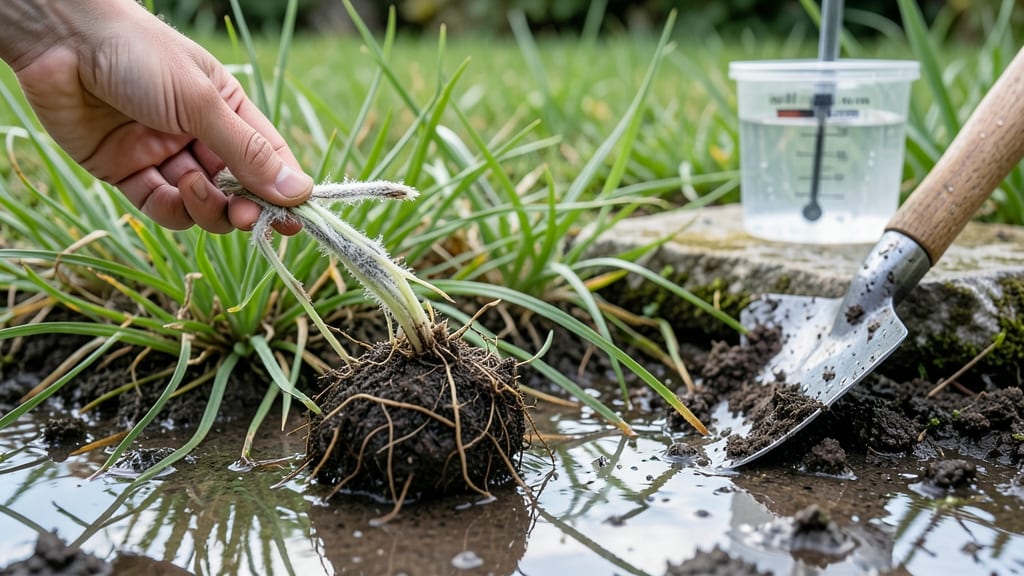
Those signs of an overwatered lawn—like yellowing patches that refuse to bounce back—are a common problem after too much watering.
That’s the classic sign of overwatering—something I’ve seen too many times after my own well-meaning but overzealous watering sessions. 🌱 The problem isn’t just thirsty grass; it’s the hidden damage lurking beneath the surface where roots suffocate and fungi move in.
Start by testing your soil: press your finger an inch down—if it feels damp, you’re overdoing it. Look for spongy spots when you walk (that’s compacted, waterlogged soil) and check for mushrooms popping up like bad surprises.
Even the healthiest lawns turn into soggy messes when water pools instead of draining.
Fix it fast by reducing watering to 1 inch per week (including rain) and aerating to let oxygen back in. For stubborn spots, a core aerator or even a shovel can break up compacted soil. The payoff? Grass that stops yellowing and starts growing deep, strong roots again.
Long-term, upgrade to a rain sensor or smart sprinkler system—these adjust automatically for weather. And here’s the secret weapon: a simple soil test every few years. Knowing your soil’s drainage tells you exactly how much water to give (or withhold) for good.
The Hidden Causes Behind Soggy Grass
Overwatering your lawn might seem like a harmless habit—after all, who doesn’t love a lush, green carpet? But when water overwhelms grass roots, the results can be disastrous. Understanding the root causes (literally!) of overwatered lawns helps you fix the problem before it’s too late.
Let’s break down the science behind why this happens and what triggers it.
---
Grass thrives on consistency, but too much water too frequently disrupts its natural balance. Most lawns only need 1 to 1.5 inches of water per week, including rainfall. When you exceed this—whether through automatic sprinklers, manual watering, or a mix of both—roots suffocate in saturated soil.
- Automatic timers on overdrive: Many homeowners set sprinklers to run daily, assuming more water equals healthier grass.
But grass roots need oxygen, and constant moisture starves them. - Short, frequent waterings: Light sprinkles that don’t penetrate deep encourage shallow root growth, making grass dependent on frequent watering. - Ignoring weather conditions: Rainy days + extra watering = double the damage.
A simple rain gauge or soil moisture sensor can prevent this.
Pro Tip: 🌡️ Check soil moisture before watering—stick your finger 2-3 inches deep. If it’s damp, skip the sprinkler.
---
Not all soil is created equal. Clay-heavy or compacted soil acts like a sponge, holding onto water instead of letting it drain. When excess water pools around roots, it displaces oxygen and nutrients, leading to anaerobic conditions—a grass root’s worst nightmare.
- Clay soil: Particles pack tightly, blocking water flow.
Even a light rain can leave your lawn soggy for days. - Compacted soil: Heavy foot traffic, construction, or machinery can crush soil, reducing pore space for drainage. - Low-lying areas: Natural dips in your yard collect water like a bowl, creating permanent wet spots.
Fix It: 🔧 Aerate your lawn in fall or spring to break up compacted soil. Top-dress with sand or compost to improve drainage.
---
Mother Nature plays a big role in lawn watering woes. Heavy rainfall, poor yard grading, or even shade can turn your watering routine into a disaster.
- Prolonged rain: A week of downpours can saturate soil faster than your lawn can recover. Adjust watering schedules during rainy periods. - Slope and grading: If your yard slopes toward the house, water pools instead of draining away. Regrade problem areas to direct water flow. - Thatch buildup: A thick thatch layer (dead grass and roots) blocks water from seeping into the soil, trapping moisture at the surface.
Quick Check: ⏱️ Do the "percolation test"—dig a small hole, fill it with water, and time how long it takes to drain. If it’s slower than 2 hours, drainage is an issue.
--- Sometimes, the problem isn’t you—it’s your tools. Sprinkler systems, hoses, or even misjudged watering habits can lead to overwatering without you realizing it.
- Broken or misaligned sprinklers: A leaky sprinkler head or one angled toward a flower bed can waste hundreds of gallons weekly. - Overlapping sprinkler zones: If sprinklers overlap, some areas get double the water while others dry out. - Running sprinklers at the wrong time: Watering in the late afternoon or evening leads to fungal growth and wasted evaporation.
Prevent It: 🔍 Inspect sprinkler heads monthly for clogs or leaks. Use a sprinkler mapping tool to ensure even coverage.
--- Not all grass loves the same amount of water. Cool-season grasses (like Kentucky bluegrass) need more moisture than drought-tolerant warm-season grasses (like Bermuda). Planting the wrong type for your climate can lead to chronic overwatering.
- High-maintenance grasses: Varieties like fescue or ryegrass require frequent watering but struggle in hot, dry climates. - Shade vs. sun exposure: Shady lawns dry out slower than sunny ones, needing less water to avoid sogginess.
Solution: 🌱 Choose native or drought-resistant grasses if you’re in a dry region. Adjust watering based on your grass type’s needs.
--- Overwatering isn’t just about "too much water"—it’s a mix of poor timing, soil issues, equipment problems, and grass type. By identifying the specific cause in your yard, you can cut back on water, improve drainage, and revive your lawn before it’s too late.
Next up: How to Revive an Overwatered Lawn—stay tuned!
Fixing your soggy grass grounds
Now that you’ve spotted the telltale signs of overwatered grass—from yellowing blades to that dreaded mushy feel—it’s time to turn things around. The good news? Most overwatering issues are reversible with the right steps.
Below, we’ll match common causes to practical fixes, plus tips to keep your lawn thriving without drowning it.
---
Cause: Heavy, infrequent watering (e.g., 1-inch+ in a single session) or poor drainage. Fix: - 🔪 Aerate aggressively – Rent a core aerator to punch holes (3–4 inches deep) every 3–6 months. This helps water and air circulate, preventing compaction. - 🚰 Improve drainage – If your yard floods after rain, consider: - Sand topdressing: Mix coarse sand (1 part) with soil (2 parts) and spread ¼-inch thick over the lawn. Rake in gently. - French drains: Install underground pipes in low spots to redirect excess water. - Slope adjustments: For severe cases, consult a landscaper to reshape the grade slightly (1–2% slope away from your home).
💡 Pro Tip: Water early in the morning (4–8 AM) to reduce evaporation and fungal risks. Split sessions into 2–3 shorter bursts (e.g., 10 minutes each) if your soil drains slowly.
---
Cause: Frequent heavy foot traffic, construction, or clay-heavy soil trapping moisture. Fix: - 👨🍳 Manual aeration – Use a garden fork to stab the soil in a grid pattern (6 inches apart). Focus on high-traffic areas first. - 🌱 Add organic matter – Spread compost or peat moss (¼-inch layer) and lightly rake into the top ½ inch. This improves porosity and microbial activity. - 🔄 Reduce compaction – Limit walking on wet grass. Use stepping stones or boards to create paths.
✨ Bonus: Overseed bare spots with drought-tolerant grass (like tall fescue or buffalo grass) once the soil dries.
---
Cause: Overwatering creates the perfect humid environment for dollar spot, brown patch, or slime mold. Fix: - ⏰ Water less frequently – Aim for 1–1.5 inches per week (including rain). Use a rain gauge or tuna can to measure. - 🌡️ Boost airflow – Trim grass to 2.5–3.5 inches tall and thin out dense shrubs around the lawn’s edge. - 🧴 Fungal treatments – For stubborn spots: - Baking soda spray: Mix 1 tbsp baking soda + 1 gallon water + a few drops of dish soap. Spray affected areas (safe for most lawns). - Neem oil or copper fungicide: Follow label instructions for severe infections.
🎯 Prevention: Water deeply but infrequently—encourages roots to grow downward, making grass more resilient.
---
Cause: Thatch (layer of dead grass/stems) thicker than ½ inch traps moisture, suffocating roots. Fix: - 🔪 Dethatch – Rent a vertical mower or dethatching rake and go over the lawn when soil is dry. Set the mower blades to ¼–½ inch to avoid scalping. - 🌱 Overseed after – Sprinkle high-quality seed (match your grass type) and top with a thin layer of compost. - 🚫 Skip the nitrogen – If thatch is >1 inch, hold off on fertilizer until you’ve dethatched. Too much N feeds weeds and fungi.
💡 Pro Tip: Test your soil’s pH (ideal: 6.0–7.0). Overwatering often pairs with low pH—add lime if needed to balance it.
--- Once your lawn recovers, prevent overwatering with these habits: - 📊 Check soil moisture – Stick a screwdriver in the ground. If it goes in easily (6 inches deep), skip watering. - 💧 Upgrade your sprinklers – Misaligned heads waste water.
Adjust nozzles to avoid runoff and use smart controllers with rain sensors. - 🌿 Choose native grasses – Species like Kentucky bluegrass or zoysia handle moisture better than thirsty hybrids.
--- Remember: Recovery takes 2–4 weeks of consistent care. Stay patient—your lawn will bounce back stronger than ever! 🌱💦
Frequently asked questions
Why does my grass turn yellow after watering instead of green?
Yellowing grass after watering is a classic sign of overwatering. When roots suffocate from too much moisture, they can't absorb nutrients properly, causing blades to turn yellow or pale green. This often happens when soil stays soggy for more than 48 hours—check by pressing your finger 2-3 inches deep. If it feels damp, you're overwatering.
Can overwatered lawns recover, or is the damage permanent?
Most overwatered lawns can recover with proper care! The key is reducing water immediately and improving drainage. Aerate compacted soil, overseed bare patches, and adjust your watering schedule to 1 inch per week (including rain). With consistent effort, grass typically bounces back in 2-4 weeks. Severe cases may need professional soil testing for long-term fixes.
How can I tell if my lawn needs less water or more?
Use the screwdriver test: Push a screwdriver 6 inches deep. If it goes in easily, your lawn has enough moisture. If it pops out or feels dry, water lightly. For overwatered lawns, look for spongy spots when walking—this means roots are drowning. Healthy grass should spring back when stepped on, not leave footprints.
Will stopping watering immediately fix an overwatered lawn?
Not quite—suddenly stopping water can shock stressed grass. Instead, reduce to 1 inch per week and improve drainage first. Aerate compacted soil and consider a sand topdressing to help water absorb properly. Overwatered lawns need gradual recovery, not abrupt changes. Monitor for fungal growth (like mushrooms) and adjust as needed.
Are there any quick fixes for fungal growth from overwatering?
Yes! For minor fungal issues, mix 1 tablespoon baking soda + 1 gallon water + a few drops of dish soap and spray affected areas. For severe cases, use neem oil or copper fungicide following label instructions. Boost airflow by trimming grass to 2.5-3.5 inches and avoid evening watering—fungi thrive in damp, shady conditions.