
Lawn
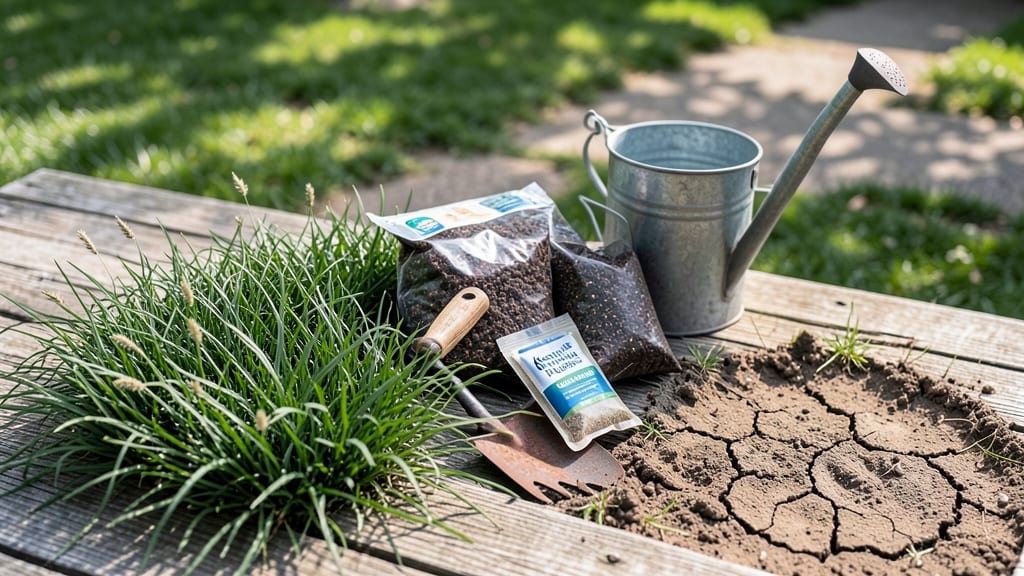
Your lawn’s bare spots are screaming for attention—before weeds move in. 🌱 I’ve turned patchy lawns into lush carpets by fixing the real causes: compacted soil, dead grass roots, or poor reseeding timing. The key? Stop treating symptoms and tackle the root problem (literally).
Most people overspend on seed or fertilizer, but the fix starts with a simple soil check. Grab a shovel, dig down 2 inches—if it’s rock-hard or dry, that’s why grass refuses to grow. We’ll loosen it, feed it, and plant the right grass for your climate so it stays thick.
By the end of these steps, you’ll have dense, weed-resistant grass that doesn’t just look better but stays that way. No more guessing—just science-backed fixes that work the first time. Works in spring or fall (never summer heat), for any grass type. Let’s get that lawn back to showpiece status!
Hidden Causes Behind Lawn Thinning
Bare spots in your lawn aren’t just random—there’s always a root cause lurking beneath the surface. Understanding why your grass is disappearing helps you target the fix like a pro. Let’s dig into the science behind the most common culprits and how they sabotage your turf.
Healthy grass needs healthy soil, and if your soil is depleted or compacted, your lawn pays the price. Here’s how it happens:
- Nutrient Deficiency: Grass thrives on nitrogen, phosphorus, and potassium. If your soil lacks these, blades weaken, turn yellow, and eventually die back in patches. A simple soil test reveals deficiencies—often caused by overwatering (which leaches nutrients) or never fertilizing.
- Compacted Soil: Heavy foot traffic, machinery, or clay-heavy soil crushes soil particles, reducing oxygen and water flow to roots. Without airflow, roots suffocate, and grass struggles to grow. Fun fact: Compacted soil can reduce root growth by up to 50%!
- pH Imbalance: Grass prefers a neutral pH (6.0–7.0). If your soil is too acidic (<6.0) or alkaline (>7.0), nutrients become locked away, starving your lawn. Lime raises pH; sulfur lowers it.
💡 Pro Tip: Aerate compacted soil in fall or spring to loosen it up. Top-dress with compost to restore nutrients naturally.
Not all lawn threats are visible. Pests and pathogens chew through grass like a buffet, leaving behind bare patches that seem to appear overnight.
| Pest/Disease | How It Strikes | Tell-Tale Signs |
|---|---|---|
| 🐜 Grubs (larvae of beetles) | They munch on grass roots, causing patches to pull up easily when walked on. | Spongy, yellowing grass that peels back like carpet. |
| 🍄 Fungal Diseases (e.g., brown patch, dollar spot) | Thrives in warm, humid conditions. Fungi release enzymes that break down grass cell walls. | Circular bare spots with a smoky ring or powdery mildew. |
| 🐞 Ants or Mole Crickets | Tunnel through soil, severing roots and disrupting water flow. | Mounds of dirt or irregular, sunken patches. |
🔥 Action Step: Treat grubs with beneficial nematodes or fungicides (like propiconazole) for diseases. Remove thatch to prevent fungal buildup.
Your lawn isn’t just fighting pests—it’s battling the elements too. Extreme conditions create weak spots that weeds and bare soil seize.
- Drought: Grass roots shrink when soil dries out, making them vulnerable to breakage. Deep watering (1–1.5 inches per week) encourages deep roots, but overwatering can also suffocate roots by depriving them of oxygen.
- Shade Overload: Too little sunlight (especially from trees) starves grass of energy. Most cool-season grasses need 4–6 hours of direct sun daily. Shady patches often turn thin first.
- Foot Traffic or Pet Damage: Compacted soil + trampling = crushed roots. Dogs, kids, and pets compact soil and can even burn grass with urine (high in nitrogen).
- Weather Whiplash: Sudden freezes or heatwaves shock grass into dormancy. Winter desiccation (dry wind + cold) can crisp grass to a crisp in patches.
🌡️ Climate Hack: Choose drought-tolerant grasses (like tall fescue) for dry areas or shade-loving varieties (like fine fescue) under trees.
Sometimes, the bare spots are a direct result of your actions—or inactions. Common lawn blunders create weak zones:
- Skipping Overseeding: Grass varieties have lifespans. After 3–5 years, older blades thin out. Overseeding fills gaps before weeds move in.
- Improper Mowing: Cutting too short (below 2–3 inches) stresses grass, exposing roots to heat and pests. Never remove more than ⅓ of the blade at once!
- Weed & Feed Neglect: Weeds like crabgrass and clover outcompete grass for water and nutrients. A pre-emergent herbicide in early spring stops weeds before they start.
- Ignoring Thatch: A ½-inch layer of thatch (dead grass + roots) is normal, but >¾ inch blocks water and air. Dethatch in late spring or early fall.
✨ Quick Fix: Adjust your mower height to 3–4 inches for most grasses. Sharpen blades monthly to avoid tearing grass (which invites disease).
Fixing Your Lawn’s Bald Patches
Now that you know why those pesky bare spots appeared, let’s roll up your sleeves and restore your lawn to its lush, green glory! The right approach depends on the cause, but with these step-by-step fixes, you’ll have a thick, weed-resistant carpet in no time.
Plus, we’ll share prevention tips to keep your lawn looking its best long-term.
Cause: Heavy foot traffic, pets, or machinery compresses the soil, cutting off air, water, and nutrients.
How to Fix It:
- 🔪 Rent or buy a core aerator (spring or fall is ideal).
- 🌱 Run the aerator over the bare spots in a grid pattern, pulling out small soil plugs (about 2–3 inches deep).
- 💧 Water the lawn lightly the day before aerating to soften the soil.
- 🌿 Top with ¼-inch compost or topsoil over the aerated areas, then lightly rake it in.
- 🌱 Overseed immediately with a high-quality grass seed blend suited to your climate.
💡 Pro Tip: If aerating isn’t an option, use a garden fork to poke holes manually in small patches.
Prevent Future Compaction:
- Walk on wooden planks or gravel paths to distribute weight.
- Limit heavy equipment use during wet conditions.
- Add organic mulch (like wood chips) to high-traffic areas.
Cause: Poor seeding, drought, or disease leaves grass sparse and patchy.
How to Fix It:
- 🌱 Choose the right seed—match it to your lawn’s existing grass type (e.g., Kentucky bluegrass for cool climates, Bermuda for warm).
- 🔪 Lightly rake the bare spot to loosen soil and remove debris.
- 💧 Water the area until the soil is moist but not soggy.
- 🌿 Spread seed evenly using a broadcast spreader or by hand (aim for ~10–15 seeds per square inch).
- 🌱 Lightly cover with straw or peat moss (¼ inch max) to protect seeds from drying out.
- 💧 Keep soil consistently moist (not waterlogged) for 2–3 weeks until germination.
💡 Pro Tip: For faster results, mix seed with a starter fertilizer (low nitrogen, high phosphorus) to encourage root growth.
Prevent Future Thinning:
- Test soil pH (aim for 6.0–7.0) and amend with lime or sulfur if needed.
- Water deeply 2–3 times per week (early morning is best).
- Mow high (3–4 inches) to shade out weeds and retain moisture.
Cause: Weeds or moss thrive where grass struggles due to poor sunlight, moisture, or competition.
How to Fix It:
- 🔪 Remove weeds/moss by hand (for small patches) or with a non-selective herbicide (like glyphosate) if needed. Wait 1–2 weeks for the area to dry before reseeding.
- 🌱 Loosen the soil with a rake or tiller to improve seed-to-soil contact.
- 💧 Water thoroughly the day before seeding.
- 🌿 Apply a pre-emergent herbicide (if reseeding immediately) to block weeds, then overseed.
- 🌱 Cover with a thin layer of compost and keep moist until new grass sprouts.
💡 Pro Tip: For moss, improve drainage by raising the soil level with a mix of sand and compost.
Prevent Weeds & Moss:
- Shade-loving lawns? Plant clover or fine fescue, which tolerate low light better than turfgrass.
- Muddy areas? Install French drains or redirect water flow.
- Weed-prone spots? Apply corn gluten meal (a natural pre-emergent) in early spring.
Cause: Grass struggles in deep shade, leading to thin or dead patches.
How to Fix It:
- 🌿 Choose shade-tolerant grass like fine fescue, creeping red fescue, or Zoysia.
- 🔪 Rake out debris and loosen compacted soil.
- 💧 Water lightly but frequently—shady areas dry out slower.
- 🌱 Overseed with a shade mix and mulch with straw to retain moisture.
- 🌱 Consider ground covers (like clover) if grass refuses to grow.
💡 Pro Tip: If shade is permanent, replace grass with shade-loving plants (hostas, ferns, or ivy) for a low-maintenance solution.
Prevent Future Shade Issues:
- Trim overhanging tree branches to allow at least 4–6 hours of sunlight.
- Mulch tree roots to reduce competition for water/nutrients.
Cause: Prolonged dry spells or poor irrigation leave grass brown and brittle.
How to Fix It:
- 💧 Deep-water the lawn 1–2 inches per week (early morning is best).
- 🌱 Overseed bare spots with drought-resistant grass (like tall fescue or Buffalo grass).
- 🌿 Apply a slow-release fertilizer to encourage root growth.
- 🌱 Mulch with straw to lock in moisture.
💡 Pro Tip: Avoid watering in the heat of the day—it evaporates quickly and can burn grass.
Prevent Future Drought Damage:
- Install a smart irrigation system to monitor soil moisture.
- Mow high (3–4 inches) to retain moisture in the soil.
- Aerate annually to improve water absorption.
Final Thought: Patience is key—new grass takes 2–4 weeks to germinate and 6–8 weeks to establish. Stick with your routine, and soon, your lawn will be thick, green, and weed-free! 🌱✨
Frequently asked questions
Can I fix bare spots in my lawn during summer?
Summer heat is the worst time to reseed—grass struggles to germinate when temperatures exceed 85°F. Instead, wait for spring or fall (ideal temps: 60–75°F). If you must act now, use shade cloth to protect new seedlings from scorching sun and water twice daily to keep soil moist.
How do I know if my bare spots need soil testing?
Test your soil if you notice yellowing grass despite regular watering, or if your lawn has clay-heavy soil that stays soggy. A $20 home test kit checks pH and nutrient levels—aim for pH 6.0–7.0. If results show deficiencies, amend with compost or a balanced fertilizer before reseeding.
Will my dog’s urine kill new grass seedlings?
Absolutely—dog urine is high in nitrogen, which can burn tender new grass. Keep pets off freshly seeded areas for 4–6 weeks. If you must allow access, water the spot immediately after urination to dilute the nitrogen. Consider installing a temporary fence around high-risk zones.
How long until my repaired lawn looks like new?
New grass takes 2–4 weeks to germinate and 6–8 weeks to fully establish. For faster results, use a fast-germinating blend (like perennial ryegrass) and keep soil consistently moist. Avoid mowing until new grass reaches 3–4 inches tall—this protects delicate roots.
Can I use grass clippings to cover bare spots?
Grass clippings alone won’t fix bare spots—they’re too thin to provide coverage. Instead, use straw or peat moss (¼-inch layer) to protect seeds from drying out. Clippings work well after germination to add organic matter, but they won’t replace proper seeding.