
Lawn
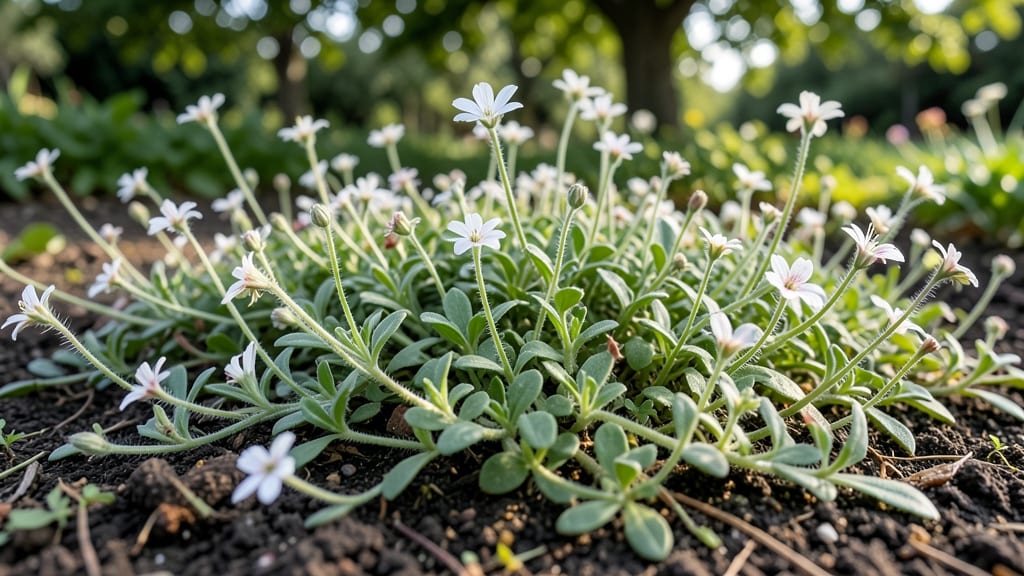
Common lawn chickweed turns your green carpet into a tangled mess faster than you can say "spring cleanup." 🌱 I've wrestled with it for years—until I discovered the 7-day reset that actually works without harsh chemicals. The secret lies in understanding its growth patterns and attacking it at the right time. This weed thrives in thin, compacted lawns where grass struggles. It spreads by seed and creeping stems, so pulling it by hand just makes it worse. My approach combines targeted removal with soil prep to starve it out permanently. No more patchy lawns or endless weeding battles. By the end of the week, you'll have a dense, weed-free lawn that crowds out chickweed naturally. The key is timing: act before it seeds, and you'll break the cycle for good. I'll show you exactly how to do it without killing your grass. Bonus: chickweed isn't all bad—it's edible and attracts pollinators. But in your lawn? It's a nuisance that needs a swift, strategic takedown. Let's get started with the real solution.
Root Causes of Lawn Invasion
Common lawn chickweed—scientifically known as Stellaria media—isn’t just a random nuisance; it thrives because of specific conditions in your lawn. Understanding these triggers is the first step to reclaiming your grass. Let’s dig into the science behind its persistence.
Chickweed loves lawns with compacted, nutrient-poor, or overly moist soil. Here’s why:
- Low organic matter: Healthy lawns with rich compost or decomposed plant material crowd out weeds by providing strong competition. Chickweed, however, germinates easily in bare or thin soil where nutrients are scarce.
- High clay or sand content: Compacted clay or sandy soils struggle to retain moisture and air properly. Chickweed’s shallow roots thrive in these conditions because they don’t need deep soil penetration.
- pH imbalance: Soil with a pH below 6.0 (too acidic) or above 7.5 (too alkaline) weakens grass roots, leaving gaps for chickweed to exploit. Ideal lawn pH is 6.0–7.0.
Actionable fix: Conduct a soil test (available at garden centers) and amend with compost, peat moss, or lime/sulfur to balance pH and improve structure.
Chickweed is a sun-seeker that germinates in areas where grass struggles to grow. Its thin, sprawling stems can outcompete weak grass in:
- Partial shade: Dappled sunlight (e.g., under trees) reduces grass growth, creating bare patches where chickweed takes hold.
- Foot traffic zones: High-traffic areas compact soil, smothering grass roots and inviting chickweed.
- Newly seeded lawns: Young grass is vulnerable until it establishes a thick canopy (typically 3–4 weeks). Chickweed seeds germinate quickly in these gaps.
Actionable fix: Overseed thin areas with shade-tolerant grass varieties like fine fescue or creeping red fescue. For foot traffic zones, reinforce with Kentucky bluegrass, which recovers faster.
Chickweed adores moisture—so much that it can dominate lawns with:
- Frequent light watering: Shallow, daily watering keeps the topsoil damp, perfect for chickweed’s rapid germination (seeds sprout in 5–10 days in ideal conditions).
- Poor drainage: Low-lying or clay-heavy areas that stay soggy after rain create a chickweed paradise. Its succulent stems retain water, giving it an edge over drought-sensitive grass.
- Irrigation overspray: Sprinklers that wet sidewalks or driveways can deposit chickweed seeds from neighboring properties into your lawn.
Actionable fix:
- Water deeply 2–3 times per week (early morning) to encourage deep grass roots.
- Improve drainage with sand or gypsum in compacted areas.
- Adjust sprinkler heads to avoid overspray.
Chickweed isn’t just persistent—it’s opportunistic. Its survival strategies include:
- Massive seed production: A single plant can release 1,500–16,000 seeds per season! These seeds lie dormant in the soil for up to 5 years, waiting for the right conditions to sprout.
- Vegetative spread: Chickweed’s stems root at nodes where they touch the soil, creating new plants from existing ones—a process called stolonization.
- Wind and water dispersal: Seeds hitch rides on breezes or attach to shoes, mowers, and pets, colonizing new areas effortlessly.
Actionable fix:
- Remove chickweed before it seeds (pull when stems are 2–4 inches tall).
- Sanitize mower blades and tools with a 10% bleach solution to prevent seed transfer.
- Mulch grass clippings to smother dormant seeds.
Chickweed peaks in early spring and fall—the same times when cool-season grasses like ryegrass and fescue are slow to green up. Here’s the breakdown:
| Season | Grass Behavior | Chickweed Advantage |
|---|---|---|
| Spring | Grass awakens slowly after winter dormancy. | Chickweed germinates in 5–7 days at 50°F+, outpacing grass growth. |
| Fall | Grass growth slows as temps drop. | Chickweed thrives in cool, moist conditions, while grass weakens. |
Actionable fix: Preempt chickweed by overseeding in early spring (March–April) and fall (September–October) to thicken grass before chickweed gets a foothold.
Quick Fixes for Stubborn Lawn Weeds
Got an unsightly patch of common lawn chickweed ruining your green space? Don’t stress—these targeted solutions will help you reclaim your yard in no time. Below, we break down the best fixes based on the root cause of your weed problem, from overwatering to poor soil health.
Each method is practical, easy to follow, and designed to give you visible results fast.
If your lawn stays soggy or gets waterlogged after rain, chickweed thrives in these damp conditions. Here’s how to dry it out and prevent regrowth:
- 🍳 Reduce Watering Frequency Water deeply but less often—aim for 1–1.5 inches per week (including rainfall). Early morning is best to let moisture evaporate before evening.
- 👨🍳 Improve Soil Drainage If your yard has compacted soil, aerate in early fall or spring using a core aerator. For clay-heavy soil, mix in compost or sand to loosen it up.
- ⏰ Rake Away Weeds After Rain Chickweed spreads quickly in wet conditions. Grab a rake and pull out clumps before they seed—this stops them from taking over.
💡 Pro Tip: Install a French drain or swales (shallow trenches) in low-lying areas to redirect excess water away from your lawn.
Weeds sneak in where grass is weak. If your lawn has bare spots or sparse growth, give it a boost with these steps:
- 🔪 Overseed Bare Patches Choose fast-growing grass seed (like perennial ryegrass) and spread it over thin areas in early fall. Keep soil moist until germination (about 10–14 days).
- 🥘 Apply a Pre-Emergent Herbicide (Strategically!) Use a pre-emergent like corn gluten meal before chickweed seeds sprout (typically in early spring or late summer). Avoid post-emergent sprays if you plan to overseed soon—they can harm new grass.
- 🎯 Boost Soil Health with Fertilizer Test your soil first, but most lawns benefit from a balanced 10-10-10 or slow-release fertilizer in early spring. Chickweed hates competition—thick grass crowds it out!
✨ Bonus: Top-dress with 1–2 inches of compost to improve soil structure and grass density naturally.
For stubborn chickweed patches, a targeted herbicide can speed up removal. Here’s how to do it safely:
| Method | Best For | How to Apply | Safety Tips |
|---|---|---|---|
| Spot-Treat with Vinegar | Small patches (organic option) | Mix 1 gallon white vinegar + 1 oz dish soap. Spray directly on weeds (avoid grass). Reapply every 3–4 days. | Test on a small grass area first—vinegar can burn. |
| Selective Herbicide | Large infestations (synthetic) | Use 2,4-D or dicamba-based herbicides labeled for broadleaf weeds. Follow package rates. | Apply on calm, dry days to avoid drift onto desirable plants. |
| Post-Emergent Spray | Active chickweed growth | Spray when weeds are young and green (avoid overseeding after treatment). | Wear gloves and avoid windy conditions. |
🌡️ Warning: Herbicides work best when chickweed is small and actively growing. Wait for warm, sunny days to maximize effectiveness.
Once you’ve tackled the chickweed, lock in your progress with these long-term strategies:
- 📊 Mow High & Regularly Keep grass at 3–4 inches tall—taller grass shades out weeds and crowds them out.
- 💪 Dethatch Annually If your lawn has a thick thatch layer (over ½ inch), rent a dethatcher to remove dead grass buildup, which chickweed loves.
- 🍎 Mulch Garden Borders If chickweed creeps into garden edges, apply 2–3 inches of mulch (wood chips or straw) to block sunlight and seeds.
- 🎯 Stay Vigilant Pull new chickweed sprouts by hand (they’re easy to remove when young). A quick weekly check prevents small problems from becoming big ones.
🔥 Final Tip: If your lawn is chronically weed-prone, consider a professional soil test—pH imbalances (too acidic or alkaline) can weaken grass and invite weeds.
Frequently asked questions about common lawn chickweed
Why does chickweed spread so quickly in my lawn?
Chickweed thrives because it produces 1,500-16,000 seeds per plant that stay dormant for up to 5 years! Its stems also root at nodes, creating new plants when they touch soil. The combination of rapid seed production and vegetative spread makes it a lawn takeover specialist.
Is chickweed harmful to my grass?
Not directly, but it competes aggressively for nutrients, water, and sunlight. When chickweed dominates, it weakens grass by blocking sunlight and depleting soil resources. A thick lawn crowds out chickweed naturally, so prevention is key.
Can I use vinegar to kill chickweed without harming my grass?
Vinegar works best for spot treatment on small patches, but it can damage grass if not applied carefully. Use a 1:1 vinegar-water mix with 1 oz dish soap as a surfactant, and apply only to weeds—not grass. For large areas, a selective herbicide is safer.
How can I prevent chickweed from coming back next year?
Focus on soil health and grass density: Overseed thin areas in fall, mow at 3-4 inches, and aerate compacted soil. Apply corn gluten meal in early spring as a natural pre-emergent. Regular maintenance crowds out chickweed before it gets established.
Does chickweed have any benefits I should know about?
Yes! Chickweed is edible (high in vitamins A and C) and attracts pollinators. It's also used in herbal remedies for skin irritations. While it's a nuisance in lawns, it can be repurposed in gardens or composted to return nutrients to the soil.