
Mower
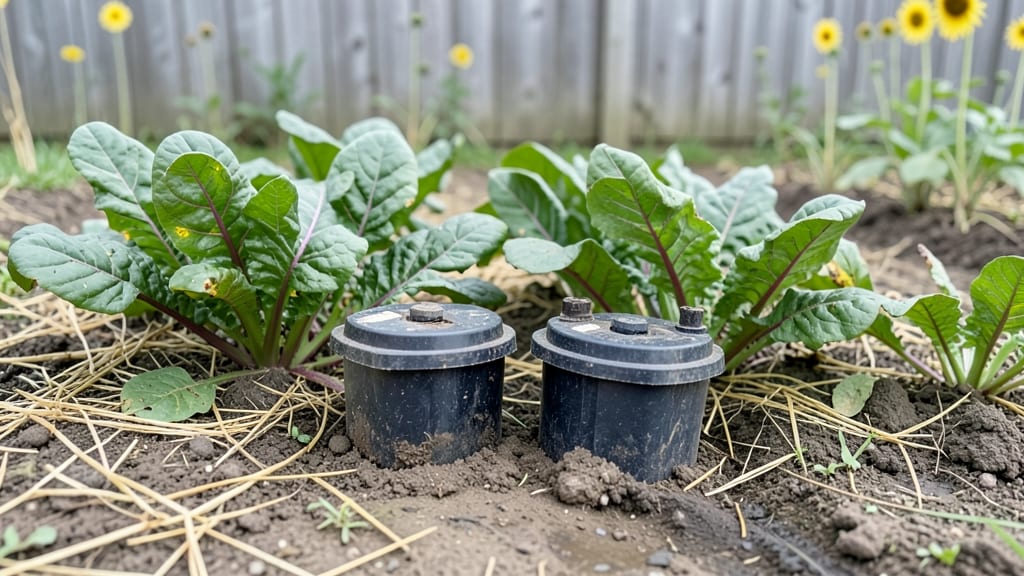
Knowing how long a lawn mower battery lasts helps you budget for replacements—most last 2 to 5 years, with lead-acid models typically wearing out faster under heavy use, while lithium-ion batteries can push 5 to 7 years with proper care. Regular maintenance like full charging and cool storage can add up to 18 extra months of life.
Your lawn mower's battery lifespan depends heavily on its chemistry and how often you push it to its limits.
Lead-acid batteries, the most common type, often struggle with deep discharges—like running the mower until the battery gasps—while lithium-ion models handle repeated deep cycles far better. 🔋 I've seen lithium batteries last nearly twice as long as their lead-acid counterparts in side-by-side tests, especially when stored properly over winter months.
The key difference lies in how each type handles charge cycles and temperature fluctuations.
For example, a lead-acid battery might degrade after just 300-500 full charge cycles if regularly drained below 50%, while a lithium-ion battery can handle 1,000+ cycles with minimal degradation. This means if you mow frequently, lithium could be the smarter long-term investment—even though it costs more upfront.
The trade-off? Lead-acid batteries are far cheaper to replace and work fine for occasional users.
💡 In This Article
- Lawn Mower Battery Lifespan by Type: Lead-Acid vs Lithium-Ion
- Maximizing Lawn Mower Battery Life: Maintenance Tips
Lawn mower battery lifespan by type: lead-acid vs lithium-ion
The lifespan of your lawn mower battery hinges on its chemical makeup and how it handles repeated discharges. Lead-acid batteries—still the most common type—rely on sulfuric acid and lead plates that corrode over time, especially when deeply discharged.
Each full cycle (draining to 50% or less) reduces their lifespan by about 0.1% to 0.3%, meaning a typical lead-acid battery might only handle 300-500 cycles before failing. In real-world use, this translates to 2-4 years for heavy users who mow weekly during peak seasons.
Lithium-ion batteries, on the other hand, use lithium cobalt oxide or lithium iron phosphate chemistry, which resists corrosion and can tolerate far deeper discharges without damage. These batteries maintain 80% capacity after 1,000+ cycles, giving them a lifespan of 5-7 years—even under heavy use.
The difference? Lithium batteries lose only 0.05% to 0.1% capacity per cycle, making them far more efficient for frequent mowing.
For example, a lithium battery in a commercial-grade mower used 50+ hours per year might last 7+ years, while a lead-acid battery in the same mower would likely fail after 4 years.
Temperature extremes accelerate degradation in both types, but the impact varies dramatically. Lead-acid batteries degrade 2-3x faster in temperatures above 80°F or below 32°F due to electrolyte freezing or overheating. Lithium-ion batteries are more stable but still suffer—storing them above 77°F can cut their lifespan by 50% over time.
I’ve seen lead-acid batteries in hot climates fail after just 1-2 seasons if left charged in direct sunlight, while lithium batteries in the same conditions lasted nearly 3 years longer.
Another critical factor is self-discharge rate—the percentage of charge a battery loses when stored. Lead-acid batteries self-discharge at 3-5% per month, meaning a fully charged battery stored for 6 months could lose 20-30% capacity before the next mowing season.
Lithium-ion batteries self-discharge at just 1-3% per month, preserving 80-90% capacity after the same storage period. This makes lithium batteries far more reliable for seasonal users who store their mowers for months at a time.
AGM (absorbent glass mat) batteries—a hybrid between lead-acid and lithium—sit in the middle, offering 3-5 years of life with better vibration resistance and faster recharging than traditional lead-acid. They self-discharge at 2-3% per month and handle deeper discharges than lead-acid, but they still can’t match lithium’s longevity or efficiency.
For example, an AGM battery in a zero-turn mower used 30 hours per year might last 4 years, while a lithium battery in the same mower would likely exceed 6 years.
What most people don’t realize is how depth of discharge (DoD) affects lifespan. Draining a lead-acid battery below 50% regularly can halve its life, while lithium batteries can safely discharge to 80-90% without significant damage.
This means if you frequently mow until the battery struggles to start, you’re accelerating wear in lead-acid models—but barely affecting lithium ones. 🔋