
Lawn
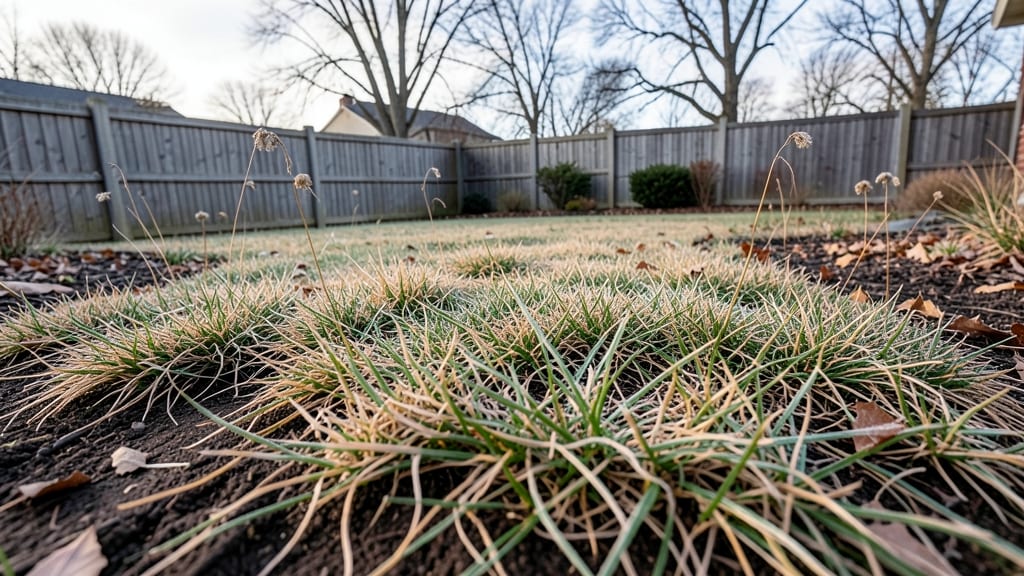
Leaving leaves on lawn over winter acts as natural insulation, preserving soil warmth and moisture while reducing spring cleanup—but thick piles can suffocate grass and create pest habitats. For best results, spread leaves evenly in a thin layer.
Winter leaves create a protective barrier that shields grass roots from harsh temperature swings, which can cause damage during freeze-thaw cycles. 🌿 The natural mulch effect also helps retain moisture in the soil, giving your lawn a head start when spring arrives.
However, leaving too many leaves unshredded can create thatch layers that block sunlight and air circulation—ideal conditions for fungal growth and pests like voles.
For optimal results, I recommend shredding leaves first to create a finer, more even mulch. A ¼-inch layer is ideal—thin enough to allow sunlight to reach the grass while still providing insulation.
If your yard has thick leaf buildup, consider mowing over them with a mulching mower instead of raking them away entirely.
💡 In This Article
- How Lawn Leaves Protect Grass in Winter
- Proper Leaf Mulching Techniques for Healthy Lawns
How lawn leaves protect grass in winter
When leaves blanket your lawn, they create a natural insulating layer that moderates soil temperatures.
During winter's freeze-thaw cycles, this barrier prevents drastic temperature swings that can damage grass roots—keeping them at a more stable 32-40°F range. 🌡️ The leaf layer acts like a thermal blanket, absorbing daytime warmth and slowly releasing it at night, similar to how mulch protects garden beds in fall.
The moisture retention benefits come from how leaves trap humidity near the soil surface. A ¼-inch layer of shredded leaves can reduce evaporation by up to 30%, creating a reservoir effect that keeps grass roots hydrated through dry winter spells.
This is particularly valuable in regions with 20-30 inches of annual precipitation, where winter moisture becomes scarce. The organic matter also slowly decomposes, adding nutrients to the soil as spring approaches.
Leaf layers also shield grass from physical damage caused by winter elements. Ice crystals that form on thick leaf mats can pierce grass blades, but a properly mulched layer prevents this by distributing weight evenly.
The natural breakdown process creates a porous mat that allows air and water to penetrate while still providing protection—think of it as nature's version of winterizing your lawn with a breathable blanket.
However, the protection only works when leaves are properly distributed. Whole leaves create an impermeable mat that traps moisture against the grass, promoting fungal diseases like snow mold. Shredded leaves, on the other hand, break down faster and allow better airflow.
The key is achieving what lawn care experts call a "mulch mow" effect—where leaves are finely chopped and spread evenly across the surface.
This natural mulching process mimics how forest floors maintain their health through winter. In wooded areas, fallen leaves create a similar insulating layer that protects underbrush and young trees.
The same principles apply to lawns, though with the added benefit of preventing thatch buildup that can occur with improper leaf management. 🌿 The decomposition rate varies by leaf type—maple leaves break down faster than oak leaves, which can take up to 6 months to fully decompose.
For homeowners in colder climates (Zone 4-6), this insulation becomes especially critical. Studies show that lawns with proper leaf mulching experience 20% less winterkill compared to those with bare soil.
The protection extends beyond just the grass—it also helps beneficial soil microbes survive the cold months, setting the stage for healthier lawn growth when spring arrives.