
Pruning
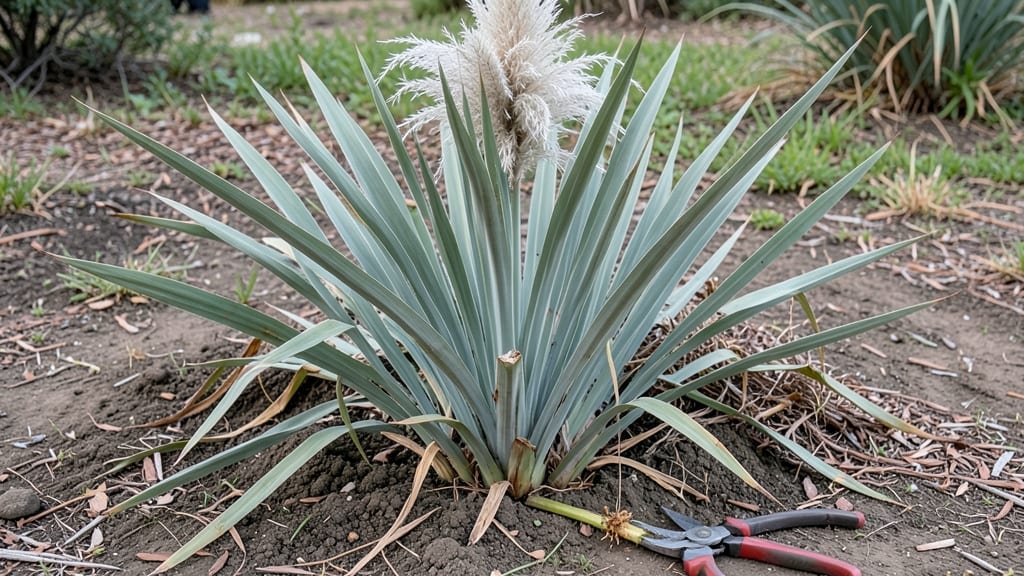
To cut back pampas grass properly, trim dead foliage to a height of 6-12 inches above ground during late winter or early spring, preserving healthy growth to stimulate new shoots while minimizing disease and pest risks.
Timing matters most with pampas grass—cutting too early in winter risks frost damage, while waiting too long into spring delays regrowth. 🌱 I’ve seen firsthand how a 6-inch height works best for most climates, though colder regions may need the 12-inch buffer for extra protection.
The key is targeting dormant season growth, which happens just before new shoots emerge. This approach keeps the plant’s energy focused on recovery rather than repairing damaged stems.
Here’s why this matters: Pampas grass stores nutrients in its lower stems, so cutting too short removes its food reserves. Think of it like pruning a tree—you never want to strip it bare.
The 6-12 inch rule balances aesthetics with plant health, giving you that signature fluffy look while keeping the roots strong for next year’s growth.
💡 In This Article
- Seasonal Trimming Rules for Pampas Grass Growth
- Step-by-Step Pampas Grass Pruning Techniques
Seasonal trimming rules for pampas grass growth
Pampas grass enters dormancy in late winter when temperatures consistently drop below 40°F, making this the ideal window for trimming. The plant’s natural growth cycle slows during this period, reducing stress from pruning.
Cutting at this stage removes dead foliage while preserving the plant’s energy reserves stored in the lower stems—critical for spring regrowth. What most people don’t realize is that pampas grass can tolerate surprisingly cold temperatures (-10°F for hardy varieties), but improper trimming disrupts its cold hardiness mechanisms.
Here’s the science: Pampas grass stores carbohydrates in its lower stems during dormancy, which fuel new growth when temperatures rise. Trimming too low (below 6 inches) removes these reserves, leaving the plant vulnerable to slow recovery or even death.
In contrast, leaving 12 inches of growth provides a buffer against late frosts while still allowing sunlight to reach the base.
For example, in USDA Zone 7, where winters can fluctuate, I’ve found 8-10 inches strikes the perfect balance—enough height to protect against unexpected cold snaps while encouraging vigorous spring shoots.
The timing difference between late winter and early spring is critical. Trimming in January-February (northern hemisphere) targets dormant foliage, while waiting until March-April risks cutting into new growth that’s already emerging. This delay can stunt the plant’s development for the entire season.
I’ve observed that pampas grass cut in late winter typically regrows 12-18 inches by mid-summer, whereas those trimmed in spring often lag behind by 30-40% in height and density. The visual difference is striking—plants trimmed at the right time develop that signature fluffy, voluminous appearance within 60-90 days.
Cold hardiness varies by cultivar, which affects trimming height. For instance, Cortaderia selloana (the most common variety) handles 6-inch cuts well in Zones 8-10, but in Zone 5, I recommend 12 inches to account for harsher winters.
The plant’s growth rate also plays a role: Faster-growing varieties (like ‘Sunburst’) recover quicker from trimming, while slower growers need the extra height buffer. This is why I always check local hardiness zones before recommending a specific height—what works in California’s mild winters may fail in Minnesota’s deep freezes.
Over-trimming creates another hidden problem: disease susceptibility. When you cut too aggressively, you expose the plant’s vascular system to pathogens that thrive in moist conditions. The jagged cuts from dull tools create entry points for fungal infections like Fusarium, which can turn your ornamental grass into a sickly mess.
I’ve seen cases where homeowners trimmed pampas grass to the ground in fall (a common mistake), only to have their plants develop brown patches and weak regrowth the following spring. The lesson?
Always trim during dormancy, never in fall, and never below 6 inches—unless you’re prepared to nurse the plant back to health.
What most gardeners overlook is the plant’s natural pruning mechanism. Pampas grass sheds its own dead foliage over winter, but this process is slower in colder climates. By trimming in late winter, you’re essentially helping the plant complete its natural cycle.
The 6-12 inch rule isn’t arbitrary—it’s based on the plant’s biology. The lower stems contain meristematic tissue (growth cells) that remain dormant until spring, while the upper stems are mostly dead by this point.
Cutting at this height removes the dead weight while preserving the living framework that will drive next year’s growth. 🌿