
Pests
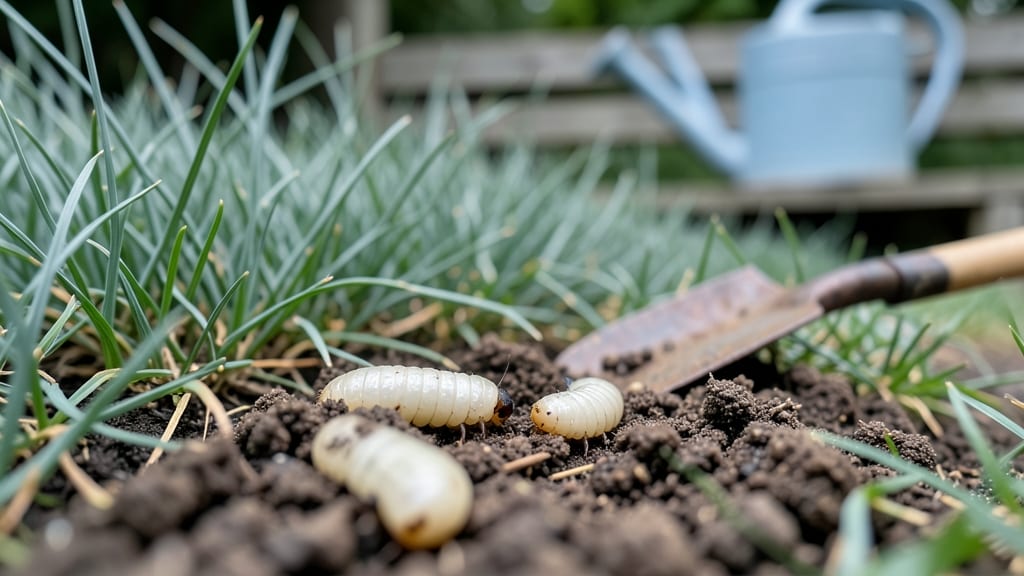
Grub worms in grass turn lush lawns into patchy brown wastelands faster than you can say "lawn care fail." 🌱 I’ve watched healthy grass crumble under their attack, but I’ve also learned how to kick them out naturally—without harsh chemicals that harm kids, pets, or the soil.
The key is understanding their life cycle and hitting them at the right time.
These white, C-shaped grubs munch on grass roots, leaving behind irregular brown patches that don’t recover even when you water. The worst part? They thrive in moist soil, so summer storms make your lawn their all-you-can-eat buffet.
But here’s the good news: birds, nematodes, and even milky spore bacteria are their natural enemies—and they’re easier to work with than you’d think.
By late summer, you can dethatch and handpick grubs from the top few inches of soil, or use organic nematodes to let nature handle the cleanup.
The results? Thicker grass roots within weeks, and a lawn that stays green without the chemical aftertaste. No more guessing—just actionable steps that actually work.
Works for any grass type, from Kentucky bluegrass to fescue, and fits into a weekend plan. Let’s get those grubs out for good—without the chemical cleanup crew.
Root Causes Of Lawn Grubs
Grub worms—those C-shaped, white larvae of beetles—can turn your lush green lawn into a patchy, brown wasteland if left unchecked. Understanding why they invade is the first step to stopping them naturally.
Below, we break down the science-backed reasons behind their presence, so you can target the real issues in your yard.
🌱 Overwatered or Over-Fertilized Grass
Grubs thrive in moist, nutrient-rich soil—conditions often created by excessive watering or over-fertilization. Here’s how it works:
- Moisture Magnet: Grubs need damp soil to survive. If your lawn stays soggy (especially after late afternoon watering), it signals beetles to lay eggs nearby. Pro Tip: Water deeply but infrequently—early morning is best—to let soil dry between sessions.
- Fertilizer Feast: Nitrogen-heavy fertilizers (like quick-release options) create a buffet for grubs. They munch on decomposing organic matter and roots, which flourish when excess fertilizer is present. Solution: Switch to slow-release, organic fertilizers (e.g., compost or manure-based) to reduce grub appeal.
- Thatch Buildup: A thick thatch layer (dead grass and roots) traps moisture and organic debris—grub hotspots. Action Step: Dethatch annually with a rake or vertical mower to disrupt their habitat.
🌙 Beetle Activity Peaks
Grubs don’t appear out of nowhere—they’re the offspring of Japanese beetles, June bugs, or European chafer beetles, which lay eggs in your lawn during warm months. Their lifecycle is highly predictable:
- Timing Matters: Beetles emerge in late spring to early summer (May–July in most regions) to mate and lay eggs. Eggs hatch in 2–4 weeks, releasing grubs that feed for 6–8 weeks before pupating. 🎯 Pro Tip: Monitor beetle activity in nearby trees/flowers—they’ll fly to your lawn to lay eggs.
- Nighttime Raiders: Adult beetles are most active at dusk, so yellow bucket traps (filled with soapy water) placed near affected areas can reduce egg-laying.
🍂 Poor Lawn Health & Weak Roots
Stressed grass is grub bait. When roots are shallow or damaged (from drought, disease, or compacted soil), grubs have easy access to tender shoots. Key triggers:
- Drought Stress: Underwatered grass weakens, making it 3x more vulnerable to grub damage. Fix: Test soil moisture—top 2–3 inches should dry slightly between waterings.
- Compacted Soil: Heavy foot traffic or clay soil smothers roots, forcing grass to seek nutrients from surface organic matter—grub favorite food. Solution: Aerate in fall to loosen soil and encourage deep roots.
- Disease or Fungus: Fungal infections (like brown patch) create rotting grass, which grubs devour. Prevent: Improve airflow with proper mowing height (3–4 inches) and avoid nighttime watering.
🌿 Natural Lawn Alternatives Attract Them
Grubs prefer soft, young grass over tough, mature turf. If your lawn includes:
- Newly Sodded Areas: Fresh sod is a grub buffet until roots establish (takes 4–6 weeks). ✨ Solution: Apply nematodes (beneficial worms) to the soil before laying sod.
- Weak or Thin Grass: Bare spots or cool-season grasses (like Kentucky bluegrass) are grub magnets. Upgrade: Overseed with grub-resistant varieties like tall fescue or perennial ryegrass.
- Organic Mulch Piles: Leaves, grass clippings, or wood chips near the lawn hide beetles and provide egg-laying sites. Action: Keep mulch 10+ feet away from turf edges.
🌍 Climate & Regional Factors
Grubs are opportunistic, but certain climates accelerate their lifecycle:
- Warm, Humid Summers: Regions like the Midwest, Southeast, and Pacific Northwest see explosive grub populations due to ideal moisture and heat. 💡 Tip: In these areas, early detection (digging up grubs in July–August) is critical.
- Mild Winters: Grubs in southern states may survive winter as larvae, leading to year-round damage. Strategy: Encourage beneficial predators (birds, toads) by leaving leaf litter in fall.
Key Takeaway: Grubs exploit weaknesses in your lawn’s ecosystem—moisture, nutrients, and stress. By addressing these root causes proactively, you can starve them out before they become a full-blown infestation. Next, we’ll cover natural elimination methods that disrupt their lifecycle without chemicals.
Natural Ways to Eliminate Grubs
Grubs—those squirming white larvae of beetles—can turn your lush lawn into a patchy, brown mess if left unchecked. The good news? You can tackle them without harsh chemicals, using targeted, eco-friendly methods.
Below, we break down the best solutions based on the root cause of your grub problem, plus prevention tips to keep your grass healthy long-term.
🔥 Identify the Problem First
Before diving into fixes, confirm you’re dealing with grubs (not other pests like chinch bugs or fungal issues). Dig up a small patch of sod—if you see C-shaped white larvae (1/2" to 1" long), you’ve got grubs.
If the soil smells sour or feels spongy, fungi or other pests may be at play.
🍳 Step-by-Step Elimination Methods
1. 👨🍳 Milky Spore for Long-Term Control
Best for: Japanese beetle grubs (most common in lawns). How it works: This natural bacteria (Bacillus popilliae) infects grubs, killing them over time. It’s organic, safe for pets/kids, and builds up in your soil year after year.
- Apply in early summer (when grubs are young) or late summer (when they’re hatching).
- Spread milky spore powder evenly over the lawn with a broadcast spreader (follow label rates—typically 1–2 lbs per 1,000 sq ft).
- Water lightly to help it sink into the soil.
- Repeat annually for 2–3 years to establish a strong presence in your lawn.
✨ Pro Tip: Mix milky spore with compost or topsoil before spreading for better adhesion.
2. 🥘 Beneficial Nematodes: Microscopic Allies
Best for: All grub species (including June beetle and European chafer grubs). How it works: These tiny worms (Heterorhabditis bacteriophora) inject bacteria into grubs, paralyzing and killing them within 48 hours.
- Apply in early morning or late evening (they’re sensitive to sunlight).
- Mix with water (follow package instructions—usually 1–5 million nematodes per gallon).
- Water the lawn deeply before and after application to help them move through the soil.
- Reapply every 4–6 weeks during grub season (spring/fall).
💡 Pro Tip: Avoid applying nematodes if temps are above 85°F—they’ll die in heat.
3. 🔪 Hand-Picking & Raking (For Small Lawns)
Best for: Early infestations or spot treatments. How it works: Grubs live in the top 2–4 inches of soil. If your lawn is small (under 5,000 sq ft), you can manually remove them.
- Water the lawn deeply the night before to soften the soil.
- Dig up small sections (6" x 6" squares) with a shovel or trowel.
- Sift through the soil with your hands or a fine mesh screen to find grubs.
- Drop them in soapy water (1 tsp dish soap per gallon) to kill them instantly.
- Reseed or patch bare spots with grass seed and topsoil.
⏰ Best Time: Late summer/early fall when grubs are near the surface.
4. 🌡️ Encourage Natural Predators
Best for: Preventing future infestations while controlling current ones. Grubs have natural enemies—attract them to your yard!
- Birds (robins, skunks, moles): Leave shallow water dishes or bird feeders to lure them in.
- Toads & Ground Beetles: Create a toad house (upside-down clay pot with pebbles) in shady areas.
- Chickens or Ducks: If you have a coop, let them free-range on the lawn (they’ll gobble up grubs like snacks!).
🎯 Bonus: Avoid overwatering—grubs thrive in soggy soil, and predators prefer drier conditions.
5. 🌱 Adjust Watering & Mowing Habits
Grubs love overwatered, weak grass. Fixing your lawn care routine can starve them out!
- Water deeply but less often (1–1.5 inches per week) to encourage deep roots, making grass tougher.
- Mow high (3–4 inches) to shade out weeds and stress grubs (they prefer thin, weak grass).
- Aerate your lawn in late summer/early fall to improve soil oxygen, which grubs hate.
🚫 Prevention Tips to Keep Grubs Away
Once you’ve eliminated grubs, stop them from coming back with these habits:
- 💡 Use nematodes or milky spore annually as a preventive measure.
- 🌿 Plant grub-resistant grasses like tall fescue, Kentucky bluegrass, or ryegrass.
- 🍂 Rake up beetle eggs in late spring/early summer (adult beetles lay eggs in grass blades).
- 🔄 Rotate lawn treatments—don’t rely on one method forever (grubs can build resistance).
- 🌱 Overseed bare spots in fall to crowd out grubs before they hatch.
⚠️ When to Call a Pro
If your lawn is over 50% damaged, grubs are deep in the soil, or you’ve tried natural methods without success, consider hiring a local organic pest control service. They can assess the severity and apply targeted treatments like beneficial fungi (Beauveria bassiana) or compost tea.
Final Thought: Grubs don’t stand a chance against a well-armed, eco-friendly lawn. With patience and consistency, you’ll reclaim your green space—naturally. 🌱💪
Frequently asked questions
How do I know if my grass damage is from grubs and not another problem?
Look for irregular brown patches that pull up easily like a carpet, revealing white, C-shaped grubs. If the grass feels spongy when you walk on it, that’s a classic sign. Unlike fungal issues, grub damage often appears in random spots rather than circular patterns. Dig up a small section—if you see 5+ grubs per square foot, you’ve got an infestation.
Can I use nematodes if I have pets or kids?
Beneficial nematodes are completely safe for pets and children once applied. They only target grubs and other soil pests, not humans or animals. Just avoid applying them when kids or pets are playing on the lawn, and water lightly afterward to help them move into the soil.
What’s the best time of year to treat grub worms?
Target treatments in late summer (August-September) when grubs are young and near the surface, or in early spring (April-May) before they cause major damage. Avoid treating in extreme heat—nematodes and milky spore work best in 60-85°F soil temperatures.
Will milky spore work on my first try?
Milky spore builds up in your soil over time, so you’ll likely see gradual improvement rather than instant results. Most homeowners report noticeable reductions after 2-3 years of annual applications. For faster action, combine it with nematodes during the first year.
How do I keep birds from eating my grass seed after treating grubs?
Use bird netting or temporarily remove bird feeders while overseeding. Sprinkle coarse sand over newly seeded areas—birds dislike the texture. For persistent problems, try deer-resistant grass varieties like tall fescue, which birds find less appealing.